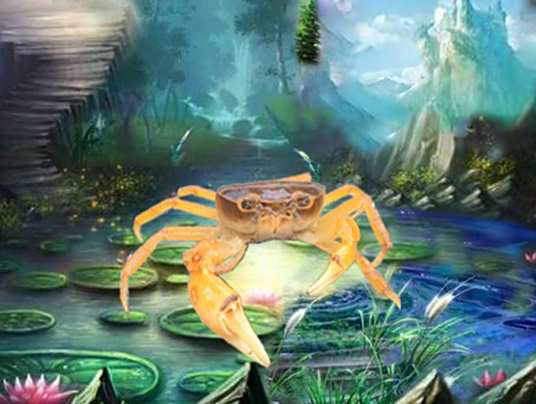
修仙世界里最可靠的关系
韩立一生遇人无数。有合作过的盟友(南陇侯),有暗恋过他的女修(墨彩环),有亦师亦友的残魂(大衍神君),有相知相守的道侣(南宫婉)。
但如果问:韩立最信任谁?
答案可能出乎意料——蟹道人。
不是因为蟹道人最懂韩立,也不是因为两人有多深厚的感情。恰恰相反,韩立信任蟹道人,正是因为他们之间的关系不需要感情来维系。
蟹道人的忠诚来自契约,而契约——在韩立看来——比感情靠谱得多。
契约忠诚 vs 感情忠诚
修仙世界里的人际关系,大致可以分为两种模式:
感情驱动型——基于好感、恩情、共同经历而产生的羁绊。南宫婉对韩立,紫灵对韩立,韩立的某些师兄弟,都属于这一类。这类关系温暖、动人,但也脆弱——感情会变淡,恩情会被遗忘,共同经历的记忆会随时间褪色。
契约驱动型——基于明确的利益交换或权力结构而维持的关系。蟹道人与韩立,就是这一类的典范。
在现实世界的道德体系中,我们通常认为感情驱动的关系更"高级"、更"真诚"。但在修仙世界的生存逻辑下,恰恰相反——契约关系反而更稳定。
为什么?因为契约关系有明确的边界和预期。双方都知道自己应该做什么、能期望对方做到什么。没有灰色地带,没有隐性期望,没有"我以为你会为我做这个"的失望。
韩立一生中最痛苦的人际关系经历,几乎都来自感情的背叛或错位。墨居仁的伪善,南陇侯的贪婪,紫灵的一厢情愿——这些都是感情关系中"边界模糊"导致的悲剧。
蟹道人不会给韩立带来这种困扰。 因为两人之间的规则从一开始就是清晰的。
蟹道人的前世今生
蟹道人的来历颇为传奇。他并非天生就是韩立的仆从——在被韩立收服之前,他是一只修炼有成的上古蟹妖,拥有可观的修为和战斗力。
被韩立收服的过程,本质上是一次实力博弈。韩立凭借自身的修为和手段将其制服,蟹道人在衡量了反抗的代价后选择了臣服。
这个起点很重要。它意味着蟹道人的忠诚不是出于崇拜或感恩,而是出于对现实的理性评估。他清楚地知道:跟着韩立,比对抗韩立,对自己更有利。
这种基于理性计算的忠诚,在修仙世界里反而是最坚固的。 因为只要韩立的实力保持在蟹道人之上(事实上一直如此),蟹道人就没有背叛的动机。这不需要感情来维持,不需要恩义来绑定,只需要一个简单的数学不等式:跟随 > 背叛。
战斗中的最佳搭档
蟹道人在战斗中的表现,是理解其角色价值的关键。
作为韩立的战斗伙伴,蟹道人的最大优势不是绝对实力——韩立手下不乏实力更强的灵兽和傀儡。蟹道人的真正价值在于可靠性。
在战斗中,韩立需要的不是一个会自作主张的天才战士,而是一个能严格执行命令的可靠帮手。蟹道人完美地满足了这个需求。他不会在关键时刻临阵退缩,不会出于私利做出违背韩立利益的判断,不会因为情绪波动而影响战斗表现。
他就像一把好用的武器——不需要你哄它、求它、跟它讲道理,只要你有能力挥舞它,它就会忠实地执行每一次劈砍。
这个比喻听起来不太好听,但在修仙世界的战斗环境中,这恰恰是最被需要的品质。
回想南陇侯在坠魔谷中的表现——那就是一个"有自己想法"的合作者在关键时刻失控的典型案例。蟹道人不会犯这种错误,因为他的行为模式不包含"独立野心"这个变量。
忠诚的层次
随着与韩立相处时间的增长,蟹道人的忠诚模式发生了微妙但重要的变化。
初期的忠诚是纯粹的契约服从——你比我强,我听你的。
中期的忠诚开始混入了习惯和依赖——长期跟随韩立,蟹道人的生存方式已经与韩立的存在深度绑定。这不是感情,而是一种路径依赖:离开韩立之后,他需要重新适应独立生存,这个成本太高了。
后期的忠诚中,隐约出现了某种接近认同的成分。蟹道人不仅是在服从韩立的命令,他似乎也开始理解(甚至部分认同)韩立的行事逻辑和价值取向。他不再只是一个执行者,而是成为了一个能在一定程度上"预判"韩立需求的协作者。
这种从服从到依赖到认同的演化,是忘语对"忠诚"这个概念最精妙的刻画之一。 它说明了一个深刻的道理:即便最初的动机是功利的,长时间的共处也会催生出超越功利的东西。
韩立为何需要一个"仆人"
从心理学的角度看,蟹道人的存在满足了韩立一个隐性需求:可控的人际关系。
韩立的核心心理特征是对失控的恐惧。他害怕不可预测的事物——不可预测的敌人、不可预测的机缘、尤其是不可预测的人际关系。南宫婉的中毒让他焦虑,南陇侯的背叛让他警惕,紫灵的深情让他不安。这些关系之所以让他不舒服,都是因为它们包含太多不可控的变量。
蟹道人提供了一种完全不同的体验:一段可预测的关系。
韩立知道蟹道人会做什么——执行命令。韩立知道蟹道人不会做什么——背叛。韩立知道蟹道人想要什么——安全和修炼资源。这种透明感让韩立能够放下一部分防备,将更多的注意力集中在真正重要的事情上。
在某种意义上,蟹道人是韩立的一剂安定药。在一个充满不确定性的世界里,至少有一段关系是确定的。
超越契约的那一刻
尽管我一直在强调蟹道人忠诚的契约性质,但忘语在写作中埋入了一些微妙的暗示:蟹道人对韩立的情感,可能已经在某些时刻超越了纯粹的契约。
在某些危急关头,蟹道人表现出的保护欲和急切,超出了"契约义务"的范畴。一个纯粹的契约忠诚者会冷静地评估风险,在风险过大时选择保全自己(毕竟契约的前提是双方都存在)。但蟹道人在一些场景中的反应,更接近一种本能的守护——他不是在"执行保护韩立的命令",而是在"保护他想保护的人"。
这种微妙的转变,是蟹道人这个角色最动人的地方。
它说明了即使是最功利的起点,也可能生长出真实的情感。不是文学作品中常见的那种轰轰烈烈的感情宣言,而是一种沉默的、行动化的、甚至连当事人自己都没有意识到的牵挂。
结语:忠诚的本质
蟹道人的故事引发了一个关于忠诚本质的思考:什么样的忠诚更有价值?
是出于爱情的忠贞?出于感恩的报答?出于信仰的追随?还是出于理性计算的合作?
修仙世界的答案很清楚:不管忠诚的动机是什么,能维持到最后的忠诚就是好的忠诚。
蟹道人的忠诚从契约开始,在时间中生长,最终变成了一种复杂的、难以定义的联结。它不如南宫婉的爱情浪漫,不如紫灵的牺牲感人,不如大衍神君的师恩崇高。
但它最持久。
在韩立的修仙之路上,朋友来了又走,道侣聚了又散,师长生了又灭。蟹道人始终在那里——不是因为他想在那里,也不完全是因为他必须在那里,而是因为在所有可能的位置中,韩立身边已经成为他最自然的存在方式。
这或许就是忠诚最朴实的形态——不是选择,而是习惯。不是承诺,而是事实。
The Most Reliable Relationship in the Cultivation World
Han Li (韩立) encountered countless people in his lifetime. There were allies he cooperated with (Marquis Nanlong), female cultivators who secretly admired him (Mo Caihuan), a remnant soul who was both mentor and friend (Daoist Master Dayan), and a Dao companion who shared his heart (Nangong Wan).
But if you asked: Who does Han Li trust most?
The answer might surprise you — Crab Daoist (蟹道人).
Not because Crab Daoist understands Han Li best, nor because they share deep affection. Quite the opposite — Han Li trusts Crab Daoist precisely because their relationship doesn't need emotion to sustain it.
Crab Daoist's loyalty comes from contract, and contract — in Han Li's view — is far more reliable than feelings.
Contractual Loyalty vs. Emotional Loyalty
Interpersonal relationships in the cultivation world fall roughly into two models:
Emotion-driven — bonds arising from affection, gratitude, or shared experience. Nangong Wan's feelings for Han Li, Violet Spirit's devotion, certain of Han Li's martial brothers all belong here. These relationships are warm and moving, but also fragile — affection can fade, gratitude can be forgotten, memories of shared experiences can dim over time.
Contract-driven — relationships maintained through explicit interest exchange or power structures. Crab Daoist and Han Li exemplify this model.
In the real world's moral framework, we typically consider emotion-driven relationships more "elevated" and "sincere." But under the cultivation world's survival logic, the opposite is true — contractual relationships are actually more stable.
Why? Because contractual relationships have clear boundaries and expectations. Both parties know what they should do and what to expect from the other. No gray areas, no hidden expectations, no "I thought you'd do this for me" disappointments.
Nearly all of Han Li's most painful interpersonal experiences came from emotional betrayal or misalignment. Mo Juren's false kindness, Marquis Nanlong's greed, Violet Spirit's one-sided devotion — these were all tragedies caused by "blurred boundaries" in emotional relationships.
Crab Daoist will never cause Han Li this kind of trouble. Because the rules between them were clear from the start.
Crab Daoist's Past and Present
Crab Daoist's origins are quite legendary. He wasn't born as Han Li's servant — before being subdued by Han Li, he was an ancient crab demon who had achieved considerable cultivation and combat power.
The process of being subdued was essentially a contest of strength. Han Li overpowered him through cultivation and techniques, and Crab Daoist, after weighing the cost of resistance, chose submission.
This origin matters. It means Crab Daoist's loyalty doesn't come from worship or gratitude, but from a rational assessment of reality. He clearly understood: following Han Li was more beneficial than opposing Han Li.
This loyalty based on rational calculation is paradoxically the most solid in the cultivation world. As long as Han Li's strength remains above Crab Daoist's (which it consistently does), Crab Daoist has no motive for betrayal. This requires no emotion to maintain, no bonds of gratitude to enforce — just a simple mathematical inequality: following > betraying.
The Ideal Combat Partner
Crab Daoist's performance in battle is key to understanding his character value.
As Han Li's combat companion, Crab Daoist's greatest advantage isn't raw power — Han Li has spirit beasts and puppets that surpass him in that regard. Crab Daoist's true value lies in reliability.
In combat, what Han Li needs isn't an independently-minded genius warrior, but a dependable helper who strictly follows orders. Crab Daoist meets this requirement perfectly. He won't retreat at critical moments, won't make self-interested judgments contrary to Han Li's interests, and won't let emotional fluctuations affect his combat performance.
He's like a well-crafted weapon — you don't need to coax it, beg it, or reason with it. As long as you have the ability to wield it, it faithfully executes every strike.
This analogy sounds unflattering, but in the cultivation world's combat environment, this is precisely the most needed quality.
Recall Marquis Nanlong's performance in Devilfall Valley — a classic case of a collaborator with "his own ideas" losing control at the critical moment. Crab Daoist won't make that mistake, because his behavioral model doesn't include the variable of "independent ambition."
Layers of Loyalty
As his time with Han Li lengthened, Crab Daoist's loyalty model underwent subtle but important changes.
Early loyalty was pure contractual obedience — you're stronger than me, so I listen to you.
Mid-period loyalty began mixing in habit and dependence — after long service with Han Li, Crab Daoist's survival mode became deeply intertwined with Han Li's existence. This isn't emotion but path dependency: leaving Han Li would require readapting to independent survival, and that cost was too high.
Late-period loyalty showed hints of something approaching identification. Crab Daoist wasn't just obeying Han Li's commands anymore — he seemed to begin understanding (even partially agreeing with) Han Li's operating logic and values. He was no longer merely an executor but had become a collaborator who could, to some degree, "anticipate" Han Li's needs.
This evolution from obedience to dependence to identification is one of Wang Yu's most exquisite portrayals of the concept of "loyalty." It illustrates a profound truth: even the most utilitarian of starting points can, through prolonged coexistence, give rise to something transcending utility.
Why Han Li Needs a "Servant"
From a psychological perspective, Crab Daoist's existence fulfills a latent need in Han Li: controllable interpersonal relationships.
Han Li's core psychological trait is a fear of losing control. He fears unpredictable things — unpredictable enemies, unpredictable opportunities, and especially unpredictable relationships. Nangong Wan's poisoning made him anxious, Marquis Nanlong's betrayal made him wary, Violet Spirit's depth of feeling made him uneasy. These relationships made him uncomfortable because they contained too many uncontrollable variables.
Crab Daoist provided a completely different experience: a predictable relationship.
Han Li knows what Crab Daoist will do — follow orders. Han Li knows what Crab Daoist won't do — betray him. Han Li knows what Crab Daoist wants — safety and cultivation resources. This transparency lets Han Li lower some of his guard and focus more attention on what truly matters.
In a sense, Crab Daoist is Han Li's tranquilizer. In a world full of uncertainty, at least one relationship is certain.
The Moment Beyond Contract
Despite my emphasis on the contractual nature of Crab Daoist's loyalty, Wang Yu embedded subtle hints that Crab Daoist's feelings for Han Li may have transcended pure contract at certain moments.
At certain critical junctures, Crab Daoist displayed a protectiveness and urgency that exceeded the scope of "contractual duty." A purely contractual loyalist would calmly assess risk and choose self-preservation when risk grows too great (after all, the contract's premise is that both parties exist). But Crab Daoist's reactions in some scenes resembled instinctive guardianship — he wasn't "executing the order to protect Han Li" but "protecting someone he wants to protect."
This subtle shift is what makes Crab Daoist most moving as a character.
It demonstrates that even the most utilitarian of origins can give rise to genuine emotion. Not the grand emotional declarations common in literature, but a silent, action-based, perhaps even unconscious caring — one that not even the person himself fully realizes.
Closing: The Nature of Loyalty
Crab Daoist's story prompts reflection on the fundamental nature of loyalty: What kind of loyalty has the most value?
Is it romantic fidelity? Grateful repayment? Faithful following of a creed? Or rational cooperative partnership?
The cultivation world's answer is clear: regardless of what motivates the loyalty, the loyalty that endures to the end is good loyalty.
Crab Daoist's loyalty started with contract, grew through time, and ultimately became a complex, hard-to-define bond. It's not as romantic as Nangong Wan's love, not as moving as Violet Spirit's sacrifice, not as noble as Daoist Master Dayan's mentorship.
But it's the most enduring.
Throughout Han Li's cultivation journey, friends came and went, Dao companions gathered and scattered, mentors lived and died. Crab Daoist was always there — not because he wanted to be, not entirely because he had to be, but because among all possible positions, Han Li's side had become his most natural state of being.
Perhaps this is loyalty's most humble form — not a choice, but a habit. Not a promise, but a fact.