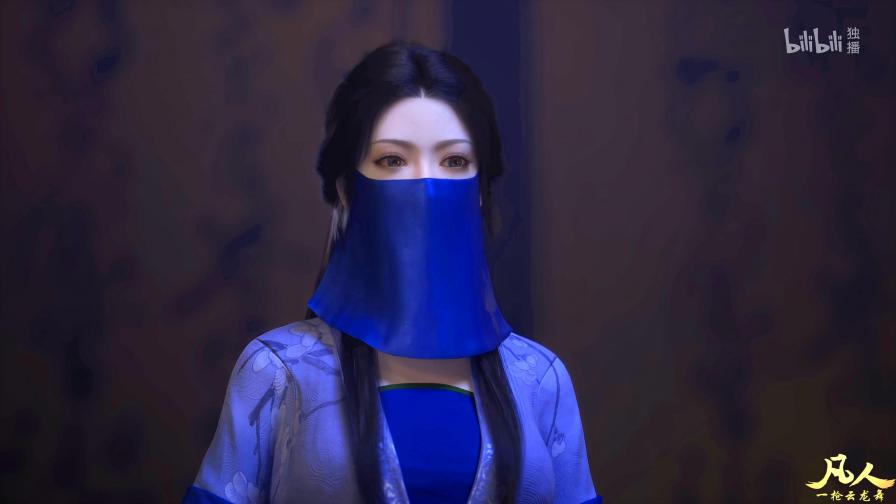
一个不符合"仙侠女主"模板的女人
修仙小说里的女性角色通常只有两种命运:成为男主的道侣,或成为男主的垫脚石。南宫婉表面上属于前者——她确实是韩立最重要的道侣。但如果你只用"韩立的老婆"来定义她,那你大概率没有认真读过原著。
南宫婉在凡人修仙传中的独特之处,恰恰在于她从未为了韩立放弃过自己的修仙之路。
这在修仙小说界几乎是异端。
出场即巅峰:一个不需要被拯救的女人
南宫婉第一次登场,身份就不低——掩月宗的天才弟子,结丹期女修,容貌倾城。但忘语对她的描写,重点从来不在美貌上。
南宫婉的第一个高光时刻,是天南六派联手对抗魔道入侵时期。她独自面对元婴期敌手的威胁,没有等待韩立来救,而是凭借自身实力和智谋周旋。这个设定在2005年左右的网文环境中几乎是反常的——那个年代的女角色,存在的意义往往是给男主一个英雄救美的机会。
南宫婉不给韩立这个机会。
不是因为她不需要帮助,而是因为她有自己的判断力和行动力。她清楚自己的处境,清楚自己的实力上限,也清楚什么时候该战斗、什么时候该撤退。这种清醒的自我认知,在修仙小说的女性角色中极为罕见。
感情线的另一种读法
韩立与南宫婉的感情,通常被读者解读为"修仙界的纯爱"。但如果仔细分析两人的互动模式,你会发现一个更有意思的故事。
两人的感情发展,不是传统的"英雄救美→相知相恋→生死不渝"模式。它更像是一种势均力敌的谈判。
韩立第一次对南宫婉产生好感,不是因为她的美貌(虽然美貌确实是催化剂),而是因为她在战斗中展现的能力和判断力。对韩立来说,一个能在生死关头保持冷静的人,才值得信任。
而南宫婉选择韩立,同样不是被动的"芳心暗许"。她看到的是韩立的实力、潜力和——最重要的——他不会试图控制她。
这一点至关重要。在修仙世界里,道侣关系往往意味着一方对另一方的依附。实力弱的一方需要实力强的一方提供保护和资源,作为代价,弱方的自主权被削减。南宫婉选择韩立,恰恰是因为韩立没有这种控制欲。韩立的性格决定了他不会去支配另一个人——他连自己的生活都保持着最大限度的独立性,更不会要求别人为他做出牺牲。
两个独立的人选择了并肩而行,而不是一个人拖着另一个人前进。 这才是韩立与南宫婉感情线的真正内核。
延寿丹毒:一个被低估的转折
南宫婉服用延寿丹后中毒,是原著中一个极为重要但容易被草草略过的情节。
表面上看,这是一个"女主遇险、男主救援"的传统桥段。但忘语的处理方式完全不同。
首先,南宫婉中毒不是因为她无知或冲动——延寿丹毒是一个连她自己的师门前辈都未能预见的问题。其次,更重要的是:在中毒后最危险的时期,南宫婉并没有坐等韩立来救。 她自己也在积极寻找解毒之法,同时维持修炼以压制毒素扩散。
韩立最终找到了解药,但这个过程不是"英雄拯救公主"——而是"两个人各自努力,一个寻找外部解药,另一个在内部抵抗毒素,最终合力解决了问题"。
这个情节还揭示了南宫婉性格中一个容易被忽略的侧面:她不怕死,但她不愿意因为自己的问题成为别人的负担。 中毒后,她曾试图让韩立不要为了她耽误修炼——这不是矫情的"你不要管我",而是一个独立个体对自身处境的清醒认知。她知道韩立的修仙之路还很长,不希望自己成为阻碍。
分离与重逢:距离中的平等
韩立飞升灵界后,两人长期分离。这段分离期是理解南宫婉独立性的关键。
在韩立不在的日子里,南宫婉做了什么?她没有陷入思念的深渊,没有停止修炼等待重逢。她继续自己的修仙之路,在人界独自面对各种挑战,保护自己的宗门,修炼自己的功法。
忘语没有用大量篇幅描写南宫婉在分离期的生活,但正是这种"留白"本身就说明了一切——她不需要被时时刻刻地书写,因为她的人生不依赖于韩立的剧情线而存在。
当两人最终重逢时,南宫婉已经是化神期修士。她没有原地踏步等韩立回来接她。她用自己的方式走完了自己能走的路,然后在更高的层次上与韩立再次相遇。
这才是真正令人动容的地方——不是"我等了你千年"的痴情,而是**"我们各自成长,然后在更高处重逢"**的平等。
与其他女性角色的对比
要理解南宫婉的独特性,最好的方式是把她与书中其他女性角色做对比。
紫灵仙子的感情是热烈的、牺牲式的。她为了韩立可以放弃一切,包括自己的修仙前途。这种感情令人感动,但也令人心疼——因为她把自己的价值完全建立在另一个人身上。
墨彩环的感情是青涩的、单方面的。她喜欢韩立,但从未得到真正的回应。她的存在更多是一种叙事符号——代表韩立在凡人世界留下的温度。
慕沛灵的关系是功利的。双修道侣的本质是修炼合作,感情因素被最小化。
元瑶的关系是复杂的。从人到鬼仙的身份转变,让她与韩立之间的关系充满了身份政治的张力。
在这些角色中,只有南宫婉做到了一件事:在爱一个人的同时,没有丧失自我。 她的身份不因韩立而定义,她的价值不因感情而改变,她的人生不因另一个人的缺席而停滞。
忘语的无意识女性主义?
忘语大概没有刻意塑造一个"女性主义角色"。南宫婉的独立性,更可能是忘语对"人"的理解的自然延伸——在他笔下,每一个有实力的修士,无论男女,都有自己的骄傲和坚持。
但客观结果是:南宫婉成为了中国网络小说中为数不多的、不依附于男主存在的女性角色之一。
她没有为韩立哭哭啼啼,没有为爱放弃修仙,没有在韩立不在时变成一个空洞的符号。她始终是一个完整的人——有自己的目标、有自己的能力、有自己的判断。
在2005年的网文环境中,这几乎是一种奢侈。
结语:独立不是冷漠
可能有人会觉得,南宫婉的"独立"让她显得冷淡——她似乎不够深情,不够牺牲,不够"为爱疯狂"。
但这恰恰是对独立的误解。南宫婉对韩立的感情是深沉的,只是她表达感情的方式不是牺牲自我,而是让自己变得更强,以便与他站在同一个高度。
这种爱的方式或许不够戏剧化,但它更接近真实。
在修仙世界也好,在现实世界也好,最健康的亲密关系从来不是一方依附另一方,而是两个独立的个体选择携手共行。南宫婉用她的方式,诠释了这种关系的可能性。
她不是韩立的附属品。她是南宫婉。
A Woman Who Doesn't Fit the "Xianxia Heroine" Template
Female characters in cultivation novels typically face only two fates: become the male lead's Dao companion (cultivation partner), or become his stepping stone. Nangong Wan (南宫婉) ostensibly belongs to the former — she is indeed Han Li's (韩立) most important Dao companion. But if you define her solely as "Han Li's wife," you probably haven't read the original novel carefully.
What makes Nangong Wan unique in A Record of a Mortal's Journey to Immortality is precisely that she never abandoned her own cultivation path for Han Li's sake.
In the world of cultivation fiction, this is practically heresy.
Entrance at the Summit: A Woman Who Doesn't Need Rescuing
When Nangong Wan first appears, her status is already considerable — a genius disciple of the Masked Moon Sect, a Core Formation stage female cultivator, with peerless beauty. But Wang Yu's descriptions of her never focus on her looks.
Nangong Wan's first moment in the spotlight comes during the period when the six orthodox sects of the Heavenly South united against a demonic invasion. She faced threats from Nascent Soul-stage enemies alone, never waiting for Han Li to come rescue her, instead relying on her own strength and cunning to hold her ground. This characterization was almost anomalous in the webnovel landscape of around 2005 — in that era, female characters typically existed to give the male lead an opportunity for heroic rescue.
Nangong Wan denies Han Li that opportunity.
Not because she doesn't need help, but because she has her own judgment and agency. She understands her situation clearly, knows the limits of her strength, and knows when to fight and when to retreat. This kind of clear-eyed self-awareness is extraordinarily rare among female characters in cultivation fiction.
Another Reading of the Romance
The romance between Han Li and Nangong Wan is typically interpreted by readers as "pure love in the cultivation world." But if you analyze their interactions closely, you'll find a more interesting story.
Their romance doesn't follow the traditional "hero saves beauty, they fall in love, and remain devoted through life and death" model. It's more like an evenly matched negotiation.
Han Li first developed feelings for Nangong Wan not because of her beauty (though beauty was certainly a catalyst), but because of the ability and judgment she displayed in combat. For Han Li, only someone who can remain calm in a life-or-death situation is worth trusting.
And Nangong Wan chose Han Li not through passive infatuation. What she saw was Han Li's strength, potential, and — most importantly — the fact that he wouldn't try to control her.
This point is crucial. In the cultivation world, Dao companion relationships often imply one party's dependence on the other. The weaker party needs the stronger one for protection and resources, and in exchange, the weaker party's autonomy is diminished. Nangong Wan chose Han Li precisely because Han Li lacks that impulse to control. His personality ensures he would never dominate another person — he maintains maximum independence in his own life, and would never demand someone else sacrifice for him.
Two independent people chose to walk side by side, rather than one dragging the other along. This is the true core of Han Li and Nangong Wan's romance.
The Longevity Pill Poison: An Underestimated Turning Point
Nangong Wan's poisoning after taking the Longevity Pill is an extremely important but easily overlooked plot point.
On the surface, this is a traditional "heroine in peril, hero to the rescue" scenario. But Wang Yu's treatment is entirely different.
First, Nangong Wan's poisoning wasn't due to ignorance or recklessness — the Longevity Pill's toxicity was a problem that even her sect's senior predecessors hadn't foreseen. Second, and more importantly: during the most dangerous period after being poisoned, Nangong Wan didn't simply sit and wait for Han Li to save her. She actively searched for antidotes herself while maintaining her cultivation to suppress the toxin's spread.
Han Li eventually found the cure, but the process wasn't "hero rescuing a princess" — it was "two people each doing their part, one seeking an external remedy, the other fighting the toxin internally, ultimately solving the problem together."
This plotline also reveals an easily overlooked facet of Nangong Wan's character: She doesn't fear death, but she refuses to become a burden because of her own problems. After being poisoned, she tried to tell Han Li not to let her situation delay his cultivation — this wasn't the dramatic "don't worry about me" gesture, but a clear-eyed individual's rational assessment of her own situation. She knew Han Li's cultivation path still stretched far ahead, and she didn't want to become an obstacle.
Separation and Reunion: Equality Through Distance
After Han Li ascended to the Spirit Realm, the two were separated for a long time. This separation period is key to understanding Nangong Wan's independence.
What did Nangong Wan do during Han Li's absence? She didn't sink into a well of longing. She didn't stop cultivating to wait for their reunion. She continued her own cultivation path, faced various challenges alone in the Mortal Realm, protected her sect, and practiced her techniques.
Wang Yu didn't devote much space to describing Nangong Wan's life during the separation, but this "blank space" itself speaks volumes — she doesn't need to be written about constantly, because her life doesn't depend on Han Li's plotline to exist.
When the two finally reunited, Nangong Wan had already reached the Deity Transformation stage (a high-level cultivation realm where one transcends mortal limitations). She hadn't stayed in place waiting for Han Li to come get her. She walked as far as she could on her own, then met Han Li again at a higher level.
This is what's truly moving — not the "I waited a thousand years for you" kind of devotion, but "we each grew, then reunited at a higher place" — true equality.
Comparison with Other Female Characters
The best way to understand Nangong Wan's uniqueness is to compare her with the novel's other female characters.
Fairy Violet Spirit's love is ardent and sacrificial. She would give up everything for Han Li, including her own cultivation future. This kind of love is touching but also heartbreaking — because she builds her entire self-worth on another person.
Mo Caihuan's love is innocent and one-sided. She liked Han Li but never received a genuine response. Her existence functions more as a narrative symbol — representing the warmth Han Li left behind in the mortal world.
Mu Peiling's relationship is utilitarian. The essence of being a dual-cultivation Dao companion is a cultivation partnership, with emotional factors minimized.
Yuan Yao's relationship is complex. Her transformation from human to Ghost Immortal (a spiritual entity cultivating through ghost techniques rather than conventional methods) fills her relationship with Han Li with the tensions of identity politics.
Among all these characters, only Nangong Wan accomplished one thing: loving someone without losing herself. Her identity isn't defined by Han Li, her value doesn't change because of romance, and her life doesn't stagnate because of another person's absence.
Wang Yu's Unintentional Feminism?
Wang Yu probably wasn't deliberately crafting a "feminist character." Nangong Wan's independence is more likely a natural extension of his understanding of "people" — in his writing, every cultivator with real strength, regardless of gender, has their own pride and convictions.
But the objective result is: Nangong Wan became one of the few female characters in Chinese webfiction who exists independently of the male lead.
She didn't cry and carry on for Han Li, didn't give up cultivation for love, didn't become an empty symbol in Han Li's absence. She remained a complete person throughout — with her own goals, abilities, and judgment.
In the webnovel landscape of 2005, this was almost a luxury.
Closing: Independence Is Not Coldness
Some might feel that Nangong Wan's "independence" makes her seem distant — that she isn't devoted enough, sacrificial enough, or "crazy enough for love."
But this is precisely a misunderstanding of independence. Nangong Wan's love for Han Li runs deep — she simply expresses it not through self-sacrifice, but by making herself stronger so she can stand at the same height as him.
This way of loving may not be dramatic enough, but it's closer to reality.
In the cultivation world or the real world, the healthiest intimate relationships are never about one party depending on the other, but about two independent individuals choosing to walk hand in hand. Nangong Wan, in her own way, demonstrated the possibility of such a relationship.
She is not Han Li's accessory. She is Nangong Wan.