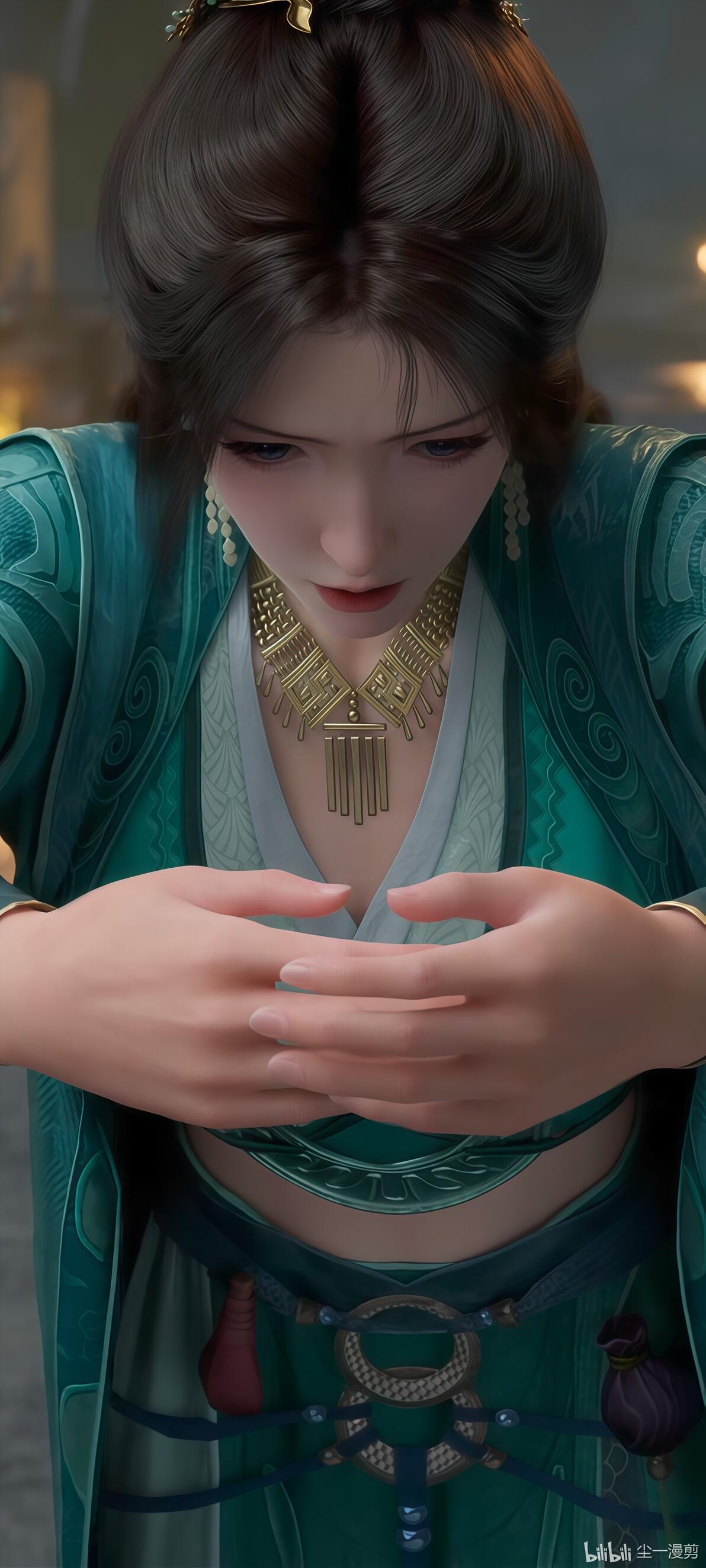
她从来没有说过"我愿意"
慕沛灵第一次出现在读者面前时,是一个被迫的场景。
她原本是掩月宗的女修,有自己的师门,有自己的修炼道路,有一个虽然不算光明但至少属于自己的未来。然后韩立出现了——不是作为爱人出现,而是作为一个她根本无法拒绝的存在。
元婴期修士对筑基期修士意味着什么?这不是上司和下属的关系,不是老师和学生的关系。这是一个普通人面对一个能随手毁灭城市的超级存在。当这样的存在说"你来做我的双修道侣",所谓的"同意"还有任何意义吗?
忘尘真人对这段关系推波助澜,慕沛灵本人最初的态度是抗拒的。但小说用一种极其自然的叙事手法,把这种抗拒慢慢消解了——韩立给她修炼资源,帮她突破瓶颈,对她态度温和而不粗暴。渐渐地,慕沛灵"接受"了这段关系。
但我们需要问一个不舒服的问题:一个人在没有拒绝能力的情况下表达的接受,算不算真正的接受?
修仙世界的"安排婚姻"
慕沛灵的处境,本质上是修仙世界版本的包办婚姻。
在古代社会,女性被家长安排嫁给某个男人,如果这个男人恰好对她不错,后人就会说"她过得很幸福"。但没有人问过:如果她可以选择,她会选择这个人吗?如果她可以选择,她会选择结婚吗?如果她可以选择,她想要的人生是什么样的?
慕沛灵的故事完美复刻了这个模式。韩立不是一个坏人——他给了慕沛灵修炼资源,没有虐待她,甚至在某种程度上保护了她。但这些"好处"恰恰构成了最精密的笼子:当施恩者同时也是你无法逃离的人,感恩就变成了锁链。
更微妙的是,慕沛灵最终确实对韩立产生了某种程度的感情。但这种感情的生成环境——一个封闭的、不对等的、没有其他选择的环境——让这种感情的纯粹性打了一个巨大的问号。心理学上有一个概念叫"斯德哥尔摩综合征",虽然用在这里略显极端,但其底层逻辑是相通的:当一个人的生存完全依赖另一个人时,她的情感判断会被生存本能严重扭曲。
与南宫婉的对照
理解慕沛灵最好的方式,是把她和南宫婉放在一起看。
南宫婉同样是韩立的道侣,但她们的关系有一个根本性的区别:南宫婉和韩立相识时,两人修为相近,甚至南宫婉的背景更强。她选择韩立,是在有其他选择的前提下做出的决定。她有拒绝的能力,有离开的底气,她的"我愿意"是有分量的。
而慕沛灵从未拥有这种底气。
两段关系放在一起,构成了一个残酷的对比:在修仙世界(以及现实世界),爱情的质量与双方的权力是否对等直接相关。 不是说弱者不能爱上强者,而是说当弱者没有"不爱"的自由时,她的"爱"就失去了检验标准。
南宫婉可以对韩立生气、吃醋、提要求,因为她有底气。慕沛灵能吗?当你的道侣同时也是你的修炼资源提供者、你的安全保障、你在修仙世界存活的最大依靠——你敢表达不满吗?
这就是权力不对称关系中最隐蔽的暴力:它不需要施暴,只需要让弱者意识到自己的脆弱就够了。
忘尘真人的角色:制度性压迫的代理人
在慕沛灵的故事中,忘尘真人扮演了一个常被忽视但极其关键的角色。
是她促成了这段关系。她的动机不难理解——掩月宗需要和韩立这样的强者建立联系,而慕沛灵是她手中最合适的"筹码"。在忘尘真人眼中,这不是在牺牲慕沛灵,而是在"为她谋一个好前程"。
这种思维方式何其熟悉。多少父母在安排子女婚姻时说的是同样的话:"这是为你好"、"他条件这么好你还有什么不满意的"。当一个人被物化为交易的筹码时,施加物化的人往往真诚地认为自己是在帮忙。
忘尘真人不是坏人。她是制度性压迫的代理人——在一个以实力为尊的世界里,弱者被强者支配是"天经地义"的事,而像忘尘真人这样的中间人只是在这个框架内做出"最优解"。她甚至可能是对的:跟了韩立之后,慕沛灵的修炼确实突飞猛进,安全确实有了保障。
但"结果好"不等于"过程正义"。
慕沛灵的自我说服
小说中有一些细节暗示,慕沛灵对这段关系做了大量的自我说服。
她会主动关心韩立的修炼,主动照顾韩立的起居,主动表现出一个"好道侣"应有的样子。这些行为表面上看是感情的自然流露,但如果你了解心理学中的"认知失调理论",就会看到另一种可能:当一个人无法改变自己的处境时,她会改变自己对处境的看法,以减少内心的痛苦。
"我没有选择地成为了他的道侣"——这个想法太痛苦了。所以慕沛灵的潜意识会把它改写成"我选择成为了他的道侣,因为他值得"。这不是虚伪,这是人类心理的自我保护机制。
而忘尘老祖作为修仙世界中见多识广的存在,当初促成此事时,大概率也预见到了这个心理过程。她知道时间和朝夕相处会消磨抗拒,就像水滴石穿。
凡人修仙传的诚实与不诚实
忘尘真人之所以值得讨论慕沛灵这个角色,是因为它暴露了《凡人修仙传》在写作上的一个有趣矛盾。
诚实的一面: 小说没有假装这段关系是浪漫的。韩立对慕沛灵从来没有表现出对南宫婉那样的深情,慕沛灵也从来没有成为那种让主角"为之疯狂"的女性角色。作者用一种近乎冷淡的笔触写这段关系,这种冷淡本身就是一种诚实——它承认这不是爱情,这是修仙世界的一种"制度安排"。
不诚实的一面: 小说从来没有正面探讨过这段关系的伦理问题。它用"修仙世界就是这样"来回避了所有不舒服的追问。慕沛灵的内心挣扎被轻描淡写,她的接受被当作理所当然,她的感受在叙事中始终处于边缘位置。
这种"半诚实"恰恰是网文的典型状态:它足够敏锐,能感知到现实的复杂性;但又足够世故,不愿深入挖掘这种复杂性。因为一旦深挖,读者就会对主角产生不适——而网文不能让读者对主角产生不适。
一个没有答案的问题
慕沛灵的故事最终留下一个问题:在一个以实力为尊的世界里,弱者的尊严从何而来?
她不能拒绝这段关系,因为实力差距让拒绝变得毫无意义。她不能离开这段关系,因为离开意味着失去所有的修炼资源和安全保障。她甚至不能真正地怨恨,因为韩立客观上确实没有亏待她。
这是一种完美的陷阱:当压迫以温和的面目出现时,被压迫者连反抗的理由都找不到。
慕沛灵最终成为了韩立后宫中安静的一员,生了孩子,修为缓慢提升,没有大起大落。读者很少讨论她,因为她的故事"没什么好说的"。
但也许,"没什么好说的"本身就是最值得说的事情。一个人的人生被悄无声息地安排了,而所有人——包括她自己——都觉得这很正常。
这不就是最大的悲剧吗?
She Never Said "I Do"
When Mu Peiling (慕沛灵) first appeared before readers, it was in a scene of coercion.
She was originally a cultivator of the Masked Moon Sect, with her own sect, her own cultivation path, and a future that — while not exactly bright — at least belonged to her. Then Han Li (韩立) appeared — not as a lover, but as an existence she could not possibly refuse.
What does a Nascent Soul cultivator mean to a Foundation Establishment cultivator? This is not the relationship between a boss and subordinate, or between a teacher and student. This is an ordinary person facing a superhuman being who could casually annihilate a city. When such a being says "you will become my dual cultivation partner," does the word "consent" carry any real meaning?
Cultural context: The power gap between Foundation Establishment and Nascent Soul stage is enormous — roughly five major cultivation stages apart. In the novel's framework, a Nascent Soul cultivator could kill a Foundation Establishment cultivator as effortlessly as an adult swatting a fly. This context is essential for understanding the dynamics of this relationship.
Nangong Wan's master (忘尘真人, Wangchen Zhenren) facilitated this arrangement, and Mu Peiling's initial attitude was resistant. But the novel used an extraordinarily natural narrative technique to gradually dissolve this resistance — Han Li provided her with cultivation resources, helped her break through bottlenecks, and treated her gently rather than roughly. Gradually, Mu Peiling "accepted" the relationship.
But we need to ask an uncomfortable question: Does acceptance expressed by someone who lacks the ability to refuse count as genuine acceptance?
The Cultivation World's "Arranged Marriage"
Mu Peiling's situation was essentially the cultivation world's version of an arranged marriage.
In pre-modern Chinese society, women were matched by their parents to certain men. If the man happened to treat her well, later generations would say "she lived a happy life." But no one ever asked: if she could have chosen, would she have chosen this man? If she could have chosen, would she have chosen marriage at all? If she could have chosen, what kind of life would she have wanted?
Cultural context: Arranged marriage (baobao hunyin) was the norm in imperial China for thousands of years. The concept of marrying for love is historically recent. This parallel is not incidental — Wang Yu is drawing on deep cultural patterns that many Chinese readers would immediately recognize.
Mu Peiling's story perfectly replicated this pattern. Han Li was not a bad person — he provided Mu Peiling with cultivation resources, didn't mistreat her, and even protected her to a certain extent. But these "benefits" constituted the most exquisite cage: when the benefactor is also the person you cannot escape, gratitude becomes a chain.
Even more subtly, Mu Peiling eventually did develop some degree of feeling for Han Li. But the environment in which these feelings formed — closed, unequal, devoid of alternatives — cast an enormous question mark over their authenticity. Psychology has a concept called "Stockholm Syndrome," and while applying it here may seem extreme, the underlying logic is the same: when a person's survival depends entirely on another person, their emotional judgment becomes severely distorted by survival instinct.
The Contrast with Nangong Wan
The best way to understand Mu Peiling is to place her side by side with Nangong Wan (南宫婉).
Nangong Wan was likewise Han Li's Dao companion, but their relationship had a fundamental difference: when Nangong Wan and Han Li first met, their cultivation levels were comparable — Nangong Wan's background was arguably even stronger. She chose Han Li as a decision made with other options available. She had the ability to refuse, the confidence to leave, and her "I do" carried real weight.
Mu Peiling never possessed this confidence.
The two relationships placed together form a cruel comparison: in the cultivation world (and in the real world), the quality of a romantic relationship correlates directly with whether the power between the two parties is balanced. This is not to say that a weaker person cannot fall in love with a stronger one, but that when the weaker party lacks the freedom to "not love," their "love" loses its standard of verification.
Nangong Wan could get angry at Han Li, feel jealous, make demands — because she had the standing to do so. Could Mu Peiling? When your Dao companion is simultaneously your cultivation resource provider, your safety guarantor, and your greatest support for survival in the cultivation world — do you dare express dissatisfaction?
This is the most insidious form of violence within power-asymmetric relationships: it doesn't require actual violence; it only requires the weaker party to be aware of their own fragility.
Wangchen Zhenren's Role: Agent of Institutional Oppression
In Mu Peiling's story, Wangchen Zhenren (忘尘真人) played a role that is often overlooked but critically important.
She was the one who facilitated the relationship. Her motivation was not hard to understand — the Masked Moon Sect needed to establish ties with a powerhouse like Han Li, and Mu Peiling was the most suitable "chip" in her hand. In Wangchen Zhenren's eyes, this wasn't sacrificing Mu Peiling but "securing her a good future."
How familiar does this reasoning sound? How many parents throughout history have said the same things while arranging their children's marriages: "This is for your own good." "His circumstances are so favorable — what could you possibly be dissatisfied about?" When a person is commodified as a bargaining chip, the one doing the commodifying often sincerely believes they're helping.
Wangchen Zhenren was not a villain. She was an agent of institutional oppression — in a world that reveres power, it is "only natural" for the weak to be directed by the strong, and intermediaries like Wangchen Zhenren simply found the "optimal solution" within that framework. She might even have been right: after joining Han Li, Mu Peiling's cultivation did advance rapidly, and her safety was indeed guaranteed.
But "good outcomes" do not equal "just process."
Mu Peiling's Self-Persuasion
Certain details in the novel hint that Mu Peiling engaged in extensive self-persuasion about this relationship.
She would proactively care about Han Li's cultivation, attend to his daily needs, and play the role of "good Dao companion." These behaviors appear on the surface to be natural expressions of affection. But if you're familiar with cognitive dissonance theory in psychology, you'll see another possibility: when a person cannot change their circumstances, they will change their perception of those circumstances to reduce inner pain.
"I had no choice in becoming his Dao companion" — this thought is too painful. So Mu Peiling's subconscious rewrote it as: "I chose to become his Dao companion because he's worth it." This is not dishonesty — it is the human psyche's self-protective mechanism.
And Wangchen Zhenren, as a worldly-wise figure in the cultivation world, most likely foresaw this psychological process when she first arranged matters. She knew that time and daily proximity would erode resistance, like water wearing away stone.
The Novel's Honesty and Dishonesty
Mu Peiling is worth discussing because she exposes an interesting contradiction in A Record of a Mortal's Journey to Immortality's writing.
The honest side: The novel never pretended this relationship was romantic. Han Li never showed Mu Peiling the depth of feeling he had for Nangong Wan, and Mu Peiling never became the kind of woman who drove the protagonist "mad with passion." The author wrote this relationship with a near-indifferent brush, and that indifference was itself a form of honesty — it acknowledged this was not love but a "system arrangement" of the cultivation world.
The dishonest side: The novel never directly confronted the ethical issues of this relationship. It used "that's just how the cultivation world works" to sidestep all uncomfortable questioning. Mu Peiling's inner struggles were glossed over, her acceptance was treated as a given, and her feelings remained perpetually at the narrative margins.
This "half-honesty" is precisely the typical mode of Chinese web fiction: perceptive enough to sense the complexity of reality, but worldly enough not to dig too deeply into that complexity. Because once you dig, readers would feel uncomfortable about the protagonist — and web fiction cannot afford to make readers uncomfortable about the protagonist.
A Question Without an Answer
Mu Peiling's story ultimately leaves us with one question: In a world that worships power, where does the dignity of the weak come from?
She could not refuse this relationship, because the power gap made refusal meaningless. She could not leave, because leaving meant losing all cultivation resources and security. She couldn't even truly resent, because Han Li objectively hadn't mistreated her.
This is a perfect trap: when oppression wears a gentle face, the oppressed can't even find a reason to resist.
Mu Peiling ultimately became a quiet member of Han Li's household, bore children, saw her cultivation rise slowly, and lived without great drama. Readers rarely discuss her, because her story "isn't much to talk about."
But perhaps "not much to talk about" is itself the thing most worth talking about. A person's life was arranged without a sound, and everyone — including herself — found it perfectly normal.
Isn't that the greatest tragedy of all?