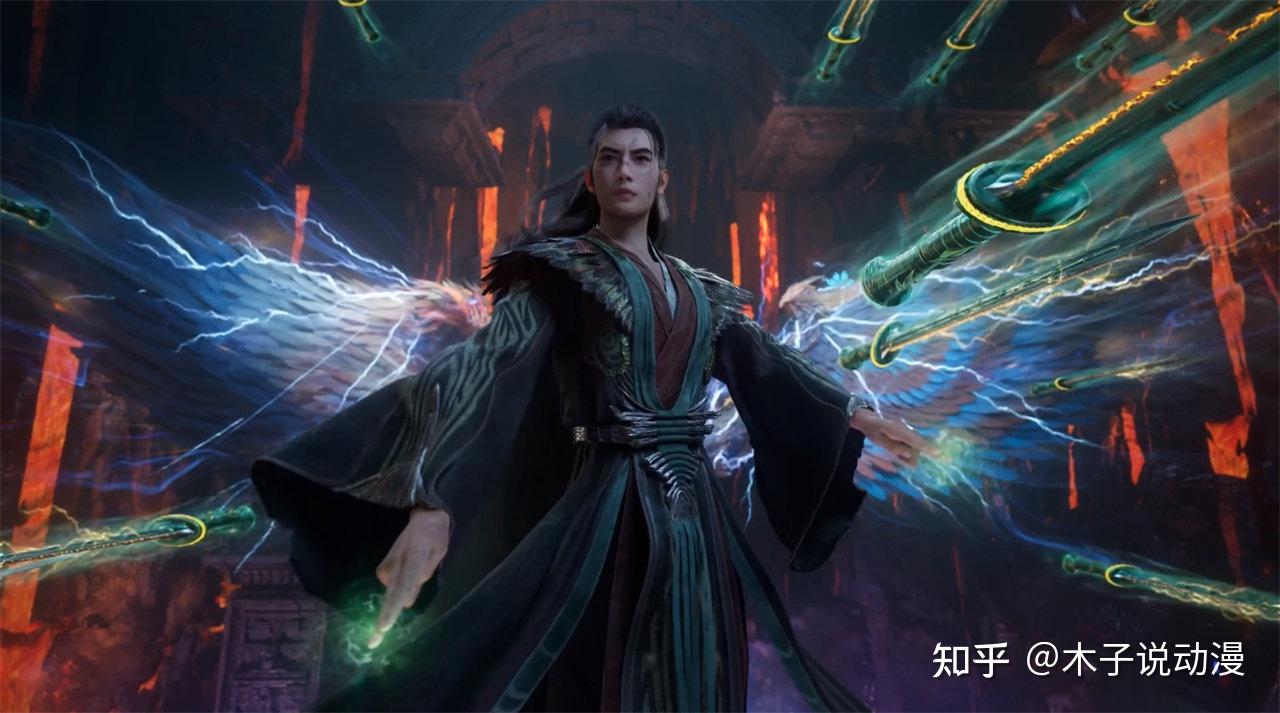
每个棋局都需要一个以为自己是棋手的人
仙界篇最大的叙事转向之一,是轮回殿主的真面目逐渐浮出水面。
在此之前,韩立面对的敌人大多是"明面上的"——你知道他要杀你,他也知道你知道。但轮回殿主代表了一种完全不同的威胁:你甚至不知道自己已经被算计了。
这种角色在文学中有一个经典的名字——"puppet master",傀儡师。他不亲自下场,不弄脏自己的手,他只是拉动线绳,看着台上的木偶按照他设计的剧本表演。轮回殿主在仙界的所作所为,几乎就是这个原型的教科书式演绎。
但忘尘老祖真正值得分析的,不是他做了什么,而是他为什么觉得自己有权这样做。
操纵者的自我合理化
轮回殿主的行事逻辑有一个核心前提:他相信自己比所有人都看得更远。
这种信念不是凭空产生的。作为仙界最顶层的存在之一,他确实拥有超越大多数人的视野和信息量。他能看到普通仙人看不到的棋局,能预判几百步之后的走势,能在别人还在为眼前的危机焦头烂额时,已经在布置三千年后的后手。
这种能力很容易催生一种特殊的心理状态:先知式的傲慢。
"我比你们更了解局势,所以我替你们做决定是合理的。" "你们看不懂我的布局,但最终会感谢我的。" "为了更大的目标,某些牺牲是必要的——而谁应该被牺牲,由我来决定。"
这套逻辑听起来是不是很耳熟?历史上每一个独裁者、每一个自以为在"拯救世界"的阴谋家,用的都是同一套话术。轮回殿主不过是把这套话术搬到了仙界的语境中。
轮回之名的深意
"轮回殿"这个名字本身就值得玩味。
轮回意味着循环,意味着一切都会重来,意味着没有什么是真正结束的。掌管轮回的人,实际上掌管的是重新开始的权力——这是一种比杀人更可怕的权力。杀人只是结束一条命,而操纵轮回是操纵一个灵魂的无数次人生。
轮回殿主的可怕之处在于,他操纵的不是某一个时间点上的某一个事件,而是因果链本身。他在因果网络的上游做一个微小的调整,下游就会产生巨大的连锁反应。这就像蝴蝶效应——但蝴蝶是有意识地扇动翅膀。
这种操纵方式的精妙之处在于不可追溯性。当最终结果呈现时,受害者甚至无法确定自己被操纵了。你以为你做出了自由选择,但你的选择环境、你掌握的信息、你面对的选项——全都是被精心设计过的。
现实世界中最高明的权力运作,走的也是同一条路:不是限制你的选择,而是限制你的选项。
他与韩立的根本冲突
轮回殿主和韩立之间的冲突,表面上是利益冲突、立场冲突,但深层是哲学冲突。
韩立的人生哲学,我们在其他文章中分析过,核心是"生存主义"——他不相信任何人,只相信自己的判断和实力。这种哲学的根基是对自主性的极端执着。韩立可以接受失败,可以接受退让,但他不能接受被别人当棋子。
而轮回殿主恰恰是一个以"把所有人当棋子"为核心能力的存在。
两人的冲突因此有了一种古希腊悲剧的味道:一个坚信个体意志至高无上的人,遇上了一个以消解个体意志为业的人。这不是好人和坏人的对决,这是两种世界观的碰撞。
轮回殿主大概会说:个体意志是幻觉,所有的"自由选择"都不过是更大因果网络中的必然环节。韩立大概会说:去你的因果网络,老子的命老子做主。
有趣的是,从修仙世界的设定来看,两个人可能都是对的。因果律确实存在,命运确实在一定程度上被更高维度的力量所影响。但韩立用自己的经历证明了:即使在因果律的框架内,个体的挣扎依然有意义——哪怕这种挣扎本身也是"命中注定"的。
现实世界的映射
轮回殿主这种角色之所以让读者感到不安,是因为他在现实世界中有太多对应物。
想想那些制定政策的人——他们坐在空调房里,用数据模型和概率计算来决定千万人的命运。想想那些金融市场的大庄家——他们通过操纵信息流来让散户"自愿"做出对庄家有利的决策。想想那些社交媒体的算法设计者——他们通过精心设计的推荐系统来塑造你的认知和情绪。
这些人都不是传统意义上的"坏人"。他们甚至可能真诚地相信自己在做正确的事。但他们和轮回殿主一样,拥有一种危险的信念:"我有权替你决定什么对你最好。"
轮回殿主的文学价值在于,他把这种日常化的权力结构放大到了宇宙级别,让读者无法忽视它的可怕。当操纵以仙人之手施加时,我们能看到它的不义;但当同样的操纵以"系统"、"算法"、"制度"的名义施加时,我们往往视而不见。
操纵者的终极困境
但轮回殿主故事中最精彩的部分,是他最终暴露出的操纵者困境。
一个操纵者面临的最大问题不是被发现——虽然这确实是个风险——而是信息过载和控制悖论。当你试图控制的变量越来越多时,系统的复杂度会指数级增长。你调整了A来影响B,但A的变化又影响了C、D、E,然后C的变化又反过来影响了A……
这就是为什么每一个"完美计划"最终都会出差错。不是因为计划者不够聪明,而是因为现实的复杂度永远超过任何个体的计算能力。轮回殿主可以操纵一个人、十个人、一百个人,但当他试图操纵整个仙界的走向时,总有他无法预见的变量会跳出来。
韩立就是那个跳出来的变量。
这不是因为韩立比轮回殿主更聪明——他大概率不是。而是因为韩立那种近乎本能的"不配合",那种对任何外来安排的本能抗拒,构成了一种随机扰动,打乱了轮回殿主精心调校的因果链条。
命运的最后笑话
轮回殿主故事的最终讽刺在于一个古老的悖论:如果一切都在命运的安排中,那么操纵者对命运的操纵,本身也是命运的安排。
换句话说,轮回殿主以为自己站在命运之上,在操纵因果的走向。但也许,他的操纵行为本身就是因果链条的一环。他以为自己是棋手,但在更大的棋局中,他也只是一颗棋子——一颗自以为是棋手的棋子。
这个认知一旦成立,轮回殿主的所有自信就会瞬间崩塌。他所有的谋划、布局、牺牲——可能都不是他的"选择",而是更高维度存在的安排。
一个毕生致力于操纵他人命运的人,发现自己的命运也被操纵着——这大概是仙界篇中最残酷的诗意。
所以轮回殿主的真正悲剧不是失败,而是觉醒:觉醒于自己不过是自己所嘲笑的那种存在——一个以为自己有自由意志的傀儡。
Every Chess Game Needs Someone Who Thinks They're the Player
One of the Immortal Realm Arc's greatest narrative turns was the gradual revelation of the Samsara Palace Master's (轮回殿主) true face.
Before this, most enemies Han Li (韩立) faced were "overt" — they wanted to kill you, and they knew you knew it. But the Samsara Palace Master represented an entirely different kind of threat: you didn't even know you'd already been manipulated.
This archetype has a classic name in literature — the "puppet master." He doesn't take the stage himself, doesn't dirty his own hands; he merely pulls the strings and watches the marionettes perform the script he wrote. The Samsara Palace Master's machinations in the Immortal Realm were a textbook rendition of this archetype.
But what truly merits analysis is not what he did, but why he believed he had the right to do it.
The Manipulator's Self-Justification
The Samsara Palace Master's operating logic rested on a core premise: he believed he could see farther than everyone else.
This belief didn't arise from nothing. As one of the Immortal Realm's supreme beings, he genuinely possessed a scope of vision and access to information beyond most people's reach. He could perceive chess games invisible to ordinary immortals, predict positions hundreds of moves ahead, and while others were scrambling over immediate crises, he was already planting contingencies for three thousand years hence.
This capability easily breeds a particular psychological state: prophetic arrogance.
"I understand the situation better than all of you, so it's reasonable for me to make decisions on your behalf." "You can't comprehend my arrangements, but you'll thank me eventually." "For the greater goal, certain sacrifices are necessary — and who should be sacrificed, I'll decide."
Does this logic sound familiar? Every dictator in history, every conspirator who believed they were "saving the world," used the same rhetoric. The Samsara Palace Master simply transplanted this rhetoric into the context of the Immortal Realm.
The Deep Meaning Behind the Name "Samsara"
The name "Samsara Palace" (轮回殿) itself deserves contemplation.
Cultural context: "Samsara" (lunhui, 轮回) is the Buddhist and Hindu concept of the cycle of death and rebirth. In Chinese Buddhist tradition, the cycle of samsara encompasses six realms of existence, and liberation from this cycle — enlightenment, or nirvana — is the ultimate spiritual goal. For a character to control samsara is to claim dominion over the most fundamental process of existence itself.
Samsara means cyclicality — everything comes around again, nothing ever truly ends. The one who commands samsara effectively commands the power of new beginnings — a power more terrifying than killing. Killing only ends one life; manipulating samsara means manipulating a soul's countless lifetimes.
What makes the Samsara Palace Master truly frightening is that he manipulated not a single event at a single point in time, but the causal chain itself. A tiny adjustment upstream in the web of cause and effect could produce enormous chain reactions downstream. This is like the butterfly effect — except the butterfly beats its wings deliberately.
The elegance of this manipulation method lies in its untraceable nature. When the final outcome materializes, the victim cannot even confirm they were manipulated. You thought you made a free choice, but the environment of your choice, the information you had, the options you faced — all were meticulously engineered.
The most sophisticated exercise of power in the real world follows the same path: not restricting your choices, but restricting your options.
His Fundamental Conflict with Han Li
The conflict between the Samsara Palace Master and Han Li was, on the surface, a conflict of interests and positions. At a deeper level, it was a philosophical conflict.
Han Li's life philosophy, as analyzed in other articles, is at its core "survivalism" — he trusts no one but his own judgment and strength. The foundation of this philosophy is an extreme attachment to personal autonomy. Han Li can accept failure, can accept retreat, but he cannot accept being used as someone else's chess piece.
And the Samsara Palace Master was an existence whose core capability was precisely "turning everyone into chess pieces."
Their conflict thus carried the flavor of ancient Greek tragedy: a man who adamantly believes in the supremacy of individual will meets a man whose profession is dissolving individual will. This was not a confrontation between good and evil — it was a collision between two worldviews.
The Samsara Palace Master would likely say: individual will is an illusion; every "free choice" is merely a necessary link in a grander causal network. Han Li would likely say: to hell with your causal network; my life is mine to command.
Interestingly, from within the novel's cosmological framework, both might be correct. Karmic causality genuinely exists, and fate genuinely is influenced to some degree by higher-dimensional forces. But Han Li proved through his own experience that even within the framework of karmic law, an individual's struggle still has meaning — even if that struggle itself might be "fated."
Real-World Resonance
The reason a character like the Samsara Palace Master unsettles readers is that he has too many real-world counterparts.
Consider policymakers — sitting in climate-controlled offices, using data models and probability calculations to determine the fates of millions. Consider financial market manipulators — using information asymmetry to make retail investors "voluntarily" make decisions that benefit the big players. Consider social media algorithm designers — using carefully crafted recommendation systems to shape your cognition and emotions.
None of these people are "bad guys" in the traditional sense. They may even sincerely believe they're doing the right thing. But like the Samsara Palace Master, they share a dangerous conviction: "I have the right to decide what's best for you."
The literary value of the Samsara Palace Master is that he magnifies this everyday power structure to cosmic scale, making it impossible for readers to ignore its horror. When manipulation is wielded by an immortal's hand, we can see its injustice; but when the same manipulation is wielded in the name of "systems," "algorithms," or "institutions," we often look the other way.
The Manipulator's Ultimate Dilemma
But the most brilliant part of the Samsara Palace Master's story is the manipulator's dilemma he ultimately exposed.
The biggest problem facing a manipulator is not being discovered — though that is certainly a risk — but information overload and the control paradox. As the number of variables you attempt to control grows, the system's complexity increases exponentially. You adjust A to influence B, but the change in A also affects C, D, and E, and then the change in C feeds back to alter A...
This is why every "perfect plan" eventually goes wrong. Not because the planner isn't clever enough, but because the complexity of reality always exceeds any individual's computational capacity. The Samsara Palace Master could manipulate one person, ten people, a hundred people — but when he attempted to manipulate the trajectory of the entire Immortal Realm, variables he could not foresee would inevitably emerge.
Han Li was that unforeseen variable.
Not because Han Li was smarter than the Samsara Palace Master — he almost certainly wasn't. But because Han Li's near-instinctual "non-compliance," his reflexive resistance to any external arrangement, constituted a kind of random perturbation that disrupted the Samsara Palace Master's meticulously calibrated causal chain.
Fate's Final Joke
The ultimate irony of the Samsara Palace Master's story lies in an ancient paradox: If everything is within fate's arrangement, then the manipulator's manipulation of fate is itself arranged by fate.
In other words, the Samsara Palace Master believed he stood above destiny, steering the direction of causality. But perhaps his acts of manipulation were themselves links in the causal chain. He thought he was the player, but in a grander game, he too was merely a piece — a piece that believed itself to be a player.
Once this realization takes hold, all the Samsara Palace Master's confidence collapses instantaneously. All his planning, positioning, and sacrifice — it may all have been not his "choice" but the arrangement of a higher-dimensional existence.
A man who devoted his life to manipulating others' destinies, discovering that his own destiny was also being manipulated — that is perhaps the Immortal Realm Arc's cruelest poetry.
And so the Samsara Palace Master's true tragedy is not his defeat, but his awakening: awakening to the realization that he was nothing more than the very thing he had always mocked — a puppet who believed it possessed free will.