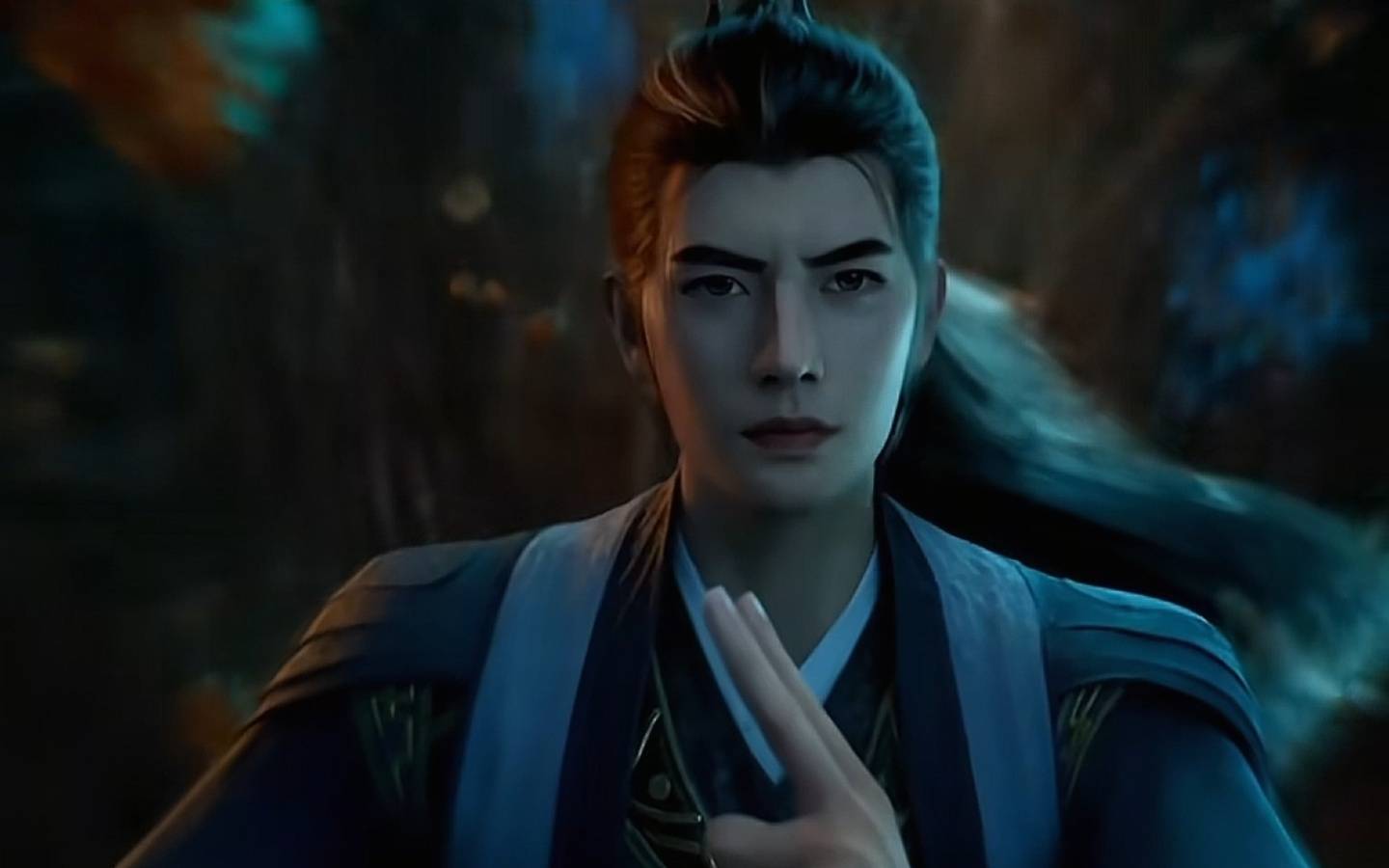
修仙者最大的奢侈品,叫做"回头看"
在《凡人修仙传》的世界观里,修仙是一条单行道。你的寿命越长,身边的凡人就死得越快。你的境界越高,回头看一眼的代价就越大——不是修为上的代价,而是心理上的。
韩立偏偏是一个总在回头看的人。
这不是软弱,恰恰相反,这是忘尘子用来理解韩立性格的钥匙。一个修炼了数千年、经历过无数生死劫难的大乘期修士,为什么还会在意一个凡人村庄里几块墓碑的朝向?
答案藏在他出发时的那个清晨。
青牛镇:一切开始的地方
韩立被送往七玄门的时候,大概十一二岁。这个年纪的孩子,已经足够记住父母送别时的表情,却还不足以理解那个表情背后的复杂含义。
韩立的父亲把他交给张铁的那个细节,原著中着墨不多,但值得咀嚼。一个农民把自己的儿子托付给一个半生不熟的人,带去一个完全未知的地方。他不知道七玄门是什么,不知道儿子会经历什么,甚至不知道还能不能再见到这个孩子。他只知道一件事:家里养不起了。
这是韩立与凡人世界的第一根线——愧疚。不是他亏欠了家人,而是他从小就被灌输了一种认知:自己的存在是一种负担。后来他反复回去照顾家族,某种程度上是在偿还一笔他其实不欠的债。
张铁:修仙路上唯一的"正常"朋友
在韩立漫长的修仙生涯中,他结识过元婴老怪、化神大能、甚至仙界的真仙。但张铁在他心中的位置,这些人都替代不了。
原因很简单:张铁是韩立在还不是"修仙者韩立"的时候认识的人。
张铁认识的那个韩立,会因为肚子饿而发愁,会因为被师兄欺负而委屈,会因为学不会功法而焦虑。这些事情在修仙者韩立的生命里微不足道,但在人类韩立的记忆里,它们构成了最初的底色。
后来韩立回去找张铁,发现对方已经成了一个普通的中年男人,有妻子,有孩子,有一份平凡的生活。两个人之间的差距已经大到无法用言语描述——一个可以翻山倒海,一个连生老病死都无法抗拒。
但韩立还是去了。而且不止一次。
这说明什么?说明韩立需要一个锚点。修仙世界的一切都在变——法宝会碎、道侣会散、盟友会背叛。但张铁代表的那个世界是不变的:日出而作,日落而息,生老病死,周而复始。韩立每次回去,不是为了帮张铁什么,而是为了确认自己还记得自己从哪里来。
韩家后人:血脉的延续与断裂
韩立对家族后人的关照,是全书最耐人寻味的暗线之一。
他给后人留下灵石、功法和护身法宝,甚至在暗中为韩家安排了一些修仙资源。这些行为从实际角度看,效率并不高——他完全可以把这些资源用在自己的修炼上,收益远大于投资几个资质平平的凡人后代。
但韩立不是在做投资。他是在做补偿。
补偿什么?补偿他缺席的那些年。补偿他无法参加的每一场葬礼、每一次年节、每一个孩子的出生。修仙者的时间尺度和凡人不同——他闭关一次,人间可能已经换了两三代。他出关时想去探望的人,坟头的草可能已经长了三尺。
这种错位感,是修仙小说中最残酷的设定之一,而忘尘子在韩立身上把这种残酷写得极为克制。他没有让韩立痛哭流涕,没有让韩立捶胸顿足。韩立只是沉默地看着那些墓碑,沉默地离开,然后继续修炼。
沉默本身就是最大的情感表达。
凡人之心与仙人之路的悖论
修仙世界有一个不成文的规则:走得越远的人,放下得越多。
化神期要斩断心魔,合体期要天人合一,大乘期更是需要对天道有所感悟。这些境界突破的过程中,"凡心"理论上应该是障碍。一个还在牵挂凡人亲属的修士,怎么可能心无旁骛地冲击瓶颈?
但韩立恰恰打破了这个规则。
他没有斩断凡心——他带着凡心修到了大乘期。这不是作者的疏忽,而是刻意的设计。忘尘子想表达的是:真正的强大不是无情,而是在有情的前提下依然能做出理性判断。
韩立可以在战斗时毫不犹豫地杀人,也可以在战斗结束后默默回到青牛镇看一眼老家的方向。这两件事在他身上并不矛盾,因为他从来没有试图在"修仙者"和"凡人"之间做非此即彼的选择。
他两个都要。而他足够强,强到可以两个都要。
最后的回望
全书结尾,韩立飞升仙界。这一刻,他与凡人世界的物理距离终于变成了不可逾越的鸿沟。
但有意思的是,即使到了仙界,韩立的行事风格依然带着浓重的"凡人味"。他不张扬、不冒进、重信义、讲实际。这些品质不是仙界教给他的,是青牛镇教给他的,是张铁教给他的,是他那个连名字都不太被读者记住的父亲教给他的。
凡人修仙传,重点不在"修仙",而在"凡人"。韩立最终成仙,但他的精神内核始终是一个凡人——一个记得回家路的凡人。
这或许就是全书最深层的表达:修仙的目的不是超脱凡尘,而是在拥有超脱凡尘的能力之后,依然选择不忘来时路。
修到极致,不过是回到原点。而原点,是一个农家少年离开青牛镇的那个清晨。
A Cultivator's Greatest Luxury Is Looking Back
In the worldview of A Record of a Mortal's Journey to Immortality, cultivation is a one-way road. The longer your lifespan, the faster the mortals around you die. The higher your realm, the greater the cost of looking back — not a cost in cultivation terms, but a psychological one.
Han Li (韩立) happens to be someone who keeps looking back.
This is not weakness. Quite the opposite — it is the key to understanding Han Li's character. Why would a Grand Ascension cultivator who has practiced for thousands of years and survived countless mortal perils still care about the orientation of a few gravestones in a mortal village?
The answer lies hidden in the morning he first set out.
Green Ox Town: Where It All Began
Han Li was about eleven or twelve when he was sent to the Seven Mysteries Sect. A child that age is old enough to remember his parents' expressions at the moment of farewell, but not yet old enough to understand the complex meanings behind those expressions.
Cultural context: "Green Ox Town" (Qingniu Zhen, also translated as "Ox Bull Village") is a tiny, impoverished farming village — the kind of unremarkable rural settlement found throughout Chinese literary tradition, serving as a symbol of humble origins. The detail of a poor family sending away a child to reduce the number of mouths to feed is a recurring motif in Chinese historical and fictional narratives.
The detail of Han Li's father handing him over to Zhang Tie (张铁) receives little ink in the original text, but it deserves reflection. A farmer entrusting his own son to a virtual stranger, to be taken to a completely unknown place. He didn't know what the Seven Mysteries Sect was, didn't know what his son would experience, didn't even know if he would ever see the child again. He knew only one thing: the family couldn't afford to feed him anymore.
This is the first thread connecting Han Li to the mortal world — guilt. Not that he owed his family anything, but that he was instilled from childhood with a belief: his existence was a burden. His repeated return visits to care for the clan were, to some extent, repaying a debt he never actually owed.
Zhang Tie: The Only "Normal" Friend on the Cultivation Path
Over the course of Han Li's vast cultivation career, he befriended Nascent Soul patriarchs, Deity Transformation masters, even True Immortals in the Immortal Realm. But none of them could replace the position Zhang Tie (张铁) held in his heart.
The reason is simple: Zhang Tie knew Han Li before Han Li was "Cultivator Han Li."
The Han Li that Zhang Tie knew was someone who worried about going hungry, felt wronged when bullied by senior disciples, and stressed about failing to learn techniques. These things were insignificant in the life of "Cultivator Han Li," but in the memory of "Human Han Li," they formed the original foundation.
Later, when Han Li went back to find Zhang Tie, he discovered his friend had become an ordinary middle-aged man with a wife, children, and an unremarkable life. The gap between them had grown beyond what words could describe — one could overturn mountains and seas, while the other couldn't even resist aging and death.
But Han Li still went. And not just once.
What does this tell us? It tells us Han Li needed an anchor. Everything in the cultivation world was in flux — magical treasures could shatter, cultivation partners could part, allies could betray. But the world Zhang Tie represented was constant: rise at dawn, rest at dusk, birth, aging, sickness, death, the eternal cycle. Every time Han Li went back, he wasn't going to help Zhang Tie — he was going to confirm that he still remembered where he came from.
The Han Clan Descendants: Continuation and Severance of Blood
Han Li's care for his mortal descendants is one of the most thought-provoking hidden threads in the entire novel.
He left them spirit stones, cultivation manuals, and protective talismans, and even secretly arranged some cultivation resources for the Han family. From a practical standpoint, these efforts were not efficient — he could have invested those resources in his own cultivation for far greater returns than subsidizing a few descendants of mediocre aptitude.
But Han Li was not making an investment. He was making amends.
Amends for what? For the years he was absent. For every funeral he couldn't attend, every holiday gathering he missed, every birth of a child he never witnessed. A cultivator's time scale differs from a mortal's — one session of closed-door cultivation might span two or three generations of human life. When he emerged, the people he wanted to visit might already have three feet of grass growing over their graves.
Cultural context: "Closed-door cultivation" (biguan) is a practice where a cultivator isolates themselves for extended periods — sometimes decades or centuries — to focus entirely on advancing their cultivation. It is one of the key devices in xianxia fiction that creates dramatic time gaps between the protagonist and the mortal world.
This temporal dislocation is one of the cruelest premises in cultivation fiction, and Wang Yu (忘语, the author) rendered it with extreme restraint through Han Li. He didn't have Han Li weep or beat his chest. Han Li simply looked at the gravestones in silence, left in silence, and then continued cultivating.
Silence itself is the greatest emotional expression.
The Paradox of a Mortal Heart and an Immortal Path
The cultivation world has an unwritten rule: the farther you walk, the more you must let go.
Breaking through the Deity Transformation stage requires severing inner demons. The Body Integration stage requires unity of heaven and self. The Grand Ascension stage demands even deeper comprehension of the Heavenly Dao. During these breakthrough processes, a "mortal heart" should theoretically be an obstacle. How can a cultivator still attached to mortal relatives focus single-mindedly on breaking through bottlenecks?
Cultural context: "Severing inner demons" (zhanjian xinmo) is a recurring concept in cultivation fiction where practitioners must confront and resolve their deepest emotional attachments and psychological wounds in order to advance. It draws on Buddhist and Daoist ideas about attachment as the source of suffering and an obstacle to transcendence.
But Han Li broke this rule.
He didn't sever his mortal heart — he carried his mortal heart all the way to Grand Ascension. This is not an authorial oversight but a deliberate design choice. What Wang Yu wanted to express is: true strength is not heartlessness, but the ability to make rational decisions while still having a heart.
Han Li could kill without hesitation in battle, and he could also silently return to Green Ox Town afterward to glance in the direction of his old home. These two things were not contradictory within him, because he never tried to make an either/or choice between "cultivator" and "mortal."
He wanted both. And he was strong enough to have both.
The Final Backward Glance
At the novel's conclusion, Han Li ascended to the Immortal Realm. In that moment, the physical distance between him and the mortal world finally became an uncrossable gulf.
But interestingly, even in the Immortal Realm, Han Li's conduct still carried the unmistakable flavor of a "mortal." He was unassuming, not reckless, valued his word, and stayed practical. These qualities were not taught to him by the Immortal Realm — they were taught to him by Green Ox Town, by Zhang Tie, by a father whose name most readers can barely remember.
A Record of a Mortal's Journey to Immortality — the emphasis is not on "Journey to Immortality" but on "Mortal." Han Li ultimately became an immortal, but his spiritual core remained that of a mortal — a mortal who remembered the way home.
This is perhaps the novel's deepest statement: The purpose of cultivation is not to transcend the mortal world, but to still choose not to forget where you came from even after gaining the power to leave it all behind.
Cultivate to the utmost, and you merely return to the starting point. And that starting point is a farm boy leaving Green Ox Town on a certain morning.