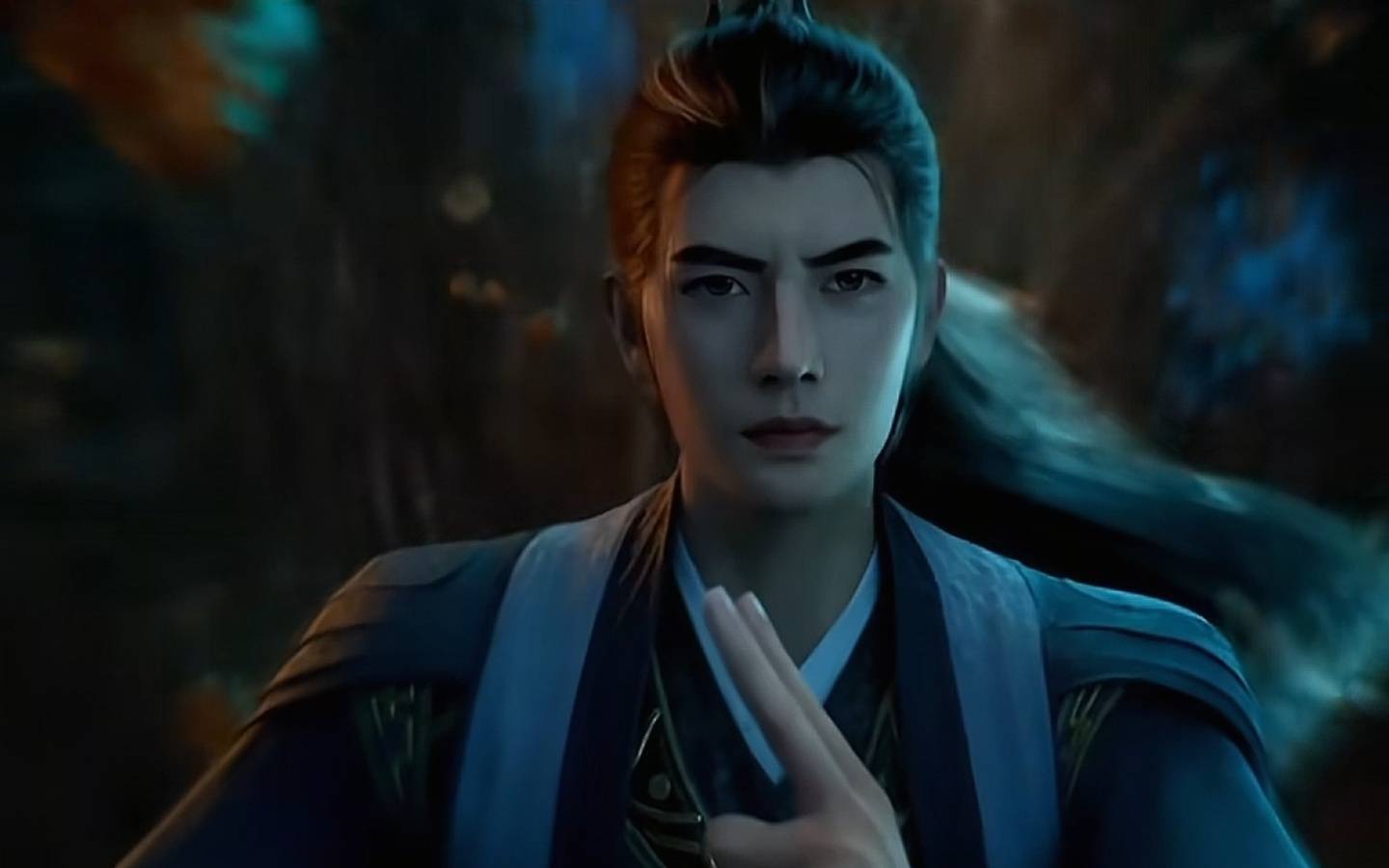
韩立的师徒关系:传承与断裂
一、被扭曲的第一课
韩立修仙生涯的第一位"师父"墨居仁,从一开始就将师徒关系的本质暴露无遗。墨居仁收韩立入七玄门,并非出于惜才之心,而是将其视为试药的容器。他教韩立修炼长春功,不是为了培养弟子,而是为了让这个资质平庸的少年成为他炼药实验的耗材。这一段经历构成了韩立对"师父"这个概念的原初创伤:师父不是保护者,而是利用者;传承不是恩赐,而是交易中的筹码。
有趣的是,墨居仁最终反而成了韩立修仙之路的实际奠基人。那本被他随意丢给韩立的炼药基础典籍,以及长春功本身,都在韩立日后的崛起中发挥了关键作用。这构成了一个深刻的反讽:最不称职的师父,给出了最有价值的传承。这并非墨居仁的本意,而是修仙世界运作逻辑的体现——知识一旦传出,就脱离了传授者的控制。
二、李化元:制度化的冷漠
如果说墨居仁代表的是师徒关系中赤裸裸的利用,那么李化元则代表了另一种更常见的模式——制度化的冷漠。作为掌门一级的人物,李化元对韩立谈不上恶意,但也绝无师徒之间应有的关怀。他给韩立安排任务、分配资源,一切按照门派制度运行,像一个管理者而非导师。
这种冷漠其实更具代表性。修仙世界的门派制度,表面上沿用了儒家的师徒伦理框架——有拜师礼、有辈分排序、有孝敬师长的规矩——但内核早已被修仙世界的丛林法则掏空。当一个结丹期的师父随时可能被金丹期的敌人碾压致死,当弟子的寿命可能远超师父,儒家那套建立在稳定社会结构上的伦理体系就彻底失去了根基。
三、韩立为何不愿收徒
纵观全书,韩立对收徒一事始终表现出明显的抗拒。这种抗拒有多层原因,每一层都值得细究。
第一层是实用主义的考量。 收徒意味着责任,意味着要在弟子身上投入时间和资源。对于韩立这样一个始终在修炼道路上争分夺秒的人来说,任何不能直接提升实力的事情都是浪费。他的整个修仙生涯都在与时间赛跑——与寿元赛跑,与突破瓶颈赛跑,与越来越强大的敌人赛跑。在这种生存压力下,培养弟子是他负担不起的奢侈品。
第二层是信任危机。 墨居仁的经历让韩立从一开始就明白:师徒关系可以被利用为最危险的控制手段。反过来说,收一个弟子,就等于在自己身边放置了一个潜在的不确定因素。弟子可能被敌人收买,可能觊觎师父的功法宝物,可能在关键时刻反戈一击。修仙世界中这样的例子比比皆是,韩立不会不知道。
第三层,也是最深的一层,是韩立骨子里的孤独本质。 他是一个彻底的独行者。他可以与人合作,可以与人交易,可以在必要时展现出义气和信用,但他从不依赖任何人,也不希望任何人依赖他。收徒意味着建立一种长期的、带有情感纽带的关系,这与韩立的生存哲学根本冲突。
四、传承的替代形式
虽然韩立很少以传统方式收徒,但他的知识和能力确实通过各种非正式渠道向外传播。他与盟友的合作中,技术和经验的交换时有发生;他留下的法阵、炼制的丹药、布置的禁制,都是另一种形式的"传承"。甚至他在各大势力中积累的声望本身,也成为一种无形的遗产。
这种去中心化的传承方式,实际上比传统师徒制更符合修仙世界的运作逻辑。在一个个体实力差距可以达到天壤之别、寿命可以相差万年的世界里,一对一的师徒传承效率太低、风险太高。真正有效的知识传递,依靠的是遗迹、秘境、古修士留下的洞府和典籍——也就是说,依靠的是死人。
五、与儒家传统的对照
儒家的师徒关系建立在"天地君亲师"的伦理序列中,师父的地位仅次于父母。这种关系预设了几个前提:社会是稳定的,长幼是有序的,知识的传递是单向的(从师到徒),权威是应当被尊重的。
修仙世界打碎了所有这些前提。社会随时可能被一场大战重组,辈分在绝对实力面前毫无意义,知识的获取途径多种多样(秘境、古籍、顿悟、奇遇),而权威的唯一基础就是修为。在这样的世界里,师徒关系必然蜕变为一种更接近"投资—回报"的商业模式:师父投入资源培养弟子,期望弟子日后能为自己或门派效力;弟子接受培养,但一旦翅膀硬了就可能另择高枝。
韩立的经历恰恰证明了这一点。他从未对任何一位师父产生过真正的敬仰和依附,他的成长完全依靠自己的谨慎、勤奋和运气。他是修仙世界师徒制度的受益者,也是这一制度虚伪性的活证据。
六、传承与断裂的辩证
但我们也不应忽视另一面。韩立虽然不信任师徒制度,却始终是一个尊重知识传承本身的人。他珍视每一本功法、每一件法宝背后凝结的前人智慧。他对青元子等前辈留下的遗产,怀有一种近乎虔诚的态度。这说明韩立反对的不是传承本身,而是将传承捆绑在不平等人身关系上的制度设计。
这也许是忘语通过韩立传达的一个深层观点:在一个弱肉强食的世界里,最可靠的传承不依赖于人与人之间的信任和忠诚,而依赖于知识本身的力量。书籍不会背叛你,法阵不会觊觎你的修为,古修士的洞府不会在你背后捅刀。对韩立而言,最好的师父,是已经死去的师父。
这是一个残酷但诚实的结论,也是《凡人修仙传》对修仙小说中理想化师徒关系的一次冷静解构。
Han Li's Master-Disciple Relationships: Inheritance and Rupture
I. A Distorted First Lesson
Han Li's (韩立) first "master" in his cultivation career, Mo Juren (墨居仁), exposed the true nature of the master-disciple relationship from the very start. Mo Juren did not take Han Li into the Seven Mysteries Sect out of a desire to nurture talent — he viewed Han Li as a vessel for testing medicines. He taught Han Li the Eternal Spring Arts not to cultivate a disciple, but to turn this mediocre-aptitude boy into expendable material for his alchemical experiments. This experience formed Han Li's foundational trauma regarding the concept of "master": a master is not a protector but an exploiter; inheritance is not a gift but a bargaining chip in a transaction.
Cultural context: In Confucian tradition, the master-disciple (shifu-tudi) relationship is one of the most sacred bonds in Chinese society, modeled after the parent-child relationship. The phrase "one day your teacher, a lifetime your father" (yi ri wei shi, zhong shen wei fu) reflects the expected depth of this bond. Mo Juren's betrayal of this relationship would be seen as particularly heinous in Chinese cultural context.
Ironically, Mo Juren ultimately became the actual foundation-layer of Han Li's cultivation path. The rudimentary alchemy text he carelessly tossed to Han Li, along with the Eternal Spring Arts themselves, both played crucial roles in Han Li's subsequent rise. This constitutes a profound irony: the most unworthy master provided the most valuable inheritance. This was not Mo Juren's intent, but rather a manifestation of how the cultivation world operates — once knowledge is transmitted, it escapes the transmitter's control.
II. Li Huayuan: Institutionalized Indifference
If Mo Juren represented naked exploitation within the master-disciple relationship, then Li Huayuan (李化元) represented another, more common pattern — institutionalized indifference. As a sect-leader-level figure, Li Huayuan harbored no malice toward Han Li, but he also showed none of the care expected between master and disciple. He assigned Han Li tasks and distributed resources, all according to sect regulations, operating like a manager rather than a mentor.
This kind of indifference is actually more representative. The sect system of the cultivation world outwardly adopted the Confucian master-disciple ethical framework — complete with formal apprenticeship ceremonies, generational seniority rankings, and rules about respecting one's elders — but its core had long been hollowed out by the cultivation world's law of the jungle. When a Core Formation master could be crushed to death at any moment by a Nascent Soul enemy, when a disciple's lifespan might far exceed the master's, the Confucian ethical system built upon a stable social structure lost all its foundations.
III. Why Han Li Refused to Take Disciples
Throughout the entire novel, Han Li displayed a clear reluctance to take on disciples. This reluctance had multiple layers of reasons, each worth examining closely.
The first layer was pragmatic calculation. Taking a disciple meant responsibility — investing time and resources in someone else. For someone like Han Li, who was always racing against time on the path of cultivation, anything that didn't directly improve his power was a waste. His entire cultivation career was a race — against his remaining lifespan, against cultivation bottlenecks, against increasingly powerful enemies. Under this survival pressure, raising disciples was a luxury he couldn't afford.
The second layer was a crisis of trust. The Mo Juren experience made Han Li understand from the start that the master-disciple relationship could be exploited as the most dangerous form of control. Conversely, taking a disciple meant placing a potential variable right beside you. A disciple could be bought by enemies, could covet the master's techniques and treasures, could turn traitor at a critical moment. Examples of this abounded in the cultivation world, and Han Li knew it well.
The third and deepest layer was Han Li's fundamental nature as a loner. He was a thoroughgoing solitary traveler. He could cooperate with others, trade with others, and display righteousness and trustworthiness when necessary, but he never relied on anyone, and he never wanted anyone to rely on him. Taking a disciple meant establishing a long-term, emotionally bonded relationship, which fundamentally conflicted with Han Li's survival philosophy.
IV. Alternative Forms of Inheritance
Although Han Li rarely took disciples in the traditional manner, his knowledge and abilities did disseminate through various informal channels. During collaborations with allies, exchanges of techniques and experience were commonplace; the formations he left behind, the pills he refined, the protective arrays he set up — all were another form of "inheritance." Even the reputation he accumulated among the great powers was itself an intangible legacy.
This decentralized mode of inheritance actually suited the cultivation world's operating logic better than the traditional master-disciple model. In a world where the power gap between individuals could be astronomically vast and lifespans could differ by tens of thousands of years, one-on-one master-disciple transmission was too inefficient and too risky. Truly effective knowledge transfer relied on ruins, secret realms, and the caves and texts left behind by ancient cultivators — that is, it relied on the dead.
V. Contrast with Confucian Tradition
The Confucian master-disciple relationship occupies a place in the ethical sequence of "Heaven, Earth, Sovereign, Parents, Teacher" — a master's status ranks just below that of one's parents. This relationship presupposes several conditions: society is stable, generational hierarchy is orderly, knowledge transfer is unidirectional (from master to disciple), and authority deserves respect.
Cultural context: The expression "Heaven, Earth, Sovereign, Parents, Teacher" (tian di jun qin shi) represents the five most revered authorities in traditional Chinese society. Having "teacher" alongside cosmic forces, the emperor, and one's parents illustrates just how deeply the master-disciple bond was valued — and how radical its dissolution in the cultivation world truly is.
The cultivation world shatters all of these presuppositions. Society can be reorganized at any time by a single great battle, generational seniority is meaningless before absolute power, knowledge can be obtained through countless channels (secret realms, ancient texts, sudden enlightenment, fortuitous encounters), and the sole foundation of authority is cultivation level. In such a world, the master-disciple relationship inevitably devolves into something closer to an "investment-return" business model: the master invests resources in cultivating the disciple, expecting the disciple to serve the master or sect in the future; the disciple accepts the training but may well seek greener pastures once their wings are strong enough.
Han Li's experience proves precisely this point. He never developed genuine reverence or attachment toward any master. His growth relied entirely on his own caution, diligence, and luck. He was a beneficiary of the cultivation world's master-disciple system, and simultaneously a living testament to its hypocrisy.
VI. The Dialectic of Inheritance and Rupture
But we should not overlook the other side. Although Han Li distrusted the master-disciple system, he always respected knowledge inheritance itself. He treasured every cultivation manual and every magical treasure for the wisdom of predecessors crystallized within them. Toward the legacies left by seniors like Qing Yuanzi (青元子), he harbored an almost devout reverence. This reveals that what Han Li opposed was not inheritance per se, but the institutional design that bound inheritance to unequal personal relationships.
This is perhaps a deeper message Wang Yu (忘语) conveyed through Han Li: in a world of eat-or-be-eaten, the most reliable form of inheritance depends not on trust and loyalty between people, but on the power of knowledge itself. Books won't betray you, formations won't covet your cultivation, and an ancient cultivator's cave dwelling won't stab you in the back. For Han Li, the best master is a dead master.
This is a cruel but honest conclusion, and it represents A Record of a Mortal's Journey to Immortality's sober deconstruction of the idealized master-disciple relationship so common in cultivation fiction.