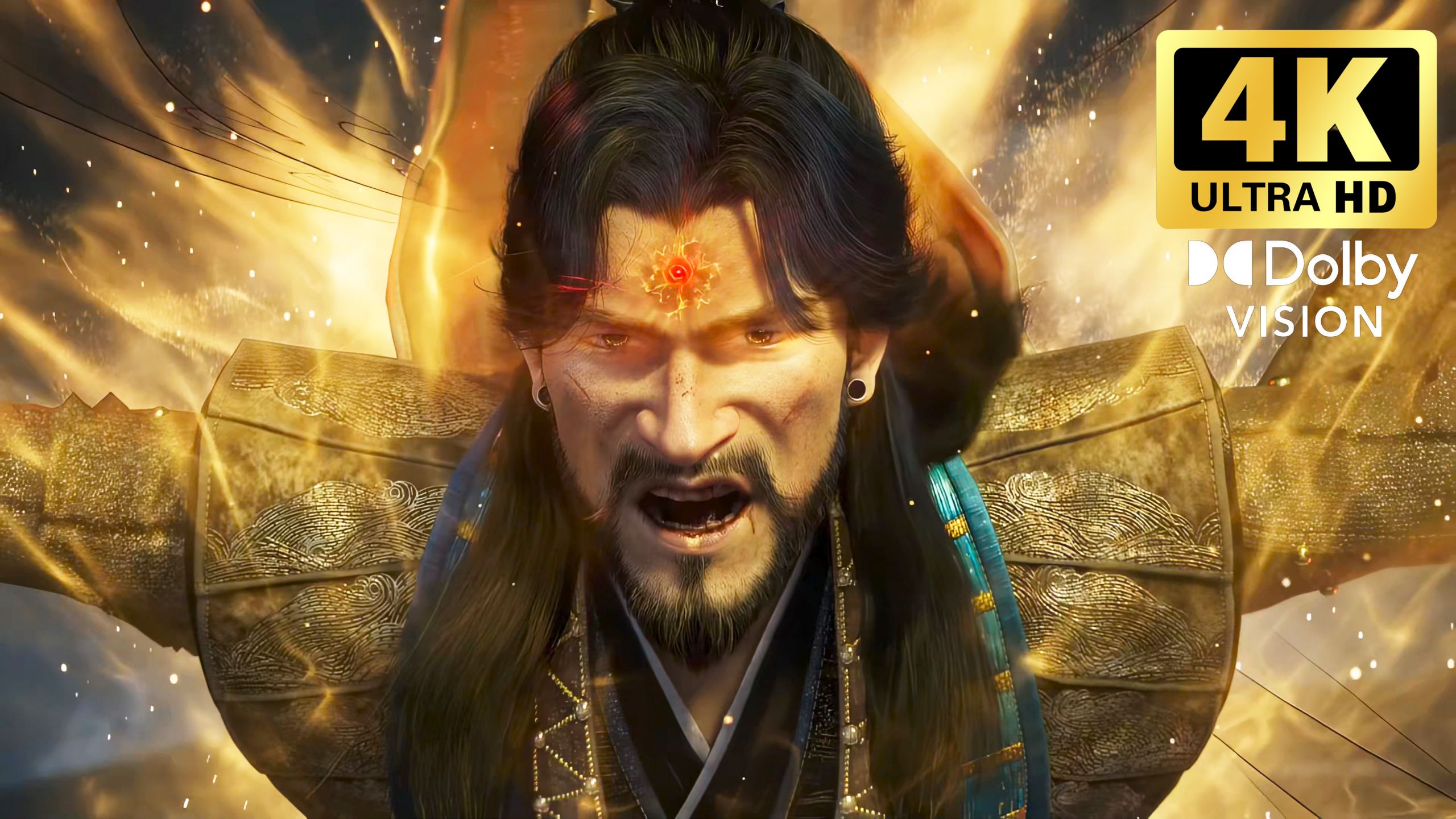
韩立的对手们:从墨居仁到古或今
一、对手即标尺
要理解一个人,最好的方式之一是看他的敌人。在《凡人修仙传》的漫长叙事中,韩立的对手们构成了一个不断升级的序列——从人界底层的阴险小人,到灵界的宗门强者,再到仙界的远古存在。这个序列不仅记录了韩立修为的增长曲线,更揭示了修仙世界权力结构的层层递进。
每一个层次的敌人都有其特定的"恶"的形态。低阶修士的恶是直接的、粗暴的、带有明显个人色彩的;高阶修士的恶则是系统性的、冷静的、往往披着正义或大局的外衣。追踪这些敌人的演变,就是追踪修仙世界道德生态的全景图。
二、人界篇:丛林的低语
墨居仁——利用与反噬
墨居仁作为韩立修仙路上的第一个"敌人"(虽然他同时也是师父),代表了最原初形态的恶意:将弱者视为工具。他对韩立的利用没有任何复杂的意识形态包装,就是赤裸裸的"你有用,所以我留着你"。这种简单直白的恶,反而成了韩立终身受用的免疫针——此后他再也不会天真地相信任何人的善意是无条件的。
墨居仁最终的下场是被自己的算计反噬。这构成了全书反派的一个重要母题:算计者终被算计。
万天明——同级别的恶意
如果说墨居仁的威胁来自长辈对晚辈的结构性权力优势,那么万天明则代表了同辈之间赤裸裸的恶意竞争。在七玄门期间,万天明对韩立的敌意来源简单而普遍:嫉妒、轻蔑和对资源的争夺。这是修仙世界中最基础也最普遍的冲突形态。
万天明级别的对手,在韩立后来的修仙生涯中以各种面目反复出现——每个境界都有自己的"万天明",那些资质比你好、背景比你强、但最终败给你的同级对手。他们是台阶,韩立踩着他们往上走。
魔道修士——价值观的碰撞
人界篇中六大魔宗的修士,代表了一种与正道截然不同的修仙理念。他们不是简单的"坏人",而是选择了另一条修炼路径的修仙者——只不过这条路径往往以牺牲他人为代价。韩立与魔道修士的冲突,表面上是正邪之争,实质上是生存策略的竞争:在资源有限的修仙世界里,"合作互利"和"掠夺吞噬"哪种策略更有效?
韩立的答案是混合策略——他以正道修士自居,但手段之灵活、心肠之硬冷,与魔道修士相比毫不逊色。这种灰色地带的生存方式,正是他能在正邪夹缝中存活的关键。
三、灵界篇:棋盘的扩大
进入灵界后,韩立的对手在量级上发生了根本性的跳跃。人界的元婴期修士在灵界不过是中层力量,韩立面对的威胁从个人恩怨升级为势力博弈。
各族强者——超越善恶的冲突
灵界中的妖族、魔族强者与韩立的冲突,很多时候已经超越了个人善恶的范畴。这是种族之间的生存竞争,是不同文明形态之间的碰撞。一个妖族大能消灭人族修士,不是因为他"恶",而是因为他的种族利益要求他这么做。
这种去道德化的冲突给韩立提出了新的挑战:你无法用"正义"来定义自己的立场,因为在种族战争中,双方都认为自己是正义的。你唯一能做的是保护自己的族群生存下去。韩立在灵界的战斗,因此带上了一种更加沉重的分量——他不再只是为自己而战,而是为整个人族的存续而战。
圣祖级存在——不可仰视的高度
当韩立面对圣祖级别的对手时,冲突的性质再次发生了质变。圣祖对于合体期的韩立而言,不是"强大的敌人",而是"不可抗力"。与圣祖对抗不是战斗,而是求生——就像暴风雨中的蚂蚁,你不是在与暴风雨战斗,你只是在试图不被吹走。
这种绝对实力差距带来的压迫感,是《凡人修仙传》最让人窒息的时刻之一。它提醒读者,也提醒韩立:无论你在自己的层级上多么出色,永远有高出你几个量级的存在。谦卑不是美德,而是生存必需。
四、仙界篇:当对手成为概念
进入仙界后,韩立的对手进一步抽象化。他面对的不再仅仅是具体的个人或势力,而是越来越接近于"概念"级别的存在——天道法则、因果业力、甚至时间本身。
古或今作为仙界层面的终极对手之一,代表了修仙世界权力金字塔的真正顶端。这个层次的对手,其思维方式、行为逻辑和价值体系,与低阶修士完全是两个物种。他们的"恶"——如果还能用这个字的话——是一种超越了人类道德框架的东西。就像人类踩死一只蚂蚁时不会认为自己在作恶,真仙级别的存在消灭低阶修士时也不会有道德负担。
韩立必须在这种令人绝望的实力差距中找到生存之道,这要求他不仅要提升修为,还要提升认知。他需要理解真仙级存在的思维方式,才能在他们的棋盘上找到缝隙。
五、暴力的进化论
纵观韩立的对手谱系,我们可以清晰地看到一条"暴力进化"的路线:
第一阶段:个人暴力。 墨居仁、万天明等人的威胁是个体性的,解决方式也是个体性的——杀掉他们就行了。
第二阶段:组织暴力。 六大魔宗、灵界各族的威胁是组织性的,需要通过联盟、战争等组织手段来应对。
第三阶段:系统暴力。 天道法则、真仙的压制是系统性的,你甚至无法明确指出"敌人"是谁——因为整个系统就是你的敌人。
每一个阶段的升级,都要求韩立发展出新的生存策略。个人暴力可以用个人实力对冲,组织暴力需要政治智慧和外交手腕,系统暴力则需要对整个世界运作规则的深刻理解和巧妙利用。韩立之所以能够一路走来,正是因为他在每一次升级中都及时调整了自己的思维和策略。
六、镜像与映射
最后,我们不应忽视一个事实:韩立的对手们从来不仅仅是"敌人",他们同时也是韩立的镜像。
墨居仁的算计和冷酷,在韩立身上以更精致的形式重现——韩立何尝不是一个精于算计、在必要时心狠手辣的人?万天明的嫉妒和争竞,映射的是修仙世界普遍的资源焦虑——韩立自己也何尝不为灵石、灵药和修炼资源殚精竭虑?
甚至那些终极反派的"将弱者视为棋子"的态度,在韩立修为渐高之后也隐隐出现——当你站在足够高的位置上,低阶修士的生死确实很难进入你的考量范围。
这种镜像关系揭示了一个不安的真相:在修仙世界中,英雄和恶棍的区别,往往不在于他们做了什么,而在于他们站在哪一边。韩立与他的对手们,在本质上遵循着同样的生存法则,只是命运将他们放在了棋盘的不同侧。
这也许是《凡人修仙传》最深刻的洞察之一:在一个弱肉强食的世界里,所有人都是潜在的反派——包括主角自己。
Han Li's Antagonists: From Mo Juren to Gu Huojin
I. Opponents as Measuring Sticks
One of the best ways to understand a person is to look at their enemies. Across the sprawling narrative of A Record of a Mortal's Journey to Immortality, Han Li's (韩立) opponents form an ever-escalating sequence — from petty schemers at the bottom of the Mortal Realm, to sect powerhouses in the Spirit Realm, to primordial beings in the Immortal Realm. This sequence records not just the growth curve of Han Li's cultivation, but also reveals the layered power structures of the cultivation world.
Each tier of enemy has its own distinct form of "evil." The evil of low-level cultivators is direct, crude, and carries a clearly personal flavor; the evil of high-level cultivators is systemic, calculated, and often draped in the garb of justice or "the greater good." Tracing the evolution of these enemies is tracing the full moral ecology of the cultivation world.
II. The Mortal Realm Arc: Whispers of the Jungle
Mo Juren — Exploitation and Blowback
Mo Juren (墨居仁) was the first "enemy" on Han Li's cultivation path (though he was simultaneously Han Li's master), representing the most primordial form of malice: treating the weak as tools. His exploitation of Han Li carried no complex ideological packaging — it was naked "you're useful, so I'll keep you." This simple, blunt evil paradoxically became a lifelong inoculation for Han Li — from then on, he would never naively believe anyone's kindness was unconditional.
Cultural context: The master-disciple relationship (shitu guanxi) carries enormous weight in Chinese culture, comparable to the feudal lord-vassal bond in Western tradition. A master exploiting a disciple is a profound betrayal of one of Confucianism's five cardinal relationships (wulun), making Mo Juren's actions culturally shocking beyond what a Western reader might initially perceive.
Mo Juren's ultimate fate was to be destroyed by his own schemes. This established a crucial recurring motif among the novel's villains: the schemer is ultimately outschemed.
Wan Tianming — Peer-Level Malice
If Mo Juren's threat came from an elder's structural power advantage over a junior, then Wan Tianming (万天明) represented naked hostile competition between peers. During the Seven Mysteries Sect period, Wan Tianming's hostility toward Han Li had simple, universal origins: jealousy, contempt, and resource competition. This is the most basic and universal form of conflict in the cultivation world.
Opponents at the Wan Tianming level reappeared in various guises throughout Han Li's later cultivation career — every realm had its own "Wan Tianming," those peers with better aptitude and stronger backing who ultimately lost to him. They were stepping stones, and Han Li climbed by stepping on them.
Demonic Cultivators — A Clash of Values
The cultivators of the six great Demonic Sects in the Mortal Realm Arc represented a cultivation philosophy fundamentally different from the orthodox path. They weren't simply "bad guys" but practitioners who chose a different cultivation path — one that often came at the cost of others' lives. Han Li's conflicts with demonic cultivators were, on the surface, a struggle between righteous and evil; in substance, they were a competition between survival strategies: in a resource-scarce cultivation world, which is more effective — "cooperative mutual benefit" or "predatory consumption"?
Cultural context: The "righteous sects vs. demonic sects" (zhengmo zhijian) dichotomy is a foundational trope in Chinese martial arts and cultivation fiction, roughly analogous to the Light Side vs. Dark Side in Star Wars, but with far more moral ambiguity in practice.
Han Li's answer was a hybrid strategy — he identified as a righteous cultivator, but his methods were flexible enough and his heart cold enough to rival any demonic cultivator. This gray-zone survival style was precisely why he could endure in the cracks between the righteous and demonic camps.
III. The Spirit Realm Arc: The Chessboard Expands
After entering the Spirit Realm, Han Li's opponents underwent a fundamental leap in scale. Mortal Realm Nascent Soul cultivators were merely mid-tier forces in the Spirit Realm, and the threats Han Li faced escalated from personal grudges to factional power plays.
Inter-Race Powerhouses — Conflict Beyond Good and Evil
The demon race and monster race powerhouses Han Li confronted in the Spirit Realm had, in many cases, moved beyond the scope of personal morality. This was survival competition between races, a collision between different civilizational forms. When a demon race supreme being eliminated human cultivators, it wasn't because he was "evil" — it was because his race's interests demanded it.
This de-moralized form of conflict posed a new challenge for Han Li: you cannot define your own position by "justice," because in a racial war, both sides believe they are the righteous ones. The only thing you can do is ensure your own race's survival. Han Li's battles in the Spirit Realm therefore carried a heavier gravity — he was no longer fighting solely for himself, but for the continued existence of the entire human race.
Sacred Ancestor-Level Beings — Unscalable Heights
When Han Li faced opponents at the Sacred Ancestor level, the nature of conflict underwent yet another qualitative shift. For Han Li at the Body Integration stage, a Sacred Ancestor was not a "powerful enemy" but an "irresistible force." Opposing a Sacred Ancestor wasn't combat — it was survival, like an ant in a hurricane: you're not fighting the hurricane; you're just trying not to be blown away.
Cultural context: The cultivation hierarchy in this novel proceeds through stages roughly analogous to power tiers: Qi Condensation, Foundation Establishment, Core Formation, Nascent Soul, Deity Transformation, Body Integration, Grand Ascension, and then True Immortal. Each stage represents an exponential leap in power.
The suffocating pressure of this absolute power gap created some of the novel's most breathtaking moments. It reminded the reader, and Han Li, that no matter how exceptional you are at your own level, there will always be beings several magnitudes above you. Humility is not a virtue — it is a survival necessity.
IV. The Immortal Realm Arc: When Opponents Become Concepts
After entering the Immortal Realm, Han Li's opponents became even more abstracted. He no longer faced merely specific individuals or factions, but beings increasingly approaching "conceptual" levels of existence — the laws of the Heavenly Dao, karmic causality, even time itself.
Gu Huojin (古或今), as one of the ultimate antagonists at the Immortal Realm level, represented the true apex of the cultivation world's power pyramid. Opponents at this tier operated with thought patterns, behavioral logic, and value systems that were utterly alien to those of lower-ranked cultivators. Their "evil" — if the word even applies — was something that transcended human moral frameworks. Just as a human stepping on an ant doesn't consider it an act of evil, True Immortal-level beings felt no moral burden when eliminating lower-ranked cultivators.
Han Li had to find a way to survive within this despairing power gap, which required him to elevate not just his cultivation but his cognition. He needed to understand how True Immortal-level beings thought in order to find crevices on their chessboard.
V. The Evolution of Violence
Surveying Han Li's complete gallery of opponents, we can clearly trace a path of "violent evolution":
Stage One: Individual Violence. The threats posed by Mo Juren, Wan Tianming, and their ilk were individual in nature, and the solutions were individual as well — kill them and be done with it.
Stage Two: Organizational Violence. The threats from the Six Demonic Sects and the Spirit Realm's various races were organizational in nature, requiring organizational responses — alliances, wars, and collective strategy.
Stage Three: Systemic Violence. The oppression of Heavenly Dao laws and True Immortal-level beings was systemic — you couldn't even clearly identify who "the enemy" was, because the entire system was your enemy.
Each stage of escalation demanded that Han Li develop new survival strategies. Individual violence could be countered with individual power, organizational violence required political wisdom and diplomatic skill, and systemic violence demanded a profound understanding of how the entire world operates, plus the cunning to exploit it. Han Li survived his entire journey precisely because he adapted his thinking and strategy in time at every escalation point.
VI. Mirrors and Reflections
Finally, we should not overlook a crucial fact: Han Li's opponents were never merely "enemies" — they were simultaneously his mirrors.
Mo Juren's calculating coldness was reproduced in a more refined form within Han Li himself — when has Han Li not been a person skilled in calculation, capable of ruthlessness when necessary? Wan Tianming's jealousy and competitiveness reflected the universal resource anxiety of the cultivation world — when has Han Li not agonized over spirit stones, medicinal herbs, and cultivation resources?
Even the ultimate villains' attitude of "treating the weak as chess pieces" subtly emerged in Han Li as his cultivation grew higher — when you stand at a sufficient height, the life and death of lower-ranked cultivators genuinely struggles to enter your field of concern.
This mirror relationship reveals an unsettling truth: in the cultivation world, the difference between hero and villain often lies not in what they did, but in which side they stood on. Han Li and his opponents fundamentally followed the same survival rules — fate simply placed them on opposite sides of the chessboard.
This is perhaps one of A Record of a Mortal's Journey to Immortality's most profound insights: in a world of eat-or-be-eaten, everyone is a potential villain — including the protagonist himself.