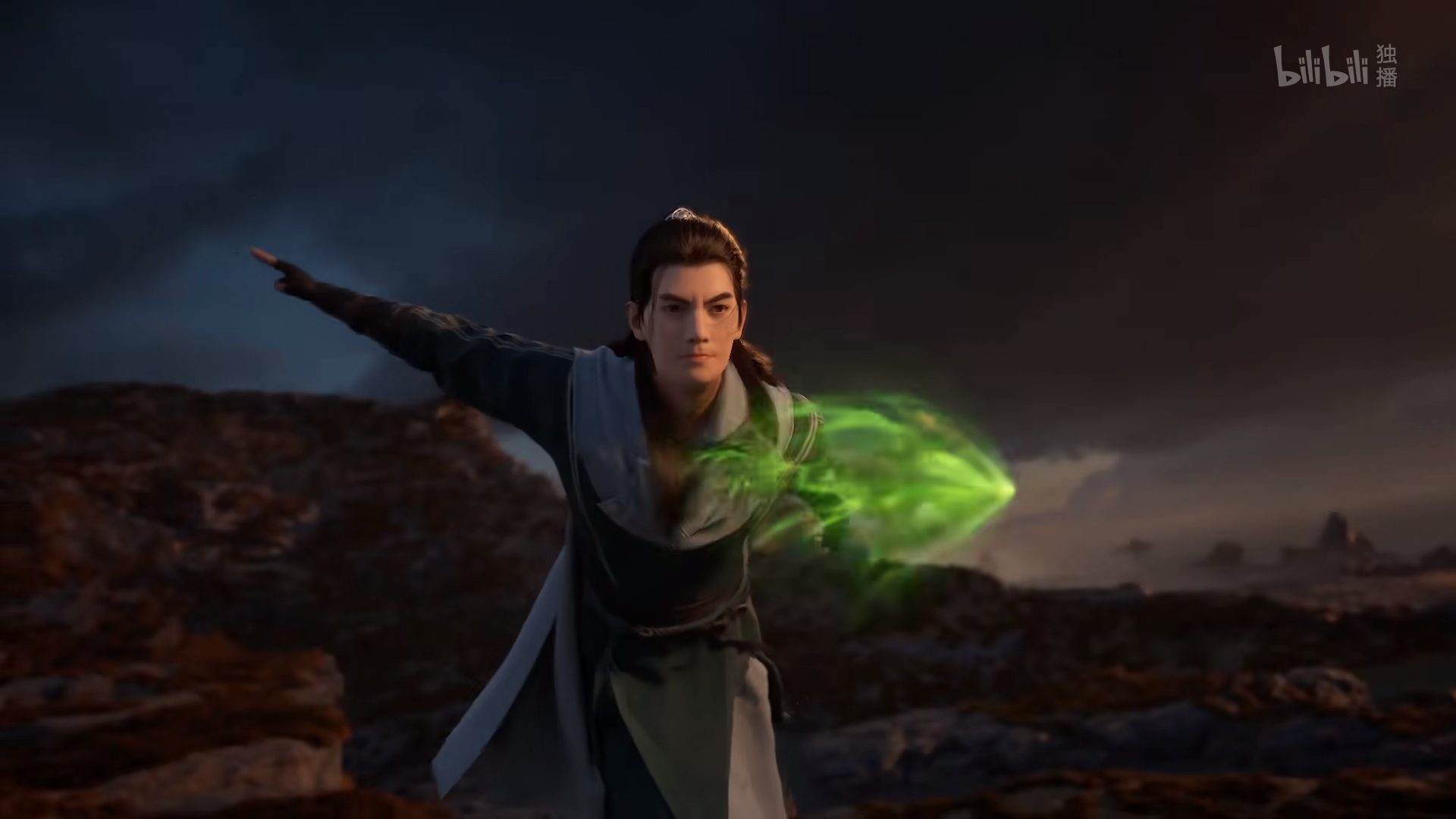
最好的反派是你差点被他说服的那种
网文写了几十年,大部分反派可以归为两类:纯粹的恶(为恶而恶),和工具化的恶(为了推动剧情而恶)。真正让人过目不忘的反派永远是第三类——他有一套自洽的逻辑,而这套逻辑如果你不仔细想,几乎是对的。
古或今就是这第三类。
作为凡人修仙传仙界篇的终极反派,古或今的可怕不在于他的实力多强、手段多狠。他的可怕在于:如果你代入他的视角,你会发现他的每一步选择都有道理。他不是在做恶,他是在执行一套与韩立截然不同但同样有内在一致性的价值体系。
而这,比任何法宝和神通都让人不寒而栗。
名字即命运
"古或今"——这个名字是忘语给读者留下的最大线索。
"古"是过去,"今"是现在。"或"是不确定——是过去?还是现在?我到底是谁?这不是一个名字,这是一个存在主义的诘问。
古或今的身份认同危机贯穿了他的整个故事线。他不像韩立那样有一个清晰的"我从哪里来"的答案——韩立永远知道自己是那个从卧牛村走出来的穷小子。但古或今的"来处"是模糊的、割裂的、被反复改写的。他的记忆、他的身份、他对自己的认知,都经历过断裂和重组。
一个不知道"自己是谁"的人,会做什么?
他会试图定义自己。不是通过回忆来确认自己,而是通过行动来创造自己。当过去不可靠时,只有"我正在做的事"能证明"我是谁"。这就是古或今所有行为的心理根源——他不是在追求权力,他是在追求确定性。
天才的诅咒
古或今的悲剧性,很大一部分来自他的天赋。
修仙世界有一个残酷的规律:天赋越高,越早触及世界的真相;越早触及真相,越早陷入绝望。普通修士一辈子追求的"长生不老",在古或今这个层级的存在看来,不过是一个更大牢笼里的更大幻觉。
韩立在一定程度上也触及了这个层面,但韩立有一个古或今没有的东西——钝感力。韩立面对存在主义危机时的反应是"管他的,先活着再说"。他不去深想那些终极问题,不是因为他想不到,而是因为他的生存本能会自动屏蔽那些对生存没有直接帮助的思考。
古或今没有这种保护机制。他的天才让他不得不直视深渊,而深渊也在凝视他。当一个人彻底理解了修仙世界运行的底层逻辑——强者食弱者,天道无情,所有的努力可能都不过是更大存在的游戏——他要么接受(如韩立),要么反抗(如古或今)。
古或今选择了反抗。但他反抗的方式是成为规则的制定者而非规则的服从者。这就是他走向"反派"之路的真正起点。
他与韩立的镜像关系
古或今和韩立之间的关系,不是简单的"正邪对立",而是一种镜像关系。
他们有太多相似之处:都是从底层走上来的,都有着超越同辈的悟性,都在修仙路上经历过无数次生死考验,都对"被他人控制"有着本能的抗拒。
分岔点在哪里?
在于他们对"不公"的反应。
韩立遇到不公时,第一反应是绕路。绕不过去就硬扛,扛过去就继续往前走。他不试图改变规则,他只试图在规则内找到自己的生存空间。这是一种农民式的智慧——你改变不了天气,但你可以选择什么时候播种。
古或今遇到不公时,第一反应是愤怒。然后是思考:为什么会有这种不公?接着是更深的愤怒:因为规则本身就是不公的。最后是决心:我要打碎这个规则。
从人类文明的历史来看,革命者和守成者的区别,往往就在这一念之间。韩立是守成者——他不觉得世界需要被改变,他只需要在现有世界中活得更好。古或今是革命者——他认为现有世界的底层代码就是错误的,必须重写。
问题在于,革命者推翻旧秩序之后建立的新秩序,往往比旧秩序更加残暴。因为"打碎规则"和"建立更好的规则"是两种完全不同的能力——古或今显然只具备前者。
逻辑的暴政
古或今最危险的地方,是他的逻辑太好了。
"天道不仁,以万物为刍狗"——对,这是事实。"修仙界弱肉强食,没有真正的公平"——对,这也是事实。"既然规则是不公的,那么服从规则就是对不公的纵容"——对,这个推理也成立。"所以,只有打破规则、重建秩序,才能创造真正的公平"——等等,这一步跳得太快了。
古或今的逻辑在每一个单独的环节上都是对的,但整条推理链的结论却是错的。这是一种经典的诡辩术:每一块砖都是好的,但用这些好砖砌成的房子却是歪的。
问题出在一个隐含的、未被证明的假设上:古或今假设他有能力建立一个更好的秩序。 这个假设从未被检验过,他也从未打算检验。他太沉浸在"打破"的快感中,以至于忘记了"建设"才是更难的部分。
历史上无数的革命都栽在了同一个坑里。推翻暴君很容易产生另一个暴君,因为暴力推翻本身就是一种暴力逻辑——而暴力逻辑不会因为施暴者换了一个人就变得温和。
悲剧感的来源
古或今的悲剧感不在于他的失败——作为反派,失败是注定的。他的悲剧感在于他的清醒。
他清楚地知道修仙世界的残酷本质,清楚地看到了大多数修士看不到的结构性问题,清楚地意识到"长生"只是另一种形式的牢笼。但这种清醒没有带来解脱,反而带来了更深的痛苦——因为看到问题和解决问题之间,隔着一条永远也跨不过去的鸿沟。
韩立之所以比古或今"幸福",不是因为韩立更强或更聪明,而是因为韩立有一种古或今永远学不会的能力——和不完美的世界和解。韩立接受世界是残酷的,接受自己改变不了什么,然后在这个残酷的世界里尽可能活得久一点、好一点。
古或今做不到。他的天才不允许他做到。当你能清楚地看到世界的裂缝时,你没办法假装看不到。
所以古或今的悲剧是天才的悲剧:能看到所有人看不到的真相,却找不到所有人不需要找的答案。
最后的对决:两种活法的碰撞
古或今与韩立的最终对决,表面上是修仙者之间的战斗,本质上是两种人生哲学的碰撞。
韩立代表的是一种"有限主义"——我不试图改变世界,我只保护我在意的人和事。这种哲学的优点是务实,缺点是保守。
古或今代表的是一种"绝对主义"——不完美的世界不值得存在,必须被推倒重来。这种哲学的优点是勇敢,缺点是毁灭性。
忘语最终让韩立赢了。这个结局不仅仅是商业考量(主角必须赢),它还包含了一个更深的判断:在一个不完美的宇宙中,学会与不完美共处,比试图消灭不完美更需要智慧,也更需要勇气。
古或今没有理解的是:完美不是目标,共存才是。他把所有的天才都用在了"否定"上——否定现有的秩序、否定他人的选择、否定世界存在的合理性。但他从来没有学会一种更难的能力——肯定。肯定不完美的世界依然值得存在,肯定渺小的个体依然值得被保护,肯定"凡人"的活法也有其尊严。
韩立从卧牛村走到仙界之巅,带走的最重要的东西不是修为,而是那个卧牛村少年对平凡生活的眷恋。古或今失去的,恰恰就是这种眷恋。
一个没有牵挂的天才,和一个满身牵挂的凡人。这就是全书最终极的对决。
The Best Villains Are the Ones Who Almost Convince You
After decades of Chinese web fiction, most villains fall into two categories: pure evil (evil for evil's sake) and instrumental evil (evil to move the plot forward). The truly unforgettable villains are always a third type — they have a self-consistent logic, and if you don't think too carefully, that logic is almost right.
Gu Huojin (古或今) is this third type.
As the ultimate antagonist of the Immortal Realm Arc in A Record of a Mortal's Journey to Immortality, what makes Gu Huojin terrifying is not his immense power or ruthless methods. What makes him terrifying is this: if you adopt his perspective, you'll find that every choice he made was reasonable. He wasn't committing evil — he was executing a value system fundamentally different from Han Li's (韩立) but equally internally consistent.
And that is more chilling than any magical artifact or supernatural ability.
Name as Destiny
"Gu Huo Jin" (古或今) — this name is the greatest clue the author left for readers.
Cultural context: The three characters of his name literally translate to "Ancient/Past" (古), "Or" (或), and "Present/Now" (今). The name itself is an existential question: Am I the past? Or the present? Who am I, really?
"Gu" is the past, "Jin" is the present, "Huo" is uncertainty — is it the past? Or the present? Who am I, really? This is not a name; this is an existential interrogation.
Gu Huojin's identity crisis runs through his entire storyline. Unlike Han Li, who always has a clear answer to "where do I come from" — Han Li always knew he was the poor boy who walked out of Ox Bull Village — Gu Huojin's "origin" is blurred, fractured, repeatedly rewritten. His memories, his identity, his understanding of himself all underwent rupture and reconstruction.
What does a person who doesn't know "who he is" do?
He tries to define himself. Not by looking back at memories for confirmation, but by creating himself through action. When the past is unreliable, only "what I am doing right now" can prove "who I am." This is the psychological root of all of Gu Huojin's behavior — he wasn't pursuing power; he was pursuing certainty.
The Curse of Genius
A large part of Gu Huojin's tragic quality comes from his extraordinary talent.
The cultivation world has a cruel pattern: the greater one's talent, the sooner one touches the world's true nature; the sooner one touches that truth, the sooner one falls into despair. The "immortality" that ordinary cultivators spend their entire lives pursuing is, to an existence at Gu Huojin's level, merely a grander illusion within a grander cage.
Han Li also touched this level to some degree, but Han Li possessed something Gu Huojin did not — emotional resilience (what the Japanese call "donkanryoku," the power of insensitivity). When confronted with existential crisis, Han Li's response was "who cares, let me survive first." He didn't dwell on ultimate questions — not because he couldn't conceive of them, but because his survival instinct automatically filtered out any thinking that didn't directly aid survival.
Gu Huojin lacked this protective mechanism. His genius forced him to stare directly into the abyss, and the abyss stared back. When a person thoroughly understands the underlying logic of how the cultivation world operates — the strong devour the weak, the Heavenly Dao is indifferent, and all effort may be nothing more than a game played by greater beings — they either accept it (like Han Li) or rebel against it (like Gu Huojin).
Gu Huojin chose rebellion. But his method of rebellion was to become the one who makes the rules rather than the one who follows them. This was the true starting point of his path to villainy.
His Mirror Relationship with Han Li
The relationship between Gu Huojin and Han Li is not a simple "good versus evil" opposition. It is a mirror relationship.
They share too many similarities: both rose from the bottom, both possess insight surpassing their peers, both survived countless life-and-death trials on the path of cultivation, and both share an instinctive resistance to being controlled by others.
Where is the divergence point?
In how they respond to injustice.
When Han Li encounters injustice, his first instinct is to go around it. If he can't go around it, he endures; once he's endured, he keeps moving forward. He doesn't try to change the rules — he only tries to find his survival niche within them. This is a farmer's wisdom — you can't change the weather, but you can choose when to plant.
Cultural context: This "farmer's wisdom" is deeply rooted in Chinese agrarian culture, echoing the Daoist concept of adapting to natural forces rather than fighting them — the philosophical principle of "wu wei" (non-action/effortless action).
When Gu Huojin encounters injustice, his first response is fury. Then comes analysis: why does this injustice exist? Then deeper fury: because the rules themselves are unjust. Finally comes resolve: I will shatter these rules.
From the perspective of human civilization's history, the difference between revolutionaries and preservers of the status quo often comes down to precisely this moment of divergence. Han Li is a preserver — he doesn't believe the world needs to change; he only needs to live better within the existing world. Gu Huojin is a revolutionary — he believes the world's underlying code is fundamentally flawed and must be rewritten.
The problem is that the new order revolutionaries build after overthrowing the old is often more brutal than what came before. Because "shattering rules" and "building better rules" are two entirely different capabilities — and Gu Huojin clearly only possessed the former.
The Tyranny of Logic
The most dangerous thing about Gu Huojin is that his logic is too good.
"The Heavenly Dao is without benevolence; it treats all things as straw dogs" — yes, this is fact. "The cultivation world is survival of the fittest; there is no true fairness" — yes, this is also fact. "Since the rules are unjust, then obeying the rules is to condone injustice" — yes, this reasoning also holds. "Therefore, only by breaking the rules and rebuilding order can true fairness be created" — wait, that last step jumped too far.
Cultural context: The quote "Heaven and Earth are without benevolence, treating all things as straw dogs" (天地不仁,以万物为刍狗) is from Chapter 5 of the Dao De Jing (Tao Te Ching) by Laozi. In its original context, it does not mean heaven is cruel, but rather that heaven is impartial and does not play favorites. However, in cultivation fiction, it is often reinterpreted to emphasize the cold indifference of cosmic law.
Gu Huojin's logic is correct at every individual step, but the conclusion of the entire chain of reasoning is wrong. This is a classic form of sophistry: every brick is sound, but the house built from these good bricks is crooked.
The problem lies in a hidden, unproven assumption: Gu Huojin assumed he had the ability to establish a better order. This assumption was never tested, and he never intended to test it. He was too immersed in the thrill of "breaking" to remember that "building" is the harder part.
Countless revolutions throughout history have stumbled into the same pit. Overthrowing a tyrant easily produces another tyrant, because violent overthrow is itself a logic of violence — and a logic of violence doesn't become gentler just because the person wielding it has changed.
The Source of Tragic Resonance
Gu Huojin's tragic quality doesn't lie in his failure — as a villain, failure was preordained. His tragic quality lies in his lucidity.
He clearly understood the cruel nature of the cultivation world, clearly saw structural problems that most cultivators couldn't perceive, and clearly recognized that "immortality" was merely another form of cage. But this lucidity did not bring liberation; instead it brought deeper suffering — because between seeing a problem and solving it lies a chasm that can never be crossed.
The reason Han Li is "happier" than Gu Huojin is not that Han Li is stronger or smarter, but that Han Li possesses an ability Gu Huojin could never learn — making peace with an imperfect world. Han Li accepted that the world is cruel, accepted that he couldn't change it, and then tried to live as long and as well as possible within that cruel world.
Gu Huojin couldn't do this. His genius wouldn't allow it. When you can clearly see the cracks in the world, you can't pretend they're not there.
And so Gu Huojin's tragedy is the tragedy of genius: able to see truths invisible to everyone else, yet unable to find answers that everyone else never needed to seek.
The Final Confrontation: A Collision of Two Ways of Living
The ultimate showdown between Gu Huojin and Han Li was, on the surface, a battle between cultivators. In essence, it was a collision between two philosophies of life.
Han Li represents a kind of "limited-ism" — I won't try to change the world; I'll only protect the people and things I care about. This philosophy's strength is pragmatism; its weakness is conservatism.
Gu Huojin represents a kind of "absolutism" — an imperfect world doesn't deserve to exist and must be torn down and rebuilt from scratch. This philosophy's strength is courage; its weakness is its destructiveness.
In the end, Wang Yu let Han Li win. This outcome isn't merely a commercial consideration (the protagonist must win); it also contains a deeper judgment: In an imperfect universe, learning to coexist with imperfection requires more wisdom and more courage than trying to eliminate imperfection.
What Gu Huojin failed to understand is this: perfection is not the goal — coexistence is. He devoted all his genius to "negation" — negating the existing order, negating others' choices, negating the world's right to exist as it is. But he never learned a harder skill — affirmation. Affirming that an imperfect world is still worth preserving, affirming that insignificant individuals are still worth protecting, affirming that a "mortal's" way of living has its own dignity.
Han Li walked from Ox Bull Village to the pinnacle of the Immortal Realm, and the most important thing he carried with him was not his cultivation — it was that Ox Bull Village boy's attachment to an ordinary life. What Gu Huojin lost was precisely this attachment.
A genius without attachments, versus a mortal burdened with them. That is the novel's ultimate confrontation.