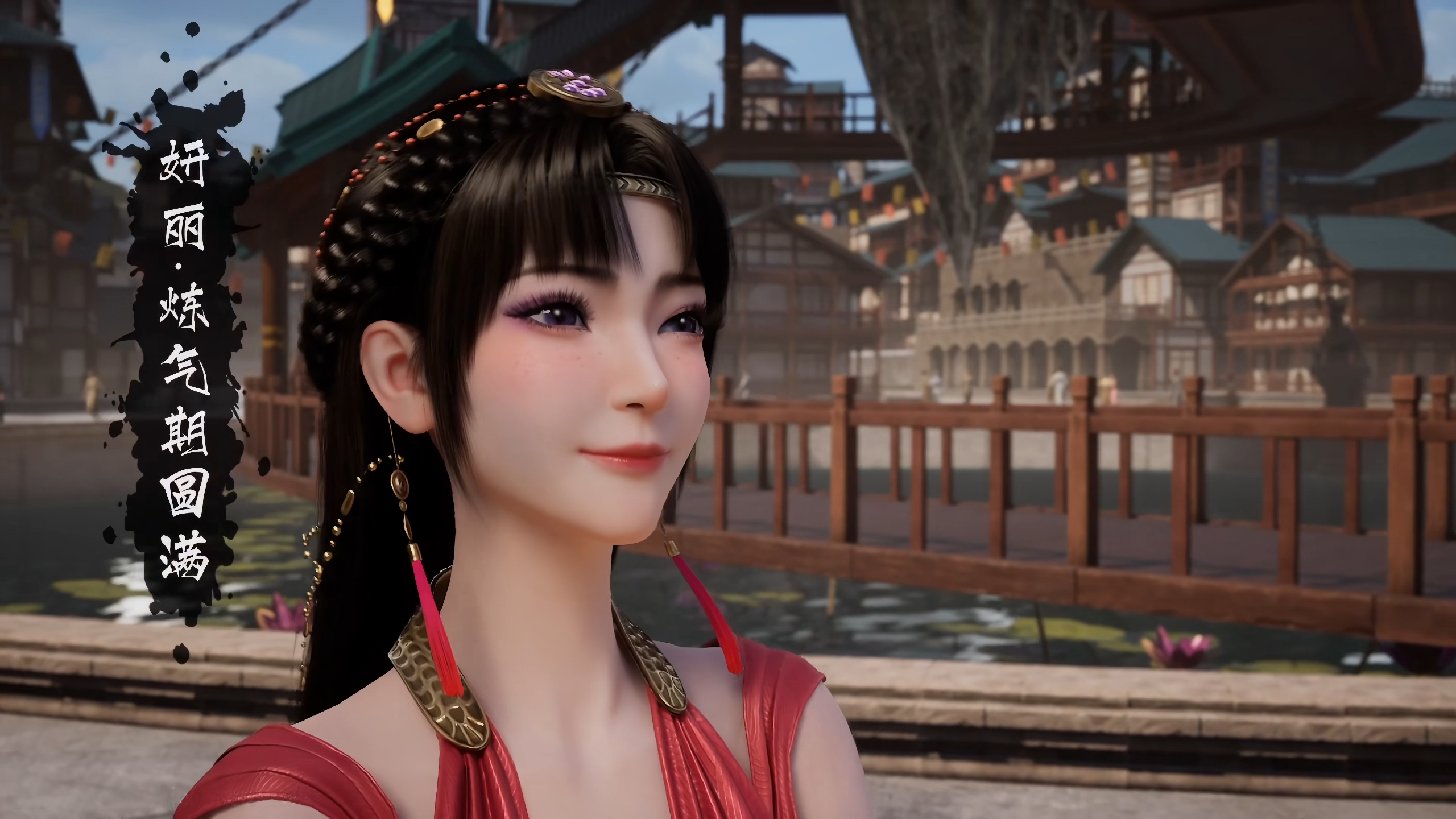
修仙世界的女修们:命运的光谱
一、一个根本性的问题
在讨论《凡人修仙传》中的女性角色之前,我们需要直面一个根本性的问题:在一个以实力为绝对标准的世界里,性别意味着什么?
修仙世界的底层逻辑是"实力即正义"。理论上,一位女修如果达到了化神期甚至更高的境界,她将拥有与同级别男修完全对等的话语权和地位。修仙功法不区分性别,灵根资质不看男女,天道法则面前众生平等。从这个意义上说,修仙世界应该是一个性别最不重要的世界。
但事实并非如此。忘语笔下的修仙世界,在更深层次上复制了父权社会的权力结构——男性修士占据大多数宗门的核心权力位置,女修在高阶修士中的比例明显偏低,双修等概念往往暗含着对女性身体的工具化。这种矛盾本身就值得深入分析。
二、南宫婉:坚韧的代价
南宫婉是全书中与韩立情感线索最深的女性角色。她的修仙之路充满了逆境和牺牲,而她面对这些逆境时展现出的韧性,使她成为全书最立体的女性角色之一。
南宫婉最显著的特质是她的等待。她等待突破瓶颈,等待命运的转机,等待与韩立的重逢。这种等待不是被动的无所事事,而是在不利条件下的主动坚持——她在等待中修炼,在等待中积蓄力量,在等待中寻找机会。
但我们也不应回避一个事实:南宫婉的故事线在相当程度上是围绕韩立展开的。她的喜怒哀乐、她的命运转折,很多时候与韩立的在场或缺席直接相关。这是否削弱了她作为独立角色的完整性?答案是复杂的。一方面,她确实有自己的修炼追求和生存意志;另一方面,叙事给予她的独立空间确实有限。她是一个在有限空间内发挥了最大主动性的角色。
三、紫灵:自由的幻觉
紫灵是全书中最具"独立女性"色彩的角色之一。她行事果决,武力不俗,在与韩立的关系中从不处于被动地位。她敢于单独行动,敢于做出高风险的决策,表现出了修仙者应有的魄力和判断力。
然而,紫灵的"独立"需要被放在更大的语境中审视。她的自由从来不是绝对的——她受制于自身的修为上限,受制于各种势力的角力,受制于修仙世界残酷的生存法则。在这些外部约束面前,她的独立意志虽然可敬,但其实际效力是有上限的。
紫灵的故事提出了一个尖锐的问题:在一个实力决定一切的世界里,一个实力不够强大的人——无论男女——所谓的"自由"和"独立"在多大程度上是真实的?这个问题不仅适用于女修,也适用于所有低阶修士。但当它落在女性角色身上时,性别和权力的交叉效应使问题变得更加复杂。
四、元瑶:悲剧的结构性
元瑶的故事是全书最具悲剧色彩的女性叙事之一。作为阴魂体质的鬼修,她的存在本身就处于修仙世界正统秩序的边缘。她的命运不是某个具体反派造成的,而是整个修仙世界的分类体系和价值等级共同作用的结果。
元瑶的悲剧具有结构性——她不是因为犯了错而受苦,而是因为她的"存在方式"不被主流秩序所接纳。这使她的故事超越了个人命运的层面,触及了修仙世界的制度性歧视问题。鬼修被正道视为异端,被魔道利用为工具,在两大势力的夹缝中艰难求存。元瑶的经历正是这种边缘存在的缩影。
韩立对元瑶的态度颇为耐人寻味。他对她怀有同情和一定程度的尊重,但这种同情从未强烈到让他为她改变自己的计划或承担重大风险。这种"有限的善意",也许比冷漠更能说明修仙世界的本质——不是没有人性,而是人性永远排在生存之后。
五、墨彩环与慕沛灵:功能性的存在
墨彩环和慕沛灵代表了另一类女性角色——她们在叙事中的存在具有明显的"功能性"。墨彩环作为灵界的重要角色,其与韩立的互动更多地服务于情节推进而非角色自身的深度发展。慕沛灵在人界篇中的出现,虽然给韩立的早期经历增添了情感维度,但她作为独立个体的故事空间依然有限。
这不一定是忘语有意为之的性别歧视,更可能是修仙小说这一类型文学的结构性限制。以男性主角为绝对中心的叙事模式,天然地压缩了其他所有角色——包括但不限于女性角色——的发展空间。男性配角同样面临这个问题,只是在女性角色身上,这种压缩与现实世界的性别不平等产生了共振,因此显得格外刺目。
六、凌玉灵与宝花:权力的另一面
凌玉灵和宝花则展现了光谱的另一端——拥有真正权力和地位的女性修士。凌玉灵在灵界的修为和影响力使她能够在一定程度上摆脱性别的桎梏,以接近平等的姿态与男性强者博弈。宝花作为魔族公主般的存在,更是自带权力光环,她的一举一动直接影响着势力格局。
这些高阶女修的存在证明了一个残酷但清晰的事实:在修仙世界中,摆脱性别困境的唯一可靠路径就是获取压倒性的实力。当你的修为足够高,性别就从决定性因素退化为无关紧要的背景信息。但问题在于,能走到这一步的女修少之又少——而她们为什么少,本身就是一个值得追问的问题。
是修仙资质的性别分布真的不均等?还是社会结构性的障碍——资源分配的偏向、门派选拔的偏见、双修文化的消耗——使得女修在攀登的过程中面临更多不可见的阻力?小说没有正面回答这个问题,但通过高阶女修的稀缺性,它默默地提出了这个问题。
七、命运光谱的分析
将所有女性角色并列观察,我们可以看到一道完整的命运光谱:
独立端: 紫灵、宝花、凌玉灵——她们拥有相对的自主权,能够在修仙世界的博弈中作为独立行动者参与。
中间地带: 南宫婉、墨彩环——她们既有自己的追求和意志,又在相当程度上被与男性主角的关系所定义。
被动端: 元瑶、某些昙花一现的女性角色——她们的命运主要由外部力量决定,个人意志的发挥空间极为有限。
这道光谱的分布不是随机的,它与实力高低有着明显的正相关。实力越强的女修,越接近光谱的独立端;实力越弱的女修,越容易滑向被动端。这一规律对男性角色同样适用,但由于修仙世界的权力结构中女性已经处于不利位置,同样的"实力不足"对女修的打击往往更为严重。
八、以强权为尺度的世界
《凡人修仙传》对女性角色的处理,最终折射出的是修仙世界——以及以修仙世界为载体的叙事传统——的核心价值取向:以强权为尺度。在这个尺度下,性别的意义是被实力所调节的变量。当实力足够时,性别消隐;当实力不足时,性别成为放大弱势的因素。
这不是一个令人舒适的结论,但它可能是一个诚实的结论。忘语没有在修仙世界中建构一个虚假的性别平等乌托邦,也没有对女性角色施加刻意的贬低。他展现的是一个在强权逻辑下运行的世界中,女性的多种可能命运——从最好的到最坏的,从最自由的到最受缚的。
这道命运的光谱,是修仙世界给所有弱者的答卷:要么变强,要么被碾碎。没有中间道路,不分男女。只是有些人的起跑线,本就比别人更远一些。
The Female Cultivators of the Immortal World: A Spectrum of Fate
I. A Fundamental Question
Before discussing the female characters of A Record of a Mortal's Journey to Immortality, we must confront a fundamental question: in a world where raw power is the absolute standard, what does gender mean?
The underlying logic of the cultivation world is "might makes right." In theory, a female cultivator who reaches the Deity Transformation stage or higher should wield the same authority and status as any male cultivator of equal rank. Cultivation techniques do not discriminate by gender, spiritual root aptitude is not sex-linked, and the laws of the Heavenly Dao treat all beings equally. By this reasoning, the cultivation world should be a place where gender matters least.
Cultural context: In xianxia fiction, "spiritual roots" (linggen) are the innate aptitude that determines a person's ability to absorb spiritual energy and progress through cultivation stages. They are analogous to innate magical talent — either you have them or you don't.
But reality tells a different story. The cultivation world under Wang Yu's (忘语, the author's pen name) pen replicates patriarchal power structures at a deeper level — male cultivators occupy the core positions of power in most sects, female cultivators are disproportionately underrepresented among high-level practitioners, and concepts like "dual cultivation" often carry implicit objectification of the female body. This contradiction itself deserves careful analysis.
II. Nangong Wan: The Cost of Resilience
Nangong Wan (南宫婉) is the female character with the deepest emotional connection to Han Li (韩立) across the entire novel. Her path of cultivation was filled with adversity and sacrifice, and the tenacity she displayed in the face of these hardships makes her one of the most fully realized female characters in the story.
Nangong Wan's most defining trait is her capacity for waiting. She waited to break through bottlenecks, waited for fate to turn in her favor, waited for her reunion with Han Li. This was not the passive waiting of idleness, but an active persistence under unfavorable conditions — she cultivated while waiting, gathered strength while waiting, and searched for opportunity while waiting.
But we should not shy away from a fact: Nangong Wan's storyline is, to a significant degree, structured around Han Li. Her joys and sorrows, the turning points of her fate, are often directly tied to Han Li's presence or absence. Does this diminish her completeness as an independent character? The answer is complex. On one hand, she genuinely possesses her own cultivation aspirations and survival instincts; on the other, the narrative grants her limited independent space. She is a character who exercised maximal agency within minimal room.
III. Zi Ling: The Illusion of Freedom
Zi Ling (紫灵) is one of the most overtly "independent woman" figures in the entire novel. She acts decisively, possesses formidable combat ability, and never occupies a passive position in her relationship with Han Li. She dares to act alone, dares to make high-risk decisions, and displays the boldness and judgment befitting a true cultivator.
However, Zi Ling's "independence" must be examined within a larger context. Her freedom was never absolute — she was constrained by the ceiling of her own cultivation level, by the power struggles of various factions, and by the brutal survival rules of the cultivation world. Against these external constraints, her independent will, though admirable, had a definite upper limit on its practical effectiveness.
Zi Ling's story poses a sharp question: in a world where power determines everything, to what extent is the "freedom" and "independence" of someone who isn't powerful enough — regardless of gender — actually real? This question applies not only to female cultivators but to all lower-ranked cultivators. Yet when it falls upon a female character, the intersecting effects of gender and power make the question considerably more complex.
IV. Yuan Yao: The Structural Nature of Tragedy
Yuan Yao's (元瑶) story is one of the most tragic female narratives in the entire novel. As a ghost cultivator with a Yin Spirit Constitution, her very existence placed her at the margins of the cultivation world's orthodox order. Her fate was not caused by any specific villain, but was the combined result of the cultivation world's classification systems and value hierarchies.
Cultural context: "Ghost cultivation" (guixiu) is a practice in Chinese fantasy fiction where practitioners follow the path of Yin energy and the dead rather than the orthodox Yang-based cultivation methods. Ghost cultivators are typically marginalized in the same way necromancers might be viewed in Western fantasy — treated with suspicion, fear, and institutional hostility.
Yuan Yao's tragedy is structural — she suffers not because she made mistakes, but because her "mode of existence" is not accepted by the mainstream order. This elevates her story beyond the level of individual fate, touching on systemic discrimination within the cultivation world. Ghost cultivators are viewed as heretics by the righteous sects and exploited as tools by the demonic factions, surviving precariously in the cracks between two great powers. Yuan Yao's experience is the epitome of this marginal existence.
Han Li's attitude toward Yuan Yao is worth pondering. He harbored sympathy and a degree of respect for her, but this sympathy was never strong enough to make him alter his plans or assume significant risks on her behalf. This "limited goodwill" may say more about the cultivation world's true nature than outright cruelty — it is not that humanity is absent, but that humanity always ranks below survival.
V. Mo Caihuan and Mu Peiling: Functional Existences
Mo Caihuan (墨彩环) and Mu Peiling (慕沛灵) represent another category of female character — their presence in the narrative serves clearly "functional" purposes. Mo Caihuan, as a significant character in the Spirit Realm Arc, interacts with Han Li in ways that primarily serve plot advancement rather than her own character depth. Mu Peiling's appearance in the Mortal Realm Arc adds an emotional dimension to Han Li's early experiences, but her space as an independent individual remains limited.
This is not necessarily deliberate sexism on the author's part, but more likely a structural limitation of cultivation fiction as a genre. A narrative mode that centers absolutely on the male protagonist naturally compresses the development space of all other characters — including but not limited to female characters. Male supporting characters face the same issue, but when it occurs with female characters, the compression resonates with real-world gender inequality, making it particularly glaring.
VI. Ling Yuling and Baohua: The Other Side of Power
Ling Yuling (凌玉灵) and Baohua (宝花) show the opposite end of the spectrum — female cultivators who possess genuine power and status. Ling Yuling's cultivation level and influence in the Spirit Realm allowed her to shed the shackles of gender to a certain extent, engaging with male powerhouses on near-equal footing. Baohua, as a being akin to a demonic princess, carried an innate aura of authority — her every move directly affected the balance of power among factions.
Cultural context: In xianxia hierarchies, "Sacred Ancestor" (shengzu) represents a pinnacle-level existence. Baohua's status as a Sacred Ancestor-level being in the demon race places her among the supreme powers of the Spirit Realm — comparable to a god-tier character in Western fantasy.
The existence of these high-level female cultivators proves a cruel but clear truth: in the cultivation world, the only reliable path out of gender-based disadvantage is to acquire overwhelming power. When your cultivation is high enough, gender fades from a determining factor to irrelevant background information. But the problem is that very few female cultivators manage to reach this level — and why they are so few is itself a question worth pursuing.
Is there truly a gender-based imbalance in cultivation aptitude? Or do structural social barriers — biased resource distribution, sect selection prejudices, the drain of dual cultivation practices — create additional invisible resistance for female cultivators climbing the ranks? The novel does not directly answer this question, but through the scarcity of high-level female cultivators, it silently raises it.
VII. Analyzing the Spectrum of Fate
When we observe all the female characters side by side, a complete spectrum of fate emerges:
The Independent End: Zi Ling, Baohua, Ling Yuling — they possess relative autonomy and participate in the cultivation world's power struggles as independent actors.
The Middle Ground: Nangong Wan, Mo Caihuan — they have their own pursuits and will, yet are defined to a considerable degree by their relationships with the male protagonist.
The Passive End: Yuan Yao, and certain fleeting female characters — their fates are primarily determined by external forces, with extremely limited space for personal agency.
The distribution of this spectrum is not random — it correlates clearly with power level. The stronger the female cultivator, the closer she is to the independent end; the weaker, the more easily she slides toward the passive end. This pattern applies to male characters as well, but because the cultivation world's power structure already places women at a disadvantage, the same "insufficient power" often strikes female cultivators harder.
VIII. A World Measured by Might
A Record of a Mortal's Journey to Immortality's handling of its female characters ultimately reflects the core value system of the cultivation world — and of the narrative tradition that uses the cultivation world as its vehicle: might as the measure of all things. Under this standard, the significance of gender is a variable modulated by power. When power is sufficient, gender fades away; when power is insufficient, gender becomes a factor that amplifies vulnerability.
This is not a comfortable conclusion, but it may be an honest one. Wang Yu did not construct a false utopia of gender equality within the cultivation world, nor did he subject female characters to deliberate degradation. What he presented is the range of possible fates for women in a world governed by the logic of power — from the best to the worst, from the most free to the most constrained.
This spectrum of fate is the cultivation world's answer to all who are weak: become strong, or be crushed. There is no middle path, regardless of gender. It is only that some people's starting lines were always further back than others.