大结局的三种解读
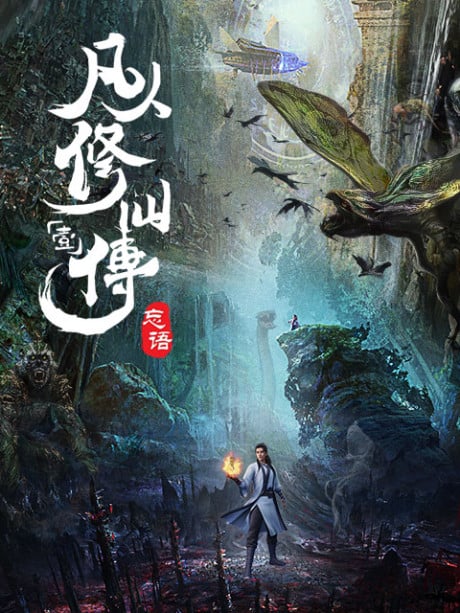
一部长达数百万字的史诗,它的结局承载着全部叙事的重量。《凡人修仙传》仙界篇的大结局在读者群体中引发了持续至今的讨论——有人觉得圆满,有人觉得遗憾,有人觉得意味深长。本文将从三个不同的解读框架出发,试图揭示这个结局的多重面向。
注意:本文包含仙界篇结局的重要剧透。
第一种解读:乐观主义——凡人终成仙
核心观点
从最直接的角度来看,韩立的故事是一个完满的成功叙事。一个出身贫苦、资质平庸的山村少年,凭借不懈的努力、过人的智慧和难得的机缘,最终站在了修仙世界的巅峰。他突破了一个又一个看似不可能的瓶颈,战胜了一个又一个强大的对手,最终实现了"凡人修仙"这一近乎不可能的壮举。
文本证据
支持乐观解读的证据是充分的。韩立在仙界的成就有目共睹——他的修为达到了令人仰望的高度,他所建立的势力和人脉为他提供了稳固的根基。更重要的是,他在漫长的修仙路上并没有完全失去人性的温度:他始终惦记着南宫婉,始终对昔日的恩义保持着回报之心,始终没有为了力量而泯灭良知。
在这种解读下,韩立的故事是一曲凡人逆天改命的赞歌。忘语用数百万字证明了一个朴素的道理:即便起点再低、道路再艰,只要不放弃,就有可能到达不可思议的高度。
支撑这种解读的深层逻辑
"凡人修仙传"的书名本身就暗示了乐观的叙事走向——"凡人"能"修仙",这四个字就是最大的希望。忘语在创作伊始就选择了一个资质平庸的主角,这本身就是对读者的一个承诺:我要讲的是一个普通人也能成功的故事。如果结局不是成功的,那这个故事的核心命题就不成立了。
第二种解读:苦涩主义——代价与失去
核心观点
然而,如果我们不只看韩立达到的高度,而是关注他为此付出的代价,整个故事的色调就会变得截然不同。韩立的修仙之路,本质上是一条不断失去的道路。
文本证据
让我们盘点韩立在修仙路上失去了什么:
失去了凡人的生活。 他离开家乡时还是一个孩子,此后再也没有真正回到过那个世界。他的父母、兄弟在他修炼的漫长岁月中早已化为尘土。他甚至没有来得及与他们好好告别。
失去了正常的情感体验。 修仙者的寿命以百年计、千年计,这意味着与凡人之间的情感联系注定是短暂的。韩立的几段感情经历都带有深深的无奈——南宫婉与他聚少离多,其他红颜知己或寿命有限、或因故分离。即便最终得以重聚,漫长的分别本身就是一种残忍。
失去了同行者。 修仙路上,韩立结交过无数同道,但能够与他走到最后的寥寥无几。大多数人不是在战斗中陨落,就是因修为差距而逐渐淡出他的世界。到了仙界,韩立身边的熟面孔已经屈指可数。每一次回首,身后都多了几个空位。
失去了"凡人"的身份。 这或许是最深刻的失去。修仙意味着超越凡人,但超越的过程也意味着与凡人世界的渐行渐远。站在仙界之巅的韩立,还是当年那个在山村里仰望星空的少年吗?
支撑这种解读的深层逻辑
在这种解读下,大结局的"圆满"是带引号的。韩立确实达到了修为的巅峰,但他为此支付了一生的孤独和无数的离别。这不是一个纯粹的成功故事,而是一个关于"代价"的故事——每一步攀登都对应着一份失去,每一次突破都意味着与旧世界的进一步割裂。
忘语在全书中反复渲染的那种"韩立独自在洞府中修炼,窗外是无尽的星空"的场景,恰恰是这种苦涩的视觉化呈现。孤独不是修仙的副作用,而是修仙的本质。
第三种解读:悲剧主义——永恒的囚徒
核心观点
最极端也最发人深省的解读是:韩立的"成功"本身就是一个悲剧。他不是在追求自由,而是在一条永远没有终点的道路上越走越远。
文本证据
修仙世界的残酷逻辑在于:没有任何境界是终点。突破到金丹还有元婴,元婴之上有化神,化神之上有炼虚、合体、大乘……即便飞升仙界,仙界之上还有更高的层次。每一次"功成"都不过是下一段苦修的起点。
韩立在整个故事中从未真正"停下来"过。他没有享受过一段悠长而安逸的时光。即便在所谓的"和平时期",他也在疯狂地修炼、收集资源、为下一次突破做准备。这种永不停歇的状态,与其说是主动的追求,不如说是一种被迫的挣扎——因为停下来就意味着被追上,被追上就意味着危险,甚至死亡。
支撑这种解读的深层逻辑
在这种解读框架下,修仙世界本身就是一个精心设计的"陷阱"。它用"长生"和"力量"作为诱饵,引诱凡人踏上一条永远无法回头的道路。修士以为自己在追求自由,实际上却越来越深地陷入了"必须变强"的无限循环中。
韩立从一开始被迫加入七玄门,就已经失去了选择的权利。此后的每一步"选择",看似是他主动做出的决定,实际上都是在"变强或死亡"的二元框架中被迫做出的反应。他从来不是在"追求"什么,而是在"逃避"——逃避弱者必然面临的灭顶之灾。
大结局中韩立达到的高度,在这种解读下不过是"囚笼"的扩大——他的牢笼从七玄门扩大到天南、从天南扩大到灵界、从灵界扩大到仙界,但无论牢笼多大,本质上他仍然是那个被困在修仙体系中的"凡人"。
三种解读的交汇点
有趣的是,这三种看似矛盾的解读并不是互斥的,而是同一枚硬币的不同面。韩立的故事既是成功的(他确实达到了常人无法企及的高度),也是苦涩的(他为此付出了常人难以承受的代价),也是悲剧性的(他永远无法真正"停下来")。
忘语的高明之处在于,他没有强迫读者接受任何一种单一的解读。大结局的开放性恰到好处——它给了乐观读者足够的希望,给了悲观读者足够的深意,也给了哲学倾向的读者足够的思考空间。
最终的问题
或许,关于大结局最重要的问题不是"韩立成功了吗",而是"什么叫成功"。
如果成功意味着变强,韩立无疑是成功的。如果成功意味着幸福,答案就变得暧昧不清。如果成功意味着自由——真正的、完全的自由——那么没有任何修仙者是成功的,包括韩立。
这就是《凡人修仙传》大结局的最深层魅力:它不给你答案,它给你问题。而这些问题,不仅仅关乎一个虚构的修仙世界,也关乎我们每个人正在行走的、那条叫做"人生"的道路。
追求本身是否就是目的?还是追求只有在到达终点时才有意义?如果没有终点,追求还值得吗?
忘语把这些问题留给了每一位读者。你的答案,就是你心目中的结局。
Three Interpretations of the Grand Finale
An epic spanning millions of words -- its ending carries the weight of the entire narrative. The grand finale of the Immortal Realm Arc (仙界篇) of A Record of a Mortal's Journey to Immortality has sparked debate among readers that continues to this day. Some find it satisfying, others feel it leaves something wanting, and still others find it profoundly meaningful. This article approaches the ending through three different interpretive frameworks, attempting to reveal its many facets.
Note: This article contains major spoilers for the Immortal Realm Arc's ending.
The First Reading: Optimism -- A Mortal Who Finally Became Immortal
Core Argument
From the most straightforward perspective, Han Li's (韩立) story is a complete success narrative. A boy from a poor mountain village with mediocre talent, through relentless effort, exceptional wisdom, and rare fortune, ultimately stood at the pinnacle of the cultivation world. He broke through one seemingly impossible bottleneck after another, defeated one powerful adversary after another, and finally achieved the near-impossible feat of a mortal ascending to immortality.
Textual Evidence
The evidence supporting an optimistic reading is abundant. Han Li's achievements in the Immortal Realm speak for themselves -- his cultivation reached awe-inspiring heights, and the alliances and connections he forged provided a solid foundation. More importantly, across the long road of cultivation, he never fully lost his human warmth: he never stopped thinking of Nangong Wan (南宫婉), he always honored debts of gratitude from the past, and he never sacrificed his conscience for power.
Under this reading, Han Li's story is a hymn to a mortal who defied fate. Wang Yu (忘语) spent millions of words proving a simple truth: no matter how low the starting point or how treacherous the road, as long as one never gives up, reaching unimaginable heights remains possible.
The Deeper Logic Behind This Reading
The novel's title itself -- A Record of a Mortal's Journey to Immortality -- implies an optimistic narrative trajectory. A "mortal" can "cultivate to immortality" -- those four characters in Chinese (凡人修仙) are the ultimate expression of hope. Wang Yu chose a protagonist of mediocre aptitude from the very beginning, which was itself a promise to readers: I am going to tell the story of an ordinary person who can still succeed. If the ending were not a success, the story's core thesis would collapse.
The Second Reading: Bittersweet Realism -- The Price of Ascension
Core Argument
However, if we look not just at the heights Han Li reached but at the price he paid, the entire story takes on a very different hue. Han Li's path of cultivation is, at its heart, a road of continuous loss.
Textual Evidence
Let us tally what Han Li lost along the cultivation path:
He lost the life of a mortal. He left home as a child and never truly returned to that world. His parents, his brothers -- all turned to dust across the long centuries of his cultivation. He never even had the chance to say a proper goodbye.
He lost the capacity for normal emotional connection. A cultivator's lifespan is measured in centuries and millennia, meaning emotional bonds with mortals are destined to be fleeting. Each of Han Li's romantic relationships carries deep helplessness -- Nangong Wan and he spent far more time apart than together; other women he cared for were limited by lifespan or separated by circumstance. Even when reunions finally came, the long years of separation were themselves a form of cruelty.
He lost his companions. Along the cultivation road, Han Li befriended countless fellow travelers, but vanishingly few could walk with him to the end. Most either fell in battle or gradually faded from his world due to the widening gap in cultivation. By the time he reached the Immortal Realm, familiar faces could be counted on one hand. Each time he looked back, there were more empty seats behind him.
He lost his identity as a "mortal." This may be the most profound loss of all. Cultivation means transcending mortality, but the process of transcendence also means drifting ever further from the mortal world. Standing at the summit of the Immortal Realm, is Han Li still the boy who once gazed up at the stars from his mountain village?
The Deeper Logic Behind This Reading
Under this reading, the finale's "fulfillment" belongs in quotation marks. Han Li did reach the pinnacle of cultivation, but he paid for it with a lifetime of solitude and countless partings. This is not a pure success story, but a story about "the cost" -- every step of the climb corresponds to a loss, every breakthrough means a further severing from the old world.
The recurring image Wang Yu paints throughout the novel -- "Han Li cultivating alone in his cave dwelling, the endless starry void outside the window" -- is precisely the visual embodiment of this bittersweet truth. Loneliness is not a side effect of cultivation; it is the very essence of it.
The Third Reading: Tragic Existentialism -- The Eternal Prisoner
Core Argument
The most extreme yet most thought-provoking reading is this: Han Li's "success" is itself a tragedy. He was never pursuing freedom -- he was traveling ever further down a road that has no end.
Textual Evidence
The cruel logic of the cultivation world is this: no realm is the finish line. Beyond Core Formation lies Nascent Soul; beyond Nascent Soul, Deity Transformation; beyond that, Void Refinement, Body Integration, Grand Ascension... Even after ascending to the Immortal Realm, there are still higher levels above. Every "achievement" is merely the starting point of the next grueling stretch.
Han Li never truly "stopped" at any point in the entire story. He never enjoyed a long period of ease and comfort. Even in so-called "peaceful times," he was feverishly cultivating, gathering resources, and preparing for the next breakthrough. This state of perpetual restlessness -- rather than an active pursuit -- is more accurately described as a forced struggle. To stop means being overtaken; to be overtaken means danger, even death.
The Deeper Logic Behind This Reading
Under this framework, the cultivation world itself is an elaborately designed "trap." It uses "immortality" and "power" as bait, luring mortals onto a road from which there is no return. Cultivators believe they are pursuing freedom, but in reality they are sinking ever deeper into the infinite loop of "must grow stronger."
From the moment Han Li was coerced into joining the Seven Mysteries Sect (七玄门), he had already lost the right to choose. Every subsequent "choice" -- seemingly made of his own volition -- was actually a forced reaction within the binary framework of "grow stronger or die." He was never "pursuing" anything; he was "fleeing" -- fleeing the destruction that inevitably befalls the weak.
The height Han Li reaches in the finale, under this reading, is merely an expansion of his cage. His prison grew from the Seven Mysteries Sect to the Heavenly South, from the Heavenly South to the Spirit Realm, from the Spirit Realm to the Immortal Realm. But no matter how large the cage, he remains in essence that same "mortal" trapped within the cultivation system.
Where the Three Readings Converge
Fascinatingly, these three seemingly contradictory readings are not mutually exclusive -- they are different faces of the same coin. Han Li's story is simultaneously a success (he reached heights no ordinary person could dream of), bittersweet (he paid a price no ordinary person could bear), and tragic (he can never truly "stop").
Wang Yu's brilliance lies in his refusal to force any single reading upon the audience. The finale's openness is calibrated perfectly -- it gives optimistic readers enough hope, pessimistic readers enough depth, and philosophically inclined readers enough to contemplate.
The Ultimate Question
Perhaps the most important question about the grand finale is not "did Han Li succeed?" but "what does success mean?"
If success means growing powerful, Han Li succeeded without question. If success means happiness, the answer becomes ambiguous. If success means freedom -- true, complete freedom -- then no cultivator has succeeded, Han Li included.
This is the deepest allure of the grand finale of A Record of a Mortal's Journey to Immortality: it does not give you answers; it gives you questions. And these questions extend beyond a fictional cultivation world to the road each of us walks -- the one called "life."
Is the pursuit itself the purpose? Or does pursuit only have meaning when one reaches the destination? If there is no destination, is the pursuit still worthwhile?
Wang Yu left these questions for every reader. Your answer is the ending in your heart.