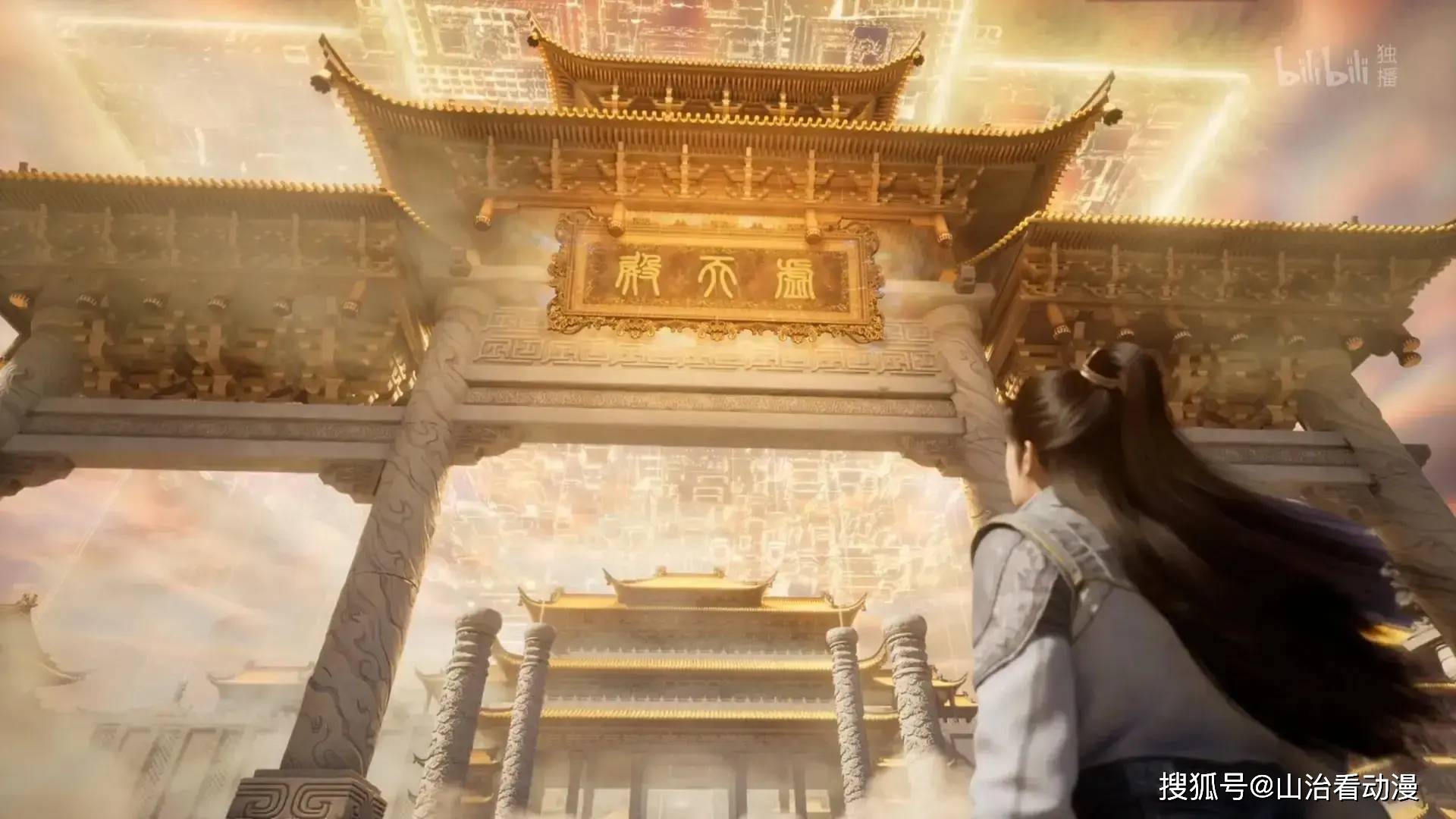
引言:修仙小说的"副本"传统
在网络修仙小说的叙事语法中,"秘境"是一个不可或缺的基础模块。但凡人修仙传对秘境的运用远非简单的"打怪升级刷宝",忘语赋予了每一个秘境独特的世界观意义和叙事功能。从韩立初入修仙界时的血色试炼到灵界的小灵天,秘境始终是推动情节转折和角色蜕变的关键场域。
秘境的世界观定位
上古文明的遗迹
凡人修仙传中的大部分秘境都有明确的来历——它们是上古修士或强大存在留下的遗迹空间。虚天殿是上古修士的洞府遗址,坠魔谷曾是远古大战的战场,昆吾山更是封印着上古魔物的禁地。
这种设定传递了一个重要的世界观信息:当前的修仙文明并非顶峰,而是衰落后的残存。上古修士的实力远超当代,他们留下的秘境中随便一件遗宝都可能改变当代修仙界的格局。这种"文明退行"的设定为整个世界观增添了历史厚重感,也为韩立的不断突破提供了"发掘遗产"的合理路径。
独立的空间法则
秘境的另一个重要特征是它们拥有独立于外界的空间法则。有些秘境时间流速不同,有些灵气浓度异常,有些甚至有独立的天象和生态系统。这种设定不仅增加了探险的悬念,更在世界观层面暗示了空间法则的多样性——修仙界并非只有一套物理规则,不同的空间可以有不同的"自然法则"。
这为后续韩立进入灵界、魔界等更高维度的世界做了铺垫。如果秘境中就能存在不同的空间法则,那不同界域之间的法则差异就更加合理了。
核心秘境分析
虚天殿:修仙新手的第一次试炼
虚天殿是韩立修仙生涯早期进入的重要秘境之一。对当时处于炼气、筑基阶段的韩立来说,虚天殿是一次跨越式的挑战。
从叙事功能来看,虚天殿完成了几个关键任务:展示了修仙界"弱肉强食"的底层规则(多方势力争夺有限资源);让韩立首次在宗门体系之外面对生死考验;为韩立获取关键资源(功法、灵药、法宝)提供了合理途径。虚天殿类似于一个"教学关卡",让读者和主角同步理解修仙界更广阔的运作方式。
坠魔谷:转折与蜕变的场域
坠魔谷在凡人修仙传中具有极其重要的地位。韩立在坠魔谷中的经历涉及多条关键情节线的交汇——南宫候的真实面目在此揭露,韩立获得了关键性的修炼资源和机缘,多位重要角色的命运在此产生了不可逆的转折。
坠魔谷的世界观设计也极具巧思。它并非简单的宝藏洞穴,而是一个有着完整生态的远古空间。谷内的妖兽、灵药、禁制层层嵌套,形成了一个微缩的修仙世界。南宫候精心策划的探险之旅最终演变为多方混战,恰恰体现了秘境中利益冲突的不可控性。
从叙事角度分析,坠魔谷是韩立从"被动应对"到"主动谋划"的转折点。在此之前,韩立的许多冒险是被动卷入的;在此之后,他开始更加主动地规划自己的修炼路径和资源获取策略。坠魔谷中的背叛和危机教会了他一个残酷的道理——在利益面前,任何盟友都可能变成敌人。
昆吾山:秘境叙事的巅峰
昆吾山大战是凡人修仙传人界篇中最宏大的秘境叙事。与之前的秘境不同,昆吾山的规模和参与者数量达到了空前的级别——正道、魔道、散修、妖族多方势力齐聚,各怀目的。
昆吾山的世界观功能极为丰富:它是上古封印的载体(连接了远古历史与当代冲突),是多方势力博弈的竞技场(展示了修仙界的政治生态),也是韩立个人修为飞跃的催化剂。更重要的是,昆吾山的开启本身就暗示了修仙界底层法则的变动——封印的削弱意味着天地灵气的变化,这为后续的灵界篇做了叙事铺垫。
秘境的叙事功能模型
功能一:压缩冲突
秘境的封闭空间天然地压缩了冲突强度。在开放世界中,修士之间的矛盾可以通过回避来缓解;但在秘境中,有限的空间和资源迫使各方正面对抗。这种"密室效应"极大地提升了叙事张力。
功能二:打破等级壁垒
秘境中的禁制和特殊规则可以暂时打破修为等级的绝对优势。修为更高的修士可能因为不熟悉秘境机关而陷入被动,修为较低的修士则可能凭借灵活应变获得意外收获。这为韩立以弱胜强提供了合理的叙事空间。
功能三:信息揭示
每个秘境都是一个信息宝库。通过探索秘境中的壁画、玉简、禁制,韩立(和读者)得以了解上古历史、高阶功法、珍稀材料等关键信息。秘境是忘语展开世界观的重要叙事窗口——它不是通过角色对话来"讲述"历史,而是通过实地探索来"发现"历史。
功能四:角色考验
秘境是角色展示真实本性的场所。平日里温文尔雅的修士可能在利益面前露出獠牙,看似懦弱的角色可能在生死关头爆发出惊人的勇气。南宫候在坠魔谷中的行为就是最典型的案例——秘境剥去了日常社交的伪装,暴露了人性的底色。
灵界秘境:规模的升维
韩立进入灵界后,秘境的规模和复杂度大幅提升。灵界的秘境不再是单纯的上古遗迹,有些本身就是一个完整的小世界,拥有独立的日月星辰和生态循环。这种升维既是世界观的自然延伸,也为更加宏大的叙事提供了舞台。
结语:空间叙事的艺术
秘境在凡人修仙传中绝非可有可无的"副本"填充,而是承载了世界观构建、情节推进、角色塑造等多重功能的核心叙事装置。忘语对秘境的运用展示了一种独特的"空间叙事"技巧——通过创造特殊的空间环境来催生特殊的人物关系和情节走向。每一个秘境都是一面棱镜,折射出修仙界这个宏大世界的不同侧面。
Introduction: The "Dungeon Instance" Tradition of Cultivation Novels
In the narrative grammar of Chinese web cultivation novels, the "secret realm" (秘境, mìjìng) is an indispensable structural element. But the use of secret realms in A Record of a Mortal's Journey to Immortality goes far beyond simple "monster-slaying, level-grinding, loot-collecting." The author Wang Yu (忘语) imbues each secret realm with unique worldbuilding significance and narrative purpose. From the Blood Trial in Han Li's (韩立) early days as a cultivator to the Small Spirit Heaven (小灵天) in the Spirit Realm, secret realms consistently serve as the critical arenas that catalyze plot turning points and character transformation.
Cultural Context: In Chinese web novel parlance, secret realms are often informally called "副本" (fuben), literally "copies" — borrowing the MMORPG term "instance dungeon." This reflects the gaming-influenced vocabulary of the Chinese web novel community, though the literary function of secret realms in quality xianxia fiction far exceeds their gaming analogue.
The Worldbuilding Role of Secret Realms
Remnants of Ancient Civilizations
Most secret realms in the novel have clear origins — they are relic spaces left behind by ancient cultivators or powerful beings. The Xu Tian Dian (虚天殿, "Void Heavens Palace") is the ruined cave dwelling of an ancient cultivator, Devilfall Valley (坠魔谷) was once a primordial battlefield, and Kunwu Mountain (昆吾山) is a forbidden ground sealing ancient demon creatures.
This setting conveys a crucial worldbuilding message: the current cultivation civilization is not at its peak but rather the diminished remnant of a decline. Ancient cultivators' power far surpassed that of the present day, and even a casual relic within their secret realms might reshape the entire modern cultivation world. This "civilizational regression" premise lends the world a sense of historical weight and gravitas, while providing Han Li's continuous breakthroughs with a plausible path of "unearthing ancestral legacies."
Cultural Context: The idea of a "declining age" echoes the Buddhist concept of mofa (末法, "End of Dharma") — a degenerate era when spiritual practice becomes harder. In xianxia fiction, this often manifests as spiritual energy gradually thinning across the ages, making it harder for each successive generation to reach the heights of their predecessors.
Independent Spatial Laws
Another key feature of secret realms is that they possess spatial laws independent from the outside world. Some have different flows of time, others have unusual concentrations of spiritual energy, and some even have independent celestial phenomena and ecosystems. This design not only heightens the suspense of exploration but also implies at a worldbuilding level the diversity of spatial laws — the cultivation world does not operate under a single set of physical rules; different spaces can have different "natural laws."
This lays the groundwork for Han Li's later entry into the Spirit Realm, the Demon Realm, and other higher-dimensional worlds. If divergent spatial laws can exist within a secret realm, then even greater disparities between different realms become entirely logical.
Analysis of Key Secret Realms
Xu Tian Dian (虚天殿): A Novice Cultivator's First Trial
The Xu Tian Dian (Void Heavens Palace) is one of the significant secret realms Han Li enters early in his cultivation career. For Han Li, who was at the Qi Condensation and Foundation Establishment stages at the time, the Xu Tian Dian represented a quantum leap in challenge.
From a narrative function standpoint, the Xu Tian Dian accomplishes several critical tasks: it showcases the cultivation world's underlying rule of "the strong devour the weak" (multiple factions competing for finite resources); it provides Han Li his first life-or-death trials outside the sect system; and it gives Han Li a plausible means to acquire key resources (techniques, spirit herbs, magical treasures). The Xu Tian Dian functions as a "tutorial level," allowing both readers and the protagonist to simultaneously grasp the broader workings of the cultivation world.
Devilfall Valley (坠魔谷): Arena of Transformation
Devilfall Valley holds an extraordinarily important position in the novel. Han Li's experiences within the valley involve the convergence of multiple critical plot threads — the true nature of Marquis Nanlong (南宫候, Nangong Hou) is revealed here, Han Li obtains pivotal cultivation resources and opportunities, and the fates of several important characters undergo irreversible turning points.
The worldbuilding design of Devilfall Valley is also remarkably clever. It is not a simple treasure cave but a primordial space with a complete ecosystem. Demon beasts, spirit herbs, and sealing formations within the valley are layered in nested arrangements, forming a miniature cultivation world. The carefully planned expedition that Marquis Nanlong orchestrated ultimately devolves into a multi-faction melee — perfectly illustrating the uncontrollable nature of interest conflicts within secret realms.
From a narrative perspective, Devilfall Valley marks the transition point where Han Li shifts from "reactive response" to "proactive planning." Before this, many of Han Li's adventures were situations he was passively drawn into; afterward, he begins to more actively plan his cultivation path and resource acquisition strategies. The betrayals and crises within Devilfall Valley taught him a cruel truth — in the face of profit, any ally can become an enemy.
Kunwu Mountain (昆吾山): The Pinnacle of Secret Realm Narrative
The Battle of Kunwu Mountain is the most magnificent secret realm narrative in the Mortal Realm arc. Unlike previous secret realms, Kunwu Mountain's scale and number of participants reached unprecedented levels — righteous sects, devil sects, loose cultivators, and demon beasts all converged, each with their own agenda.
Kunwu Mountain's worldbuilding functions are extraordinarily rich: it serves as a vessel for ancient seals (connecting primordial history with contemporary conflict), a competitive arena for multi-faction maneuvering (showcasing the cultivation world's political ecology), and a catalyst for Han Li's personal cultivation leap. More importantly, the very opening of Kunwu Mountain implies shifts in the cultivation world's fundamental laws — the weakening of seals signals changes in heaven-and-earth spiritual energy, providing narrative foreshadowing for the subsequent Spirit Realm arc.
The Narrative Function Model of Secret Realms
Function One: Conflict Compression
The enclosed space of a secret realm naturally compresses conflict intensity. In the open world, tensions between cultivators can be mitigated through avoidance; but within a secret realm, limited space and resources force all parties into direct confrontation. This "locked room effect" dramatically heightens narrative tension.
Function Two: Breaking Level Hierarchies
The sealing formations and special rules within secret realms can temporarily break the absolute advantage of cultivation rank. Higher-ranked cultivators may find themselves at a disadvantage due to unfamiliarity with the realm's mechanisms, while lower-ranked cultivators may achieve unexpected gains through quick thinking and adaptability. This provides a plausible narrative framework for Han Li's recurring pattern of defeating opponents above his level.
Function Three: Information Revelation
Each secret realm is an information treasure trove. Through exploring murals, jade slips (yujian — jade tablets used to record information), and sealing formations within a secret realm, Han Li (and readers) learn about ancient history, advanced cultivation techniques, rare materials, and other critical information. Secret realms are a vital narrative window through which the author expands the world — rather than "telling" history through character dialogue, it is "discovered" through physical exploration.
Function Four: Character Testing
Secret realms are arenas where characters reveal their true natures. A cultivator who is gentle and refined in daily life may bare their fangs when treasure is at stake; a seemingly timid character may display astonishing courage at the brink of death. Marquis Nanlong's behavior in Devilfall Valley is the quintessential case — the secret realm strips away the masks of everyday social convention, exposing the bedrock of human nature.
Spirit Realm Secret Realms: A Dimensional Upgrade
After Han Li enters the Spirit Realm, the scale and complexity of secret realms escalate dramatically. Spirit Realm secret realms are no longer mere ancient ruins; some are complete miniature worlds with their own suns, moons, stars, and ecological cycles. This dimensional upgrade is both a natural extension of the worldbuilding and a stage for even more epic narratives.
Conclusion: The Art of Spatial Storytelling
Secret realms in A Record of a Mortal's Journey to Immortality are far from disposable "dungeon instances" — they are core narrative devices that carry worldbuilding construction, plot advancement, and character development. Wang Yu's deployment of secret realms demonstrates a distinctive technique of "spatial storytelling" — creating extraordinary spatial environments to catalyze extraordinary character dynamics and plot trajectories. Each secret realm is a prism, refracting a different facet of the magnificent cultivation world.