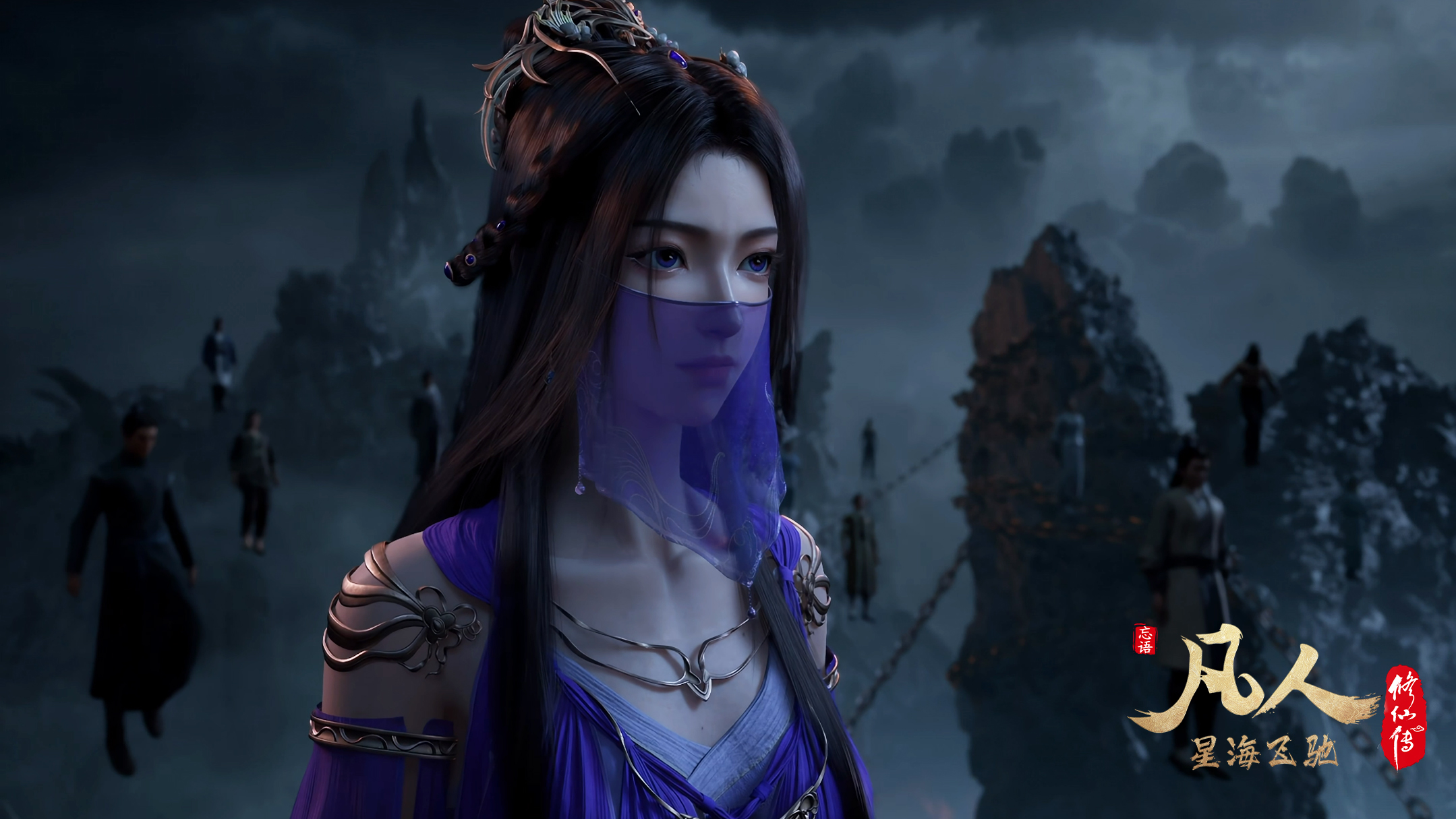
人妖魔三族大战始末
序章:灵界的火药桶
灵界不同于人界的相对平静。在这片广袤无垠的高阶世界中,人族、妖族与魔族三大种族鼎足而立,形成了一种脆弱的平衡。这种平衡并非和平——它更像是三方都在等待对方露出破绽的冷战。韩立飞升灵界之后,正是亲身卷入了这场波及整个灵界的种族大战之中,也正是在这场战争中,他完成了从化神期修士到合体期巨擘的蜕变。
三族格局:为何战争不可避免
人族:数量优势与内部分裂
灵界人族修士数量众多,占据了灵界最为富饶的中心地带。人族的优势在于修炼体系的完善和法宝炼制技术的精湛,但致命弱点是内部派系林立、缺乏统一指挥。各大超级宗门各自为政,彼此之间既有合作也有竞争,这种分裂状态在和平时期尚可维持,但在战争来临时就成了巨大的隐患。
人族在灵界的核心领地包括数个大洲,拥有多位大乘期老祖坐镇。然而,大乘期强者之间的微妙平衡和利益纠葛,使得人族在战略决策上往往反应迟缓。
妖族:血脉传承与天赋优势
妖族在灵界占据着面积同样广大的领地。妖族修士的特点是个体实力强悍——高阶妖兽的肉身之强往往远超同阶人族修士。妖族的传承方式也与人族不同,它们更依赖血脉中蕴含的本能和族群记忆,而非系统性的知识教育。
妖族的社会结构相对简单,以实力为尊,强者说了算。这种结构在战争时期反而成了优势——决策链条短,动员速度快。但妖族也有自身的问题:种族众多,各族之间并非铁板一块,尤其是一些具有独立传承的大妖家族,对妖族整体利益的认同感并不强烈。
魔族:最大的外部威胁
相比于人族和妖族的互相提防,魔族才是灵界真正的威胁。魔族来自另一个位面,通过空间裂缝入侵灵界。它们的目的不是争夺地盘那么简单——魔族的终极目标是吞噬灵界的天地灵气,将整个灵界变成适合魔族生存的魔界。
魔族的战斗方式与人族、妖族截然不同。它们数量庞大,生命力极强,而且拥有独特的魔气腐蚀能力。普通修士一旦被魔气侵入,轻则修为倒退,重则化为魔奴。更可怕的是,魔族拥有数位相当于大乘期的圣祖级存在,每一位都足以横扫一方。
战争的导火索
魔族大举入侵灵界并非偶然事件,而是有着深层的原因。灵界与魔界之间的空间壁障每隔一定纪元就会变得薄弱,这给了魔族穿越位面的机会。而灵界内部人族与妖族的长期对峙消耗了大量实力,无形中为魔族的入侵创造了条件。
当魔族先遣部队出现在灵界边境时,人族和妖族最初的反应是各扫门前雪。双方都寄希望于魔族先去攻击对方,自己坐收渔利。这种短视的博弈心态,让魔族在入侵初期获得了宝贵的时间窗口,迅速建立了稳固的前沿阵地。
关键战役与转折点
第一阶段:魔族突袭与各方溃败
魔族入侵的最初阶段是毁灭性的。它们选择了人族防线最薄弱的区域作为突破口,以数位祖魔级强者为先锋,一路势如破竹。多个人族城池在短时间内陷落,数个中型宗门被整个吞灭。
这一阶段的惨烈战况终于让人族高层意识到了问题的严重性。魔族的目标不是劫掠,而是彻底征服。再不团结抵抗,等待人族的将是灭族之灾。
第二阶段:人妖联盟的形成
生存的威胁迫使人族和妖族放下长期的敌意,组建了前所未有的种族联盟。这个联盟的形成过程并不顺利——双方都对彼此充满猜忌,在指挥权、资源分配、战线划分等问题上争论不休。
然而,魔族不断推进的铁蹄最终压过了一切分歧。人妖联盟在经历了最初的磨合之后,逐渐形成了一套行之有效的协作体系:人族负责阵法防御和远程攻击,妖族负责近身搏杀和突击作战。这种互补的战术配合,开始对魔族的攻势产生了有效的遏制。
第三阶段:战略相持
随着人妖联盟的防线逐渐稳固,战争进入了漫长而残酷的相持阶段。双方在数条战线上反复拉锯,每一寸土地的得失都要付出惨重的代价。
韩立正是在这一阶段逐渐崭露头角。他在多次关键战役中发挥了重要作用,凭借着过人的战斗经验和丰富的法宝储备,多次在不利局面中力挽狂澜。他的战功不仅为他赢得了崇高的声望,更让他积累了大量的修炼资源,为后续的突破奠定了基础。
第四阶段:决战与终结
战争的最终阶段围绕着魔族主力与人妖联盟精锐的正面对决展开。这场决战的规模之大、牵涉的强者之多,在灵界历史上都是空前的。大乘期强者之间的交锋引发了天地异象,波及方圆数十万里。
韩立在决战中的表现堪称关键。他不仅在正面战场上重创了魔族强者,更在关键时刻运用自己独特的能力化解了魔族的致命杀招。可以说,没有韩立的参与,这场大战的走向可能完全不同。
战争的深远影响
政治版图的重塑
三族大战结束后,灵界的政治格局发生了翻天覆地的变化。许多曾经显赫一时的宗门在战争中损失惨重甚至覆灭,而一些在战争中崛起的新势力则填补了权力真空。人族与妖族之间的关系也因为共同作战的经历而发生了微妙的变化——虽然根本性的利益冲突并未消除,但双方对彼此的了解和信任都有所增加。
修仙文明的损失
战争造成的文明损失是难以估量的。大量修士在战斗中陨落,无数年的知识积累随之化为乌有。数个传承数万年的古老宗门在战火中毁灭,其独有的功法和秘术永远地失传了。灵界的整体修仙水平在战后出现了明显的下滑,这种影响可能需要数个纪元才能恢复。
个体命运的改变
战争为韩立这样的强者提供了崛起的舞台,但对更多的普通修士来说,它意味着死亡和失去。无数家庭被拆散,无数修士被迫中断修炼投入战斗,无数有潜力的年轻弟子还没来得及成长就陨落在战场上。
反思:战争的必然与偶然
回顾这场三族大战,我们可以看到一个残酷的真相:在灵界这个资源有限、种族林立的世界中,大规模战争几乎是不可避免的。空间壁障的周期性薄弱、种族之间的根本性利益冲突、以及缺乏有效的跨种族治理机制,这些结构性因素注定了和平只是战争之间的间歇。
然而,战争的具体走向和结果又充满了偶然性。韩立在关键时刻的介入、人妖联盟能否顺利组建、某场关键战役中某位强者的生死,这些看似微小的因素,却足以改变整场战争的结局。
这或许正是《凡人修仙传》的深刻之处:在宏大的历史洪流面前,个人的力量看似渺小,但在关键的节点上,一个人的选择和行动,确实能够改变历史的走向。韩立从一个普通的凡人,到成为左右灵界大战走向的关键人物,这本身就是对"凡人"二字最好的诠释。
The Great War of the Three Races: Humans, Demons, and Devils
Prologue: The Spirit Realm's Powder Keg
The Spirit Realm (灵界, Lingjie) was fundamentally different from the relative calm of the Mortal Realm. In this vast higher-level world, the three great races -- humans, demon beasts (妖族, Yaozu), and devils (魔族, Mozu) -- stood in a tripod formation, maintaining a fragile equilibrium. This equilibrium was not peace -- it was more like a cold war where all three sides waited for the others to show weakness. After Han Li (韩立) ascended to the Spirit Realm, he became personally embroiled in this racial war that engulfed the entire realm, and it was during this war that he completed his transformation from a Deity Transformation (化神) cultivator to a Body Integration (合体) stage powerhouse.
The Three-Race Dynamic: Why War Was Inevitable
The Human Race: Numerical Advantage and Internal Division
Spirit Realm human cultivators were numerous, occupying the most fertile central territories. The human race's advantages lay in their refined cultivation systems and exquisite treasure-refining techniques, but their fatal weakness was internal factionalism and lack of unified command. Major super-sects each acted independently, maintaining both cooperation and competition. This fragmented state was tolerable during peacetime but became a massive liability when war arrived.
The human race's core territories in the Spirit Realm spanned several continents, protected by multiple Grand Ascension (大乘, Dacheng) patriarchs. However, the delicate balance and competing interests among these top-level powerhouses often made human strategic decision-making sluggish.
The Demon Beast Race: Bloodline Inheritance and Innate Advantages
The demon beast race occupied territories equally vast within the Spirit Realm. Demon beast cultivators were characterized by formidable individual combat power -- high-level demon beasts' physical bodies were often far superior to same-level human cultivators. The demon race's inheritance method also differed from humans, relying more on instincts and racial memories embedded in their bloodlines rather than systematic knowledge education.
Demon beast society was relatively simple in structure, with power determined by strength alone. This structure paradoxically became an advantage during wartime -- short decision chains and rapid mobilization. But the demon race had its own problems: with numerous sub-species, various demon clans were far from monolithic, especially the powerful great demon families with independent lineages, whose identification with overall demon race interests was often weak.
The Devil Race: The Greatest External Threat
Compared to the mutual wariness between humans and demon beasts, the devil race was the Spirit Realm's true threat. The devils came from another plane, invading the Spirit Realm through spatial rifts. Their objective was not mere territorial conquest -- the devil race's ultimate goal was to devour the Spirit Realm's heaven-and-earth spiritual energy, transforming the entire realm into an environment suitable for devils.
The devil race's combat methods were fundamentally different from humans and demon beasts. They were vast in number, possessed extraordinary vitality, and wielded a unique demonic qi (魔气, moqi) corruption ability. Ordinary cultivators exposed to demonic qi would suffer cultivation regression at best, or become devil slaves at worst. Even more terrifying, the devil race possessed several Sacred Ancestor (圣祖, Shengzu) level beings equivalent to Grand Ascension cultivators, each capable of devastating an entire region.
The Trigger for War
The devil race's massive invasion was no random event but had deep underlying causes. The spatial barrier between the Spirit Realm and the Devil Realm weakened periodically at certain epoch intervals, creating opportunities for the devils to cross planes. Meanwhile, the long-standing standoff between humans and demon beasts had consumed significant strength from both sides, inadvertently creating favorable conditions for the devil invasion.
When devil advance forces first appeared at the Spirit Realm's borders, both humans and demon beasts initially reacted by guarding only their own territory. Each side hoped the devils would attack the other first, allowing them to reap the benefits. This short-sighted game theory mentality gave the devils a precious window of time during the early invasion to establish secure forward positions.
Key Battles and Turning Points
Phase One: The Devil Blitz and General Collapse
The initial phase of the devil invasion was devastating. They chose the weakest section of the human defense line as their breakthrough point, with multiple ancestral devil-level powerhouses leading the charge in an unstoppable advance. Multiple human cities fell in short order, and several mid-tier sects were entirely consumed.
The carnage of this phase finally awakened the human leadership to the severity of the situation. The devils' goal was not plunder but total conquest. Without unified resistance, what awaited the human race was extinction.
Phase Two: Formation of the Human-Demon Alliance
The threat of survival forced humans and demon beasts to set aside their long-standing enmity and form an unprecedented racial alliance. The formation process was far from smooth -- both sides were deeply suspicious of each other, arguing over command authority, resource allocation, and front-line assignments.
However, the devils' relentless advance eventually overrode all disagreements. After initial adjustment periods, the Human-Demon Alliance gradually developed an effective collaborative system: humans handled formation defenses and ranged attacks, while demon beasts handled close-combat and shock operations. This complementary tactical coordination began effectively containing the devil offensive.
Phase Three: Strategic Stalemate
As the alliance's defensive lines solidified, the war entered a prolonged and brutal stalemate. Both sides fought back and forth across multiple fronts, paying heavy casualties for every inch of territory.
Han Li emerged as a prominent figure during this phase. He played crucial roles in multiple key battles, leveraging his exceptional combat experience and rich arsenal of magical treasures to turn the tide in unfavorable situations. His military achievements not only earned him tremendous prestige but also allowed him to accumulate vast cultivation resources, laying the groundwork for future breakthroughs.
Phase Four: The Final Battle and Resolution
The war's final phase centered on a direct confrontation between the devil main force and the alliance's elite. The scale of this decisive battle -- the number of high-level cultivators involved -- was unprecedented in Spirit Realm history. Exchanges between Grand Ascension powerhouses caused celestial anomalies spanning hundreds of thousands of li.
Han Li's performance in the final battle was pivotal. He not only severely wounded devil powerhouses on the main battlefield but at critical moments used his unique abilities to neutralize the devils' killing moves. Without Han Li's participation, the outcome of this great war might have been entirely different.
The War's Far-Reaching Impact
Political Landscape Reshaped
After the Three Races War, the Spirit Realm's political structure underwent revolutionary change. Many once-prominent sects suffered catastrophic losses or were destroyed entirely, while new powers that rose during the war filled the power vacuum. The relationship between humans and demon beasts also underwent subtle changes due to their shared combat experience -- though fundamental conflicts of interest remained, mutual understanding and trust had increased somewhat.
Losses to Cultivation Civilization
The war's civilizational damage was incalculable. Countless cultivators fell in battle, and millennia of accumulated knowledge vanished with them. Several ancient sects with tens of thousands of years of heritage were destroyed in the flames of war, their unique techniques and secret arts lost forever. The Spirit Realm's overall cultivation level noticeably declined after the war, a decline that might require several epochs to recover from.
Individual Fates Transformed
While the war provided a stage for powerhouses like Han Li to rise, for the majority of ordinary cultivators, it meant death and loss. Countless families were torn apart, countless cultivators were forced to abandon their training for battle, and countless promising young disciples perished on the battlefield before they had a chance to grow.
Reflection: The Inevitable and the Contingent in War
Looking back at this Three Races War, we can see a cruel truth: in a world of limited resources and multiple competing races like the Spirit Realm, large-scale war was nearly inevitable. The cyclical weakening of spatial barriers, fundamental racial conflicts of interest, and the lack of effective cross-racial governance mechanisms -- these structural factors ensured that peace was merely an intermission between wars.
Yet the specific course and outcome of war were full of contingency. Han Li's intervention at critical moments, whether the Human-Demon Alliance could be formed successfully, the life or death of a certain powerhouse in a key battle -- these seemingly minor factors could alter the entire war's conclusion.
This is perhaps the profundity of A Record of a Mortal's Journey to Immortality: before the grand currents of history, individual power seems insignificant, yet at critical junctures, one person's choices and actions can indeed change the course of history. Han Li's journey from an ordinary mortal to a key figure in the Spirit Realm war is itself the finest interpretation of the word "mortal."