引言:地理即命运
在凡人修仙传的世界中,地理不仅仅是故事发生的舞台——它是塑造一切的根本力量。灵脉的分布决定了宗门的选址,山脉的走向划定了势力的边界,海洋的存在催生了截然不同的修仙文化。理解人界的地理格局,就是理解修仙世界权力结构的一把钥匙。
人界修仙界可划分为几个主要地理板块:天南大陆、乱星海、极西荒域、大晋国及周边区域、以及鲜少被提及的其他偏远地带。每个板块都发展出了独特的修仙文化与权力结构,而这些差异的根源几乎都可以追溯到地理条件的不同。
天南:大陆型修仙文明的典型
天南大陆是韩立修仙之路的起点,也是人界修仙文明最为发达的地区之一。其地理特征可以概括为三个关键词:山多、灵脉集中、自然屏障清晰。
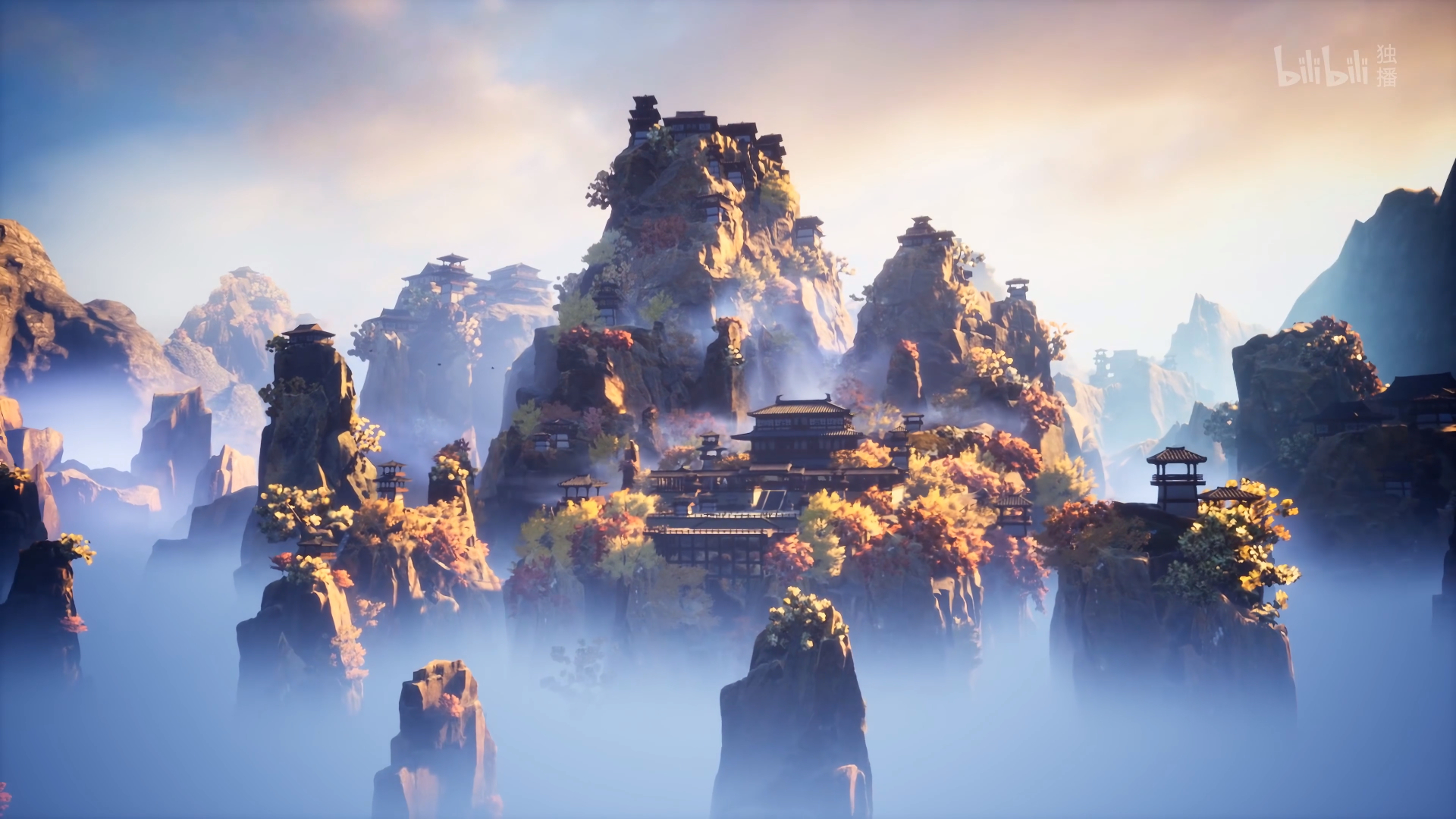
天南山脉纵横交错,为修仙宗门提供了天然的根据地。山岳作为修仙场所的优势是多方面的:高海拔地区灵气浓度更高,险峻的地形提供了天然防御,幽深的山谷适合开辟洞府进行闭关修炼。这解释了为什么几乎所有天南大宗门都选择在山脉中建立总部。
更关键的是灵脉的分布。天南的上品灵脉数量有限,它们的位置直接决定了顶级宗门的分布。掩月宗之所以能成为正道之首,与其占据的上品灵脉密不可分。灵脉不可移动、不可复制,这意味着修仙界的权力格局在地理上具有极强的路径依赖——一旦某个宗门占据了优质灵脉,其优势地位就很难被动摇,除非通过战争进行暴力重新分配。
天南各大势力的边界大致沿山脉走向和河流分布形成,这与凡人世界的国界形成逻辑如出一辙。山脉和大河构成天然屏障,降低了跨区域投射力量的能力,从而使各方势力得以在各自的地理区位中稳定发展。正道七派与魔道六宗的势力范围之间存在大片的缓冲地带——通常是灵气稀薄、资源匮乏的荒野——这些"无人区"充当了天然的非军事区,降低了大规模冲突的频率。
乱星海:海洋型修仙文明的独特逻辑
与天南的大陆型格局形成鲜明对比的是乱星海的海洋型修仙文明。海洋地理赋予了这一区域完全不同的权力逻辑。
首先,海洋消除了固定边界。在陆地上,你可以用山脉、河流划定势力范围,但在海洋上,"领土"的概念变得模糊。一个岛屿势力能有效控制的范围取决于其投射力量的能力,而海上的力量投射随距离的增加而急剧衰减。这就是为什么乱星海始终无法形成天南那样的稳定宗门格局——海洋地理天然地抑制了大规模集中权力的形成。
其次,海洋促进了贸易与流动。岛屿之间的交通虽然存在风险,但海上航线的通达性远高于陆地上翻山越岭。这使得乱星海的修士比天南修士拥有更强的流动性,散修文化因此更为繁盛。贸易集市的重要性也远超天南——在一个高度流动的社会中,固定的交易节点就成为权力的核心。
第三,海洋中的灵矿资源分布极为分散且不确定。深海中可能蕴藏着珍贵的灵矿和天材地宝,但开采难度极高,且位置难以预测。这种资源的随机性进一步加剧了乱星海的"赌博"特征:一次成功的深海探险可能让一个普通散修一夜暴富,而一次失败则可能命丧海底。
极西荒域:文明的边疆
极西荒域是人界修仙地理中最具神秘色彩的区域。这片广袤的土地灵气紊乱、妖兽横行、环境恶劣,是修仙文明的荒蛮边疆。然而,正是这种恶劣的环境孕育了独特的修仙传统。
极西荒域的修士与天南修士在修炼风格上有着显著差异。天南修士重视宗门传承和系统修炼,极西修士则更依赖个人搏杀和实战经验。这种差异的根源在于地理——极西的灵脉稀少且分散,无法支撑大型宗门的存在,修士只能以小团体或个人形式生存。在这种环境下,战斗力而非修炼功法成为决定生存的关键因素。
极西荒域的妖兽问题也深刻影响了当地的修仙文化。大量高阶妖兽的存在使得人与妖的关系更为复杂——既有激烈的生存竞争,也有某种程度上的共存与交流。一些极西修士甚至发展出了驯服妖兽、与妖兽签订契约的传统,这在正统天南修仙界看来几乎是异端。
大晋国:修凡交织的独特格局
大晋国代表了另一种修仙地理模式——修仙界与凡人界的高度交织。与天南修仙界相对独立于凡人社会不同,大晋国的修仙家族深深嵌入凡人政权之中,形成了一种修凡共生的复杂格局。
这种格局的地理基础在于大晋国拥有广袤的平原和丰富的凡人人口。平原地形不利于修仙宗门的独立存在——缺乏天然屏障意味着宗门时刻暴露在外部威胁之下。因此,大晋的修仙家族选择了与凡人政权结盟的策略:修仙家族为王朝提供超自然的武力支持,王朝则为修仙家族提供凡人资源和社会基础设施。
这种模式的优势在于资源的多样性。大晋的修仙家族可以调动凡人世界的海量资源——药材、矿石、人力、情报——来支持修仙活动。但劣势同样明显:与凡人世界的深度绑定使得修仙家族不得不分出精力处理凡人事务,这在一定程度上拖慢了修仙的专注度。
地理与修仙风格的关联
纵观人界各大地理板块,一个清晰的规律浮现出来:地理环境直接塑造了修仙风格。
山地修士重传承。 定居于灵脉之上的宗门有条件进行长期的知识积累,因此发展出了体系化的功法传承和精细的修炼阶梯。天南宗门的弟子按部就班地从炼气到筑基再到金丹,每一步都有前人经验可循。
海洋修士重实用。 乱星海的修士更重视法宝和阵法的实战效果,而非功法的理论完美性。在一个随时可能遭遇海盗和妖兽的环境中,能立即提升战斗力的手段远比长期修炼方案更有价值。
荒野修士重搏杀。 极西荒域的修士在修为上可能不如天南同阶修士精深,但在实战能力上往往更为可怕。恶劣的环境就是最好的训练场,活下来的都是精英中的精英。
韩立之所以能成为横跨多个地理板块的强者,很大程度上得益于他在不同地理环境中的修炼经历。天南给了他宗门传承的基础,乱星海磨砺了他的生存本能和实战技巧,而后续的旅程则不断拓展他的见识和能力边界。
结语:大地之上,修仙之下
人界修仙地理的核心启示在于:修仙世界并非悬浮在真空中的抽象体系,而是深深扎根于具体的地理环境之中。灵脉的分布决定了权力的格局,山海的形态塑造了文化的差异,气候和生态影响着修炼的路径。忽视地理而谈论修仙,就如同忽视土壤而谈论种植——根基不存,一切皆空。
凡人修仙传的世界观之精妙,恰恰在于它将修仙这一玄幻概念牢牢锚定在了可信的地理逻辑之上。每一片土地都有其故事,每一条山脉都暗含着权力的密码。而韩立的旅程,本质上就是一次穿越不同地理板块、不断适应新环境的生存之旅。
Introduction: Geography Is Destiny
In the world of A Record of a Mortal's Journey to Immortality, geography is not merely the stage on which events unfold -- it is the fundamental force shaping everything. The distribution of spirit veins (lingmai) determines where sects are established, the orientation of mountain ranges delineates the boundaries of power, and the existence of oceans gives rise to radically different cultivation cultures. Understanding the Mortal Realm's geographic layout is a key to understanding the cultivation world's power structure.
The Mortal Realm's cultivation world can be divided into several major geographic zones: the Tian Nan (天南) continent, the Scattered Star Seas (乱星海, Luan Xing Hai), the Far West Wilderness (极西荒域), the Great Jin Kingdom (大晋国) and surrounding areas, and various rarely mentioned remote regions. Each zone has developed unique cultivation cultures and power structures, with the roots of these differences traceable almost entirely to geographic conditions.
Tian Nan: A Typical Continental Cultivation Civilization
The Tian Nan continent is where Han Li's (韩立) cultivation journey began and one of the most developed regions of Mortal Realm cultivation civilization. Its geographic characteristics can be summarized in three key terms: mountainous terrain, concentrated spirit veins, and clear natural barriers.
Tian Nan's crisscrossing mountain ranges provide natural strongholds for cultivation sects. Mountains offer multiple advantages as cultivation sites: higher elevations feature greater spiritual energy concentration, rugged terrain provides natural defense, and deep valleys are ideal for establishing cave dwellings and secluded cultivation. This explains why virtually all major Tian Nan sects chose to establish their headquarters within mountain ranges.
Even more critical is the distribution of spirit veins. Tian Nan has a limited number of high-grade spirit veins, and their locations directly determined the distribution of top-tier sects. The Masked Moon Sect's (掩月宗) position as the leading righteous sect was inseparable from the high-grade spirit vein it occupied. Spirit veins are immovable and irreproducible, meaning the cultivation world's power structure exhibits extreme geographic path dependency -- once a sect occupies a quality spirit vein, its dominant position is nearly impossible to dislodge without the violent redistribution of war.
The boundaries between Tian Nan's major powers roughly follow mountain ranges and river courses, mirroring the logic behind national borders in the mortal world. Mountains and great rivers form natural barriers, reducing the ability to project force across regions, allowing each power to develop stably within its geographic niche. Broad buffer zones exist between the territories of the Seven Righteous Sects and the Six Demonic Sects -- typically barren wilderness with thin spiritual energy -- serving as natural demilitarized zones that reduce the frequency of large-scale conflict.
The Scattered Star Seas: The Unique Logic of Maritime Cultivation Civilization
In sharp contrast to Tian Nan's continental structure, the Scattered Star Seas represents a maritime cultivation civilization. Oceanic geography imparts an entirely different logic of power.
First, oceans eliminate fixed boundaries. On land, you can use mountain ranges and rivers to delineate spheres of influence, but at sea, the concept of "territory" becomes blurred. An island power's effective range of control depends on its ability to project force, which decays rapidly with distance over water. This is why the Scattered Star Seas never developed Tian Nan's stable sect structure -- oceanic geography inherently suppresses the formation of large-scale concentrated power.
Second, oceans promote trade and mobility. While inter-island travel carries risks, maritime routes offer far greater accessibility than overland routes crossing mountains. This gives Scattered Star Seas cultivators greater mobility than their Tian Nan counterparts, fostering a more vibrant independent cultivator culture. The importance of trading posts also far exceeds those in Tian Nan -- in a highly mobile society, fixed trade nodes become the core of power.
Third, the distribution of spiritual mineral resources in the ocean is highly dispersed and unpredictable. The deep sea may harbor precious spirit ores and rare treasures, but extraction difficulty is extreme and locations are unpredictable. This randomness further amplifies the Scattered Star Seas' "gambling" characteristics: one successful deep-sea expedition could make an ordinary independent cultivator rich overnight, while failure could mean death beneath the waves.
The Far West Wilderness: The Frontier of Civilization
The Far West Wilderness is the most mysterious region in Mortal Realm cultivation geography. This vast land features chaotic spiritual energy, rampant demon beasts, and harsh conditions -- a savage frontier of cultivation civilization. Yet this hostile environment also nurtured unique cultivation traditions.
Far West cultivators differed significantly from Tian Nan cultivators in cultivation style. Tian Nan cultivators valued sect heritage and systematic practice; Far West cultivators relied more on personal combat and battlefield experience. This difference was rooted in geography -- the Far West's spirit veins were sparse and scattered, unable to support large sects, forcing cultivators to survive in small groups or individually. In such an environment, combat ability rather than cultivation techniques became the decisive factor for survival.
The Far West's demon beast problem also profoundly shaped local cultivation culture. The presence of numerous high-level demon beasts made human-beast relations more complex -- involving both fierce survival competition and a degree of coexistence and exchange. Some Far West cultivators even developed traditions of taming demon beasts and forming contracts with them, practices that mainstream Tian Nan cultivators would regard as near-heretical.
The Great Jin Kingdom: A Unique Pattern of Cultivation-Mortal Interweaving
The Great Jin Kingdom represented another model of cultivation geography -- deep interweaving of the cultivation and mortal worlds. Unlike Tian Nan's relatively independent cultivation society, Great Jin's cultivation families were deeply embedded within mortal governance, creating a complex symbiotic pattern.
The geographic basis for this pattern was the Great Jin's vast plains and abundant mortal population. Plains terrain is unfavorable for independent sect existence -- the lack of natural barriers means sects are constantly exposed to external threats. Therefore, Great Jin's cultivation families chose the strategy of allying with mortal regimes: cultivation families provided supernatural military support to dynasties, while dynasties provided mortal resources and social infrastructure to cultivation families.
This model's advantage lay in resource diversity. Great Jin cultivation families could mobilize the mortal world's massive resources -- medicinal herbs, minerals, manpower, intelligence -- to support cultivation activities. But the disadvantages were equally clear: deep integration with the mortal world forced cultivation families to divert energy to mortal affairs, somewhat slowing their cultivation focus.
The Correlation Between Geography and Cultivation Style
Surveying the Mortal Realm's major geographic zones, a clear pattern emerges: geographic environment directly shapes cultivation style.
Mountain cultivators value heritage. Sects settled atop spirit veins have the conditions for long-term knowledge accumulation, thus developing systematized technique inheritances and refined cultivation ladders. Tian Nan sect disciples advance methodically from Qi Refining to Foundation Establishment to Core Formation, each step guided by predecessors' experience.
Maritime cultivators value practicality. Scattered Star Seas cultivators emphasize the combat effectiveness of magical treasures and formations rather than theoretical perfection of techniques. In an environment where pirate attacks and demon beast encounters can occur at any moment, tools that immediately boost combat power are far more valuable than long-term cultivation plans.
Wilderness cultivators value combat prowess. Far West cultivators may be less refined in cultivation depth than same-level Tian Nan counterparts, but in actual combat ability, they are often far more fearsome. The harsh environment is the best training ground -- those who survive are the elite of the elite.
Han Li's ability to become a powerhouse spanning multiple geographic zones owes much to his cultivation experiences across different environments. Tian Nan gave him the foundation of sect heritage, the Scattered Star Seas honed his survival instincts and combat skills, and subsequent journeys continuously expanded his horizons and capabilities.
Conclusion: Upon the Earth, Beneath the Immortal Path
The core insight of Mortal Realm cultivation geography is this: the cultivation world does not float in a vacuum as an abstract system but is deeply rooted in concrete geographic environments. Spirit vein distribution determines power structures, the forms of mountains and seas shape cultural differences, and climate and ecology influence cultivation paths. To discuss cultivation while ignoring geography is like discussing planting while ignoring soil -- without the foundation, everything is void.
The genius of A Record of a Mortal's Journey to Immortality's worldbuilding lies precisely in how firmly it anchors the fantastical concept of cultivation in credible geographic logic. Every piece of land has its story, every mountain range conceals a cipher of power. And Han Li's journey was, at its essence, a survival odyssey across different geographic zones, continuously adapting to new environments.