引言:修仙界的"赤壁之战"
昆吾山大战是凡人修仙传人界篇中最宏大、最复杂、最精彩的战役。如果说坠魔谷是一场小规模的精英突击战,那昆吾山就是一场涉及整个天南修仙界核心力量的全面战争。正道、魔道、散修、妖族、甚至域外来客纷纷登场,各方势力的利益纠葛使得战局变化莫测。本文将以军事战略分析的框架,对这场巅峰之战进行全面复盘。
战前态势:多方势力的战略考量
正道阵营
天南正道诸派进入昆吾山的首要目标是获取上古宝物以增强宗门实力。但正道联盟并非铁板一块——各大宗门虽然对外统一行动,内部却在关键资源的分配上存在分歧。这种"联而不合"的状态从战略层面就埋下了隐患。
正道的战略优势在于组织性和纪律性。各宗门之间有成熟的协调机制,能够在关键时刻形成合力。但其劣势同样明显:决策链条过长,应变速度慢于灵活的魔道修士。
魔道阵营
魔道势力的参与使得昆吾山的局势从"探宝"升级为"战争"。魔道修士通常更加果断和激进,不受正道宗门那套礼仪规范的约束。他们的战略目标更加纯粹——抢夺最有价值的宝物,必要时不惜与正道正面开战。
魔道的战术特点是个体战力突出但协同较差。每个魔道强者都有自己的算盘,这使得魔道阵营在整体战略层面难以形成统一指挥。但这种"去中心化"也带来了一个意外优势——正道很难通过情报手段预判魔道的整体行动方向。
散修与第三方势力
散修是昆吾山大战中最不可预测的变量。他们没有阵营归属,完全以个人利益为导向。一些实力强大的老怪物级散修,其战斗力不逊于宗门长老,但他们的行动逻辑完全不可控。
此外,妖族势力的介入为战局增添了第三维度的复杂性。妖族与人族修士之间的矛盾是结构性的,它们的参战使得原本的正魔对抗演变为多方混战。
战场分析:空间与禁制的战略意义
昆吾山的地形特征
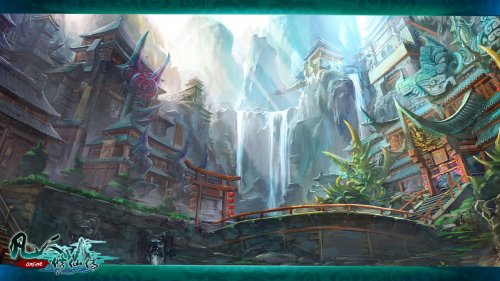
昆吾山并非一座普通的山峰,而是一个多层嵌套的上古秘境。其内部空间被各种禁制分割为若干独立区域,每个区域都有不同的环境特征和危险等级。这种地形极大地影响了战术运用——大规模阵法在狭窄的空间中难以施展,高阶修士的法力优势也可能被禁制削弱。
从军事学角度看,昆吾山的地形天然有利于防守和伏击,不利于大规模正面推进。这解释了为什么昆吾山之战呈现出"多点并发、局部混战"的形态,而非两军对垒的正面交锋。
封印体系:第四方势力
昆吾山中的上古封印是一个常被忽视的"战略角色"。封印中被困的上古魔物和妖兽并非单纯的NPC怪物,它们有自己的意志和目的。当封印在混战中被削弱或打破时,这些被封印的存在就成为了战场上最危险的不可控因素。
多方势力在是否破坏封印的问题上面临博弈困境:破坏封印可能释放出有价值的宝物,但也可能释放出无法控制的威胁。这是一个典型的"潘多拉之盒"决策——收益诱人,但风险同样致命。
战役进程:关键节点复盘
第一阶段:试探与布局
昆吾山开启之初,各方势力保持着谨慎的克制。正道与魔道修士虽然彼此警惕,但在面对未知的秘境禁制时,双方都选择了暂时搁置冲突、各自探索的策略。
这一阶段的战略关键词是"信息"。谁先弄清昆吾山的内部结构和宝物分布,谁就在后续的争夺中占据先机。韩立在这一阶段的表现体现了他一贯的谨慎风格——不急于深入,而是先观察地形和各方动向,再做决策。
第二阶段:冲突升级
随着各方势力在关键区域发生接触,零星冲突迅速升级为全面对抗。多个战场同时爆发战斗,战局变得混乱而不可预测。
这一阶段最关键的战略变化是"联盟的瓦解与重组"。原本的正魔两大阵营在利益面前开始分化——有些正道修士与魔道修士达成了临时交易,有些同阵营的宗门却因争夺同一件宝物而反目。修仙界的联盟本质上都是利益联盟,当利益格局改变时,联盟随之崩溃。
第三阶段:高潮与转折
战役的高潮出现在核心区域的争夺中。化神期及以上级别的强者开始正面交锋,战斗的规模和烈度达到顶峰。上古封印的局部崩塌释放出被封锁的恐怖存在,使得战局从"多方争宝"演变为"共同面对威胁"。
这种转折体现了一个重要的军事学原理:当外部威胁超过内部矛盾时,原本对立的各方会被迫暂时联手。但这种被迫的合作极其脆弱——一旦外部威胁被消除,各方会立刻恢复争夺。
韩立的战略定位
韩立在昆吾山大战中的表现堪称教科书级别的"弱者生存术"。他的修为在参战的强者中并不突出,但他凭借几个关键优势在混战中不仅存活,还获得了丰厚收益:
- 信息优势:韩立通过灵目术等手段获取了比多数修士更全面的战场信息
- 机动性:遁术的高超使他能够快速脱离不利局面,选择性地参与战斗
- 底牌丰富:噬金虫、多件法宝、丹药储备等为他提供了应对各种突发状况的手段
- 决策理性:始终保持冷静,不被贪欲冲昏头脑,知道何时进、何时退
韩立的策略可以概括为"边缘突击"——避开核心战场的正面交锋,在战局的边缘寻找机会。这种策略虽然不够"英雄",却是实力有限者在大规模冲突中最理性的选择。
战略启示
信息战的重要性
昆吾山大战反复印证了一个观点:在多方混战中,信息的价值可能超过战斗力。知道对手的位置、意图和实力,往往比拥有更强的法力更具决定性。韩立在整部小说中对情报收集的重视,与现代军事学中"信息化作战"的理念不谋而合。
联盟的脆弱性
没有永恒的敌人,也没有永恒的盟友——这句外交格言在昆吾山中得到了淋漓尽致的体现。正道内部的分裂、正魔之间的临时合作、散修的朝秦暮楚,都说明在利益面前,任何联盟都不过是暂时的妥协。
环境因素的决定性
昆吾山的特殊环境——禁制、封印、变异空间——深刻影响了战役的走向。这提醒我们,在分析修仙界的冲突时,不能只看参战者的实力对比,更要考虑战场环境对各方力量的增减效应。
结语
昆吾山大战之所以成为凡人修仙传人界篇的巅峰战役,不仅因为参战者的规格之高、战斗场面之壮观,更因为它在战略层面的复杂性和深度。多方势力的博弈、联盟的动态变化、环境因素的干扰、个体决策的关键性——这些要素共同构成了一幅堪比真实战争的全景画卷。而韩立在这场大战中的表现,则为"凡人"在巨人之战中的生存智慧提供了最生动的注脚。
Introduction: The Cultivation World's "Battle of Red Cliffs"
The Battle of Kunwu Mountain (昆吾山) is the most grand, complex, and brilliantly executed campaign in the Mortal Realm arc of A Record of a Mortal's Journey to Immortality. If the Devilfall Valley was a small-scale elite strike operation, then Kunwu Mountain was a full-scale war involving the core strength of the entire Tiannan cultivation world. Righteous sects, devil sects, loose cultivators, demon beasts, and even visitors from beyond the region — all took the stage, and the tangled web of interests among them made the battle situation utterly unpredictable. This article applies a military strategy framework to conduct a comprehensive review of this pinnacle campaign.
Cultural Context: The Battle of Red Cliffs (赤壁之战, 208 CE) is one of the most celebrated military engagements in Chinese history, depicted in the classic novel Romance of the Three Kingdoms. Like Kunwu Mountain, it featured multiple factions, shifting alliances, and environmental factors that proved decisive. The comparison places Kunwu Mountain within a long Chinese literary tradition of epic multi-faction warfare.
Pre-Battle Situation: Strategic Considerations of Multiple Factions
The Righteous Camp
The primary objective of the Tiannan righteous sects in entering Kunwu Mountain was to obtain ancient treasures to bolster their sect strength. But the righteous alliance was far from monolithic — while the major sects maintained a united front externally, internal disagreements over resource allocation were simmering. This state of "allied but not unified" planted strategic vulnerabilities from the outset.
The righteous camp's strategic advantage lay in organization and discipline. The various sects had mature coordination mechanisms and could concentrate their forces at critical moments. But their weaknesses were equally apparent: excessively long chains of command and slower reaction times compared to the more agile devil cultivators.
The Devil Camp
The participation of devil faction forces escalated Kunwu Mountain's situation from "treasure hunting" to "warfare." Devil cultivators typically act with greater decisiveness and aggression, unconstrained by the etiquette and protocols that bind righteous sects. Their strategic objectives were more singular — seize the most valuable treasures, resorting to open war with the righteous sects if necessary.
The tactical hallmark of the devil camp was outstanding individual combat power combined with poor coordination. Each devil powerhouse had their own agenda, making unified strategic command at the macro level nearly impossible. Yet this "decentralization" brought an unexpected advantage — the righteous side found it extremely difficult to predict the devil faction's overall direction through intelligence gathering.
Loose Cultivators and Third-Party Forces
Loose cultivators were the most unpredictable variable in the Battle of Kunwu Mountain. They had no factional allegiance, operating entirely on individual self-interest. Some old-monster-class loose cultivators possessed combat power rivaling sect elders, but their behavioral logic was entirely uncontrollable.
Additionally, the involvement of demon beast forces added a third dimension of complexity. The structural nature of human-demon tensions meant that their participation transformed what had been a righteous-devil confrontation into a multi-faction melee.
Battlefield Analysis: The Strategic Significance of Space and Seals
Kunwu Mountain's Terrain
Kunwu Mountain was no ordinary mountain peak but rather a multi-layered, nested ancient secret realm. Its interior space was divided into multiple independent zones by various sealing formations, each with distinct environmental characteristics and danger levels. This terrain profoundly affected tactical deployment — large-scale formations were difficult to execute in confined spaces, and the power advantages of high-ranking cultivators could be diminished by the seals.
From a military science perspective, Kunwu Mountain's terrain naturally favored defense and ambush while disfavoring large-scale frontal advances. This explains why the battle manifested as "simultaneous multi-point, localized melees" rather than a two-army, head-on collision.
The Seal System: A Fourth Faction
The ancient seals within Kunwu Mountain represent a frequently overlooked "strategic actor." The ancient demon creatures and beasts imprisoned within these seals were not simple monsters — they possessed their own wills and objectives. When seals were weakened or broken amid the chaos of battle, these imprisoned beings became the most dangerous uncontrollable factor on the battlefield.
The various factions faced a game theory dilemma regarding seal destruction: breaking a seal might release valuable treasures, but it could also unleash an uncontainable threat. This is a classic "Pandora's Box" decision — the rewards are enticing, but the risks are equally lethal.
Campaign Progression: Key Phase Analysis
Phase One: Probing and Positioning
In the early period after Kunwu Mountain's opening, all factions maintained cautious restraint. Though righteous and devil cultivators were wary of each other, both chose a strategy of temporarily shelving conflict to explore independently when confronting the unknown dangers of the secret realm.
The strategic keyword for this phase was "intelligence." Whoever first mapped Kunwu Mountain's internal structure and treasure distribution would gain the initiative in subsequent struggles. Han Li's (韩立) performance during this phase reflected his characteristic caution — rather than rushing deeper, he first observed the terrain and tracked each faction's movements before making decisions.
Phase Two: Escalation
As various factions made contact in key areas, scattered skirmishes rapidly escalated into full-scale confrontation. Multiple battlefields erupted simultaneously, and the situation became chaotic and unpredictable.
The most critical strategic shift in this phase was the "dissolution and reconfiguration of alliances." The original righteous-devil dichotomy began fracturing under the pressure of competing interests — some righteous cultivators struck temporary deals with devil cultivators, while sects nominally on the same side turned against each other over the same treasure. Alliances in the cultivation world are fundamentally interest-based alliances; when the interest landscape shifts, alliances collapse accordingly.
Phase Three: Climax and Turning Point
The climax arrived during the contest for the core zones. Deity Transformation-level and higher powerhouses engaged in direct combat, and the scale and intensity of fighting reached its zenith. The partial collapse of ancient seals released imprisoned horrors, transforming the situation from "multi-faction treasure competition" into "collective response to existential threat."
This turning point embodies a crucial principle of military science: when external threats exceed internal contradictions, previously opposing parties are forced into temporary cooperation. But such coerced cooperation is extraordinarily fragile — the moment the external threat is eliminated, all parties immediately resume their struggles.
Han Li's Strategic Positioning
Han Li's performance in the Battle of Kunwu Mountain was a textbook example of "survival tactics for the underdog." His cultivation was not particularly outstanding among the participating powerhouses, yet through several key advantages he not only survived the melee but emerged with substantial gains:
- Intelligence advantage: Through techniques like Spirit Eye (lingmu shu) and other means, Han Li gathered more comprehensive battlefield information than most cultivators
- Mobility: His superior movement techniques allowed him to disengage rapidly from unfavorable situations and selectively engage in combat
- Deep reserves: Gold Devouring Beetles, multiple magical treasures, medicinal pill stockpiles — these gave him the means to handle various contingencies
- Rational decision-making: He maintained composure throughout, never letting greed cloud his judgment, knowing when to advance and when to retreat
Han Li's strategy can be summarized as "peripheral striking" — avoiding head-on confrontation in the core battlefields while seeking opportunities at the edges of the conflict. Though this approach is not particularly "heroic," it is the most rational choice for someone of limited strength in a large-scale conflict.
Strategic Lessons
The Importance of Information Warfare
The Battle of Kunwu Mountain repeatedly validated one thesis: in a multi-faction melee, the value of information may exceed that of combat power. Knowing an opponent's position, intentions, and strength is often more decisive than possessing superior spiritual power. Han Li's consistent emphasis on intelligence gathering throughout the novel mirrors the modern military concept of "information-centric warfare."
The Fragility of Alliances
No eternal enemies, no eternal allies — this diplomatic maxim was demonstrated to the fullest at Kunwu Mountain. The internal fracturing of the righteous faction, temporary cooperation between righteous and devil cultivators, and the fair-weather allegiances of loose cultivators all illustrate that before the calculus of interest, any alliance is merely a temporary compromise.
The Decisive Role of Environment
Kunwu Mountain's special environment — sealing formations, imprisoned beings, distorted space — profoundly shaped the campaign's trajectory. This reminds us that when analyzing conflicts in the cultivation world, one cannot look solely at the combatants' relative strength but must also consider how the battlefield environment amplifies or diminishes each party's power.
Conclusion
The Battle of Kunwu Mountain stands as the pinnacle campaign of the Mortal Realm arc not merely because of the caliber of its participants or the spectacle of its combat, but because of its strategic complexity and depth. Multi-faction maneuvering, dynamic shifts in alliances, environmental interference, and the criticality of individual decisions — these elements together compose a panoramic tableau comparable to real warfare. And Han Li's performance in this great battle provides the most vivid illustration of how a "mortal" can find survival wisdom amid a war of giants.