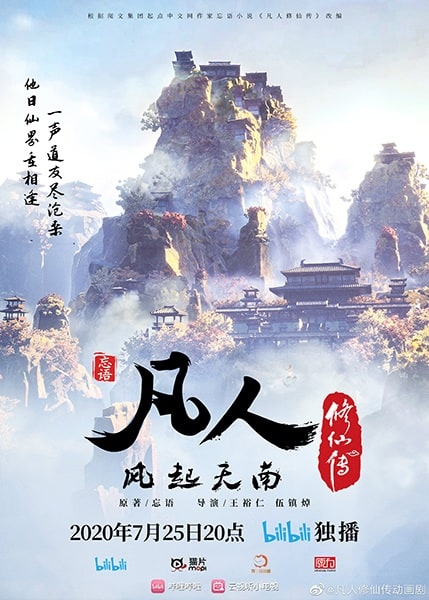
引言:中等宗门的生存命题
在天南修仙界的权力版图中,黄枫谷是一个极具研究价值的样本。它既非掩月宗那样的顶级大派,也非某些小门小派般随时可能被吞并。黄枫谷是正道七派之一,拥有一定的元婴期战力和完整的传承体系,却始终面临着大宗门挤压、资源有限、人才流失等多重困境。从现代管理学角度看,黄枫谷的处境恰如一家中型企业——大到不能忽视,小到无法主导行业。这种"卡在中间"的位置,既是机遇,也是诅咒。
立宗之基:地理与资源的先天约束
黄枫谷的立宗之地选在天南山脉的一处中品灵脉之上。这一选择本身就奠定了宗门的天花板——灵脉品质决定了宗门能培养出多少高阶修士,中品灵脉意味着黄枫谷在理论上就很难同时维持超过两三名元婴修士。与之相比,掩月宗坐拥上品灵脉,在资源禀赋上就占据了不可逾越的优势。
但黄枫谷的地理位置也有其战略价值。地处正道势力范围的腹地,远离正魔交界的前线,这使得黄枫谷在和平时期能将更多资源用于发展而非防御。更重要的是,谷中盛产多种中低级灵药,这为宗门提供了稳定的经济基础。在修仙界,灵药贸易就如同凡人世界的基础制造业——利润不高但需求稳定,足以养活一个中等规模的组织。
人才战略的困境
黄枫谷在人才策略上采取了典型的"广撒网"模式。通过定期在凡人中选拔灵根弟子,宗门维持着稳定的新血补充。韩立正是在这种大规模选拔中被墨大夫带入黄枫谷的。然而,这种模式有一个根本性缺陷:最优秀的灵根天才往往会被大宗门优先选走。黄枫谷能收到的,大多是四灵根、五灵根等资质平平的弟子。
韩立的案例恰恰说明了这一点——他被收入门墙时并不被看好,灵根资质普通。他后来的崛起完全是由于小瓶这一逆天机缘,而非宗门培养体系的功劳。事实上,黄枫谷的培养体系存在严重的资源错配问题:有限的资源被平均分配给大量弟子,导致谁都无法获得充足的修炼支持。这就像一家中小企业试图同时推进十个项目,最终每个项目都做得半温不火。
黄枫谷的师徒体制在一定程度上缓解了这个问题。高阶修士可以自主选择弟子进行重点培养,形成了一种内部的"风险投资"机制。厉飞雨被宗门重点培养就是因为他展现出了突出的修炼天赋。但这种机制的弊端同样明显——师徒关系容易演变为派系政治,不同长老的弟子之间会为争夺资源而内耗。
外交生存术
在大宗门的夹缝中生存,黄枫谷发展出了一套精明的外交策略。其核心原则可以概括为三点:
第一,不当出头鸟。 在正道七派的联合行动中,黄枫谷从不争当主导者,而是紧跟掩月宗的步调。这种追随策略降低了被针对的风险,同时保证了在战利品分配中的基本份额。
第二,维持多方关系。 虽然身为正道七派之一,黄枫谷与天道盟、散修群体都保持着灵活的商贸往来。这种多元化的关系网络确保了即使正道内部出现裂痕,黄枫谷也不会被完全孤立。宗门的灵药贸易网络就是最好的外交工具——当你是别人的关键供应商时,没有人愿意轻易得罪你。
第三,关键时刻表态。 在正魔大战等不可回避的大规模冲突中,黄枫谷会明确站队,以换取战后的生存保障。这种"平时模糊、战时清晰"的外交姿态,最大限度地平衡了灵活性与安全性。
正魔大战中的抉择
正魔大战是黄枫谷命运的转折点。作为正道七派之一,黄枫谷被卷入了这场决定天南格局的大战。对于中等宗门而言,大规模战争既是最大的威胁,也可能是改变命运的机遇。
黄枫谷在战争中的表现中规中矩——出兵参战但避免充当主力,尽量保存元婴修士的实力。这种策略在短期内是理性的,但也意味着黄枫谷无法通过战功获得战后格局重组中的更大话语权。真正为黄枫谷带来战略红利的是韩立个人的战场表现——他的越级战斗能力不仅在局部战场上扭转了战局,更为黄枫谷赢得了超出其宗门实力的声望。
然而,韩立的崛起也暴露了黄枫谷的一个根本性问题:宗门的命运过度依赖于个别天才修士。当韩立晋升元婴后选择离开天南前往乱星海,黄枫谷立刻面临战略实力的大幅缩水。一个组织若将核心竞争力寄托在个人身上,就注定要承受个人离去时的巨大冲击。
衰落的结构性原因
黄枫谷的衰落并非始于某一个具体事件,而是多重结构性因素长期累积的结果。
资源枯竭的恶性循环。 中品灵脉的灵气产出有限,随着宗门弟子数量的增长,人均资源持续下降。资源不足导致高阶修士难以突破,高阶修士不足又导致宗门在对外竞争中处于劣势,进而影响资源获取——这是一个典型的贫困陷阱。
人才流失的马太效应。 越是优秀的弟子,越有能力和动机离开黄枫谷寻找更好的修炼环境。韩立的离去就是最典型的案例——元婴修士需要的资源和机缘远非中等宗门所能提供。人才流失导致宗门实力下降,实力下降又加速人才流失,形成第二个恶性循环。
组织僵化的代价。 经过数千年的发展,黄枫谷的内部制度已经高度僵化。辈分体系、资源分配规则、决策流程都形成了路径依赖,难以进行根本性改革。当外部环境发生剧变时——比如正魔大战后的格局重组——这种僵化的组织很难做出快速而正确的应对。
与现实世界的对照
黄枫谷的兴衰轨迹与现实世界的中型企业有着惊人的相似。地理位置对应的是市场定位,灵脉品质对应的是核心资源禀赋,人才争夺对应的是人力资本竞争,正魔大战对应的是行业洗牌。
最深刻的对应或许在于"卡在中间"的困境。管理学中有一个经典论断:最危险的位置不是最小或最大,而是中间——你既没有小公司的灵活性,也没有大公司的规模效应。黄枫谷正是这种"中间困境"的完美注解:它太大了,无法像散修那样灵活地追逐机缘;又太小了,无法像掩月宗那样制定规则、分配资源。
结语:中等宗门的宿命
黄枫谷的故事最终告诉我们,在修仙世界的丛林法则下,中等宗门的命运很大程度上不取决于自身的努力,而取决于大势的走向和个别天才的随机出现。韩立对黄枫谷而言既是最大的幸运,也是最大的不幸——幸运的是他在时为宗门带来了短暂的辉煌,不幸的是他的离去让宗门意识到这种辉煌从未真正属于自己。
这或许是凡人修仙传最残酷的叙事之一:不是每一个组织都能等到自己的韩立,而即使等到了,也留不住。
Introduction: The Survival Challenge of a Mid-Tier Sect
In the power map of the Tian Nan (天南) cultivation world, Yellow Maple Valley (黄枫谷, Huang Feng Gu) is a specimen of extraordinary research value. It was neither a top-tier powerhouse like the Masked Moon Sect (掩月宗), nor a small sect liable to be swallowed up at any moment. Yellow Maple Valley was one of the Seven Sects of the Righteous Path, possessing some Nascent Soul (元婴) combat power and a complete inheritance system, yet it perpetually faced the pressures of being squeezed by larger sects, limited resources, and talent drain. From a modern management perspective, Yellow Maple Valley's situation was akin to a mid-sized company -- too big to ignore, too small to dominate the industry. This "stuck in the middle" position was both an opportunity and a curse.
Foundation: Geographic and Resource Constraints
Yellow Maple Valley was established atop a mid-grade spirit vein in the Tian Nan mountain range. This choice alone set the sect's ceiling -- spirit vein quality determines how many high-level cultivators a sect can produce, and a mid-grade spirit vein meant Yellow Maple Valley theoretically could never support more than two or three Nascent Soul cultivators simultaneously. By comparison, the Masked Moon Sect occupied a high-grade spirit vein, giving it an insurmountable advantage in resource endowment.
However, Yellow Maple Valley's geographic location also had strategic value. Situated deep within righteous faction territory, far from the frontlines between the righteous and demonic paths, the sect could devote more resources to development rather than defense during peacetime. More importantly, the valley was rich in various low-to-mid-grade spirit herbs, providing the sect with a stable economic base. In the cultivation world, the spirit herb trade is like basic manufacturing in the mortal world -- modest profits but steady demand, sufficient to sustain a mid-sized organization.
The Talent Strategy Dilemma
Yellow Maple Valley adopted a typical "cast a wide net" approach to talent. Through periodic selection of spiritual root (linggen) possessors among mortals, the sect maintained a steady stream of new blood. Han Li (韩立) was brought into Yellow Maple Valley by Doctor Mo (墨大夫) through exactly this kind of mass selection. However, this model had a fundamental flaw: the most outstanding spiritual root geniuses were invariably scooped up first by major sects. What Yellow Maple Valley could recruit were mostly those with four or five spiritual roots -- mediocre aptitude at best.
Han Li's case illustrates this perfectly -- he was not highly regarded when admitted, with ordinary spiritual root aptitude. His subsequent rise was entirely due to the heaven-defying fortune of the mysterious small bottle, not the sect's training system. In fact, Yellow Maple Valley's training system suffered from severe resource misallocation: limited resources were spread evenly across large numbers of disciples, ensuring that no one received adequate cultivation support. This is like a small-to-medium enterprise trying to advance ten projects simultaneously, with every project ending up lukewarm.
The master-disciple system at Yellow Maple Valley partially mitigated this problem. Senior cultivators could independently select disciples for focused training, creating an internal "venture capital" mechanism. Li Feiyu (厉飞雨) received priority cultivation because he demonstrated outstanding talent. But the drawbacks of this mechanism were equally obvious -- master-disciple relationships easily devolved into factional politics, with different elders' disciples competing against each other for resources.
The Art of Diplomatic Survival
To survive in the gaps between major sects, Yellow Maple Valley developed a shrewd diplomatic strategy. Its core principles can be summarized in three points:
First, never be the one who sticks out. In joint operations of the Seven Righteous Sects, Yellow Maple Valley never vied for leadership but instead closely followed the Masked Moon Sect's lead. This followership strategy reduced the risk of being targeted while ensuring a basic share of war spoils.
Second, maintain relationships with multiple parties. Although a member of the Seven Righteous Sects, Yellow Maple Valley maintained flexible trade relations with both the Heavenly Dao Alliance (天道盟) and independent cultivator communities. This diversified relationship network ensured that even if cracks appeared within the righteous alliance, Yellow Maple Valley would not be completely isolated. The sect's spirit herb trade network was its best diplomatic tool -- when you are someone's key supplier, nobody wants to offend you lightly.
Third, take a clear stand at critical moments. In unavoidable large-scale conflicts like the Righteous-Demonic War, Yellow Maple Valley would clearly pick a side in exchange for post-war survival guarantees. This diplomatic posture of "ambiguity in peacetime, clarity in wartime" maximized the balance between flexibility and security.
Choices During the Righteous-Demonic War
The Righteous-Demonic War was a turning point in Yellow Maple Valley's fate. As one of the Seven Righteous Sects, the valley was drawn into this conflict that would determine the Tian Nan power structure. For a mid-tier sect, large-scale war was both the greatest threat and a potential opportunity to change its destiny.
Yellow Maple Valley's wartime performance was respectable but unremarkable -- contributing troops while avoiding front-line duties, preserving the strength of its Nascent Soul cultivators as much as possible. This strategy was rational in the short term but also meant Yellow Maple Valley could not leverage war achievements for greater influence in the post-war restructuring. What truly brought strategic dividends was Han Li's individual battlefield performance -- his ability to fight above his level not only turned the tide in local engagements but also earned Yellow Maple Valley prestige far beyond what its sect-level strength warranted.
However, Han Li's rise also exposed a fundamental problem: the sect's fate was overly dependent on individual genius cultivators. When Han Li advanced to Nascent Soul and chose to leave Tian Nan for the Scattered Star Seas (乱星海), Yellow Maple Valley immediately faced a massive contraction in strategic strength. An organization that stakes its core competitiveness on an individual is destined to absorb enormous shocks when that individual departs.
Structural Causes of Decline
Yellow Maple Valley's decline did not begin with any single event but was the cumulative result of multiple structural factors over time.
The vicious cycle of resource depletion. A mid-grade spirit vein's spiritual energy output is limited. As the sect's disciple population grew, per-capita resources continuously declined. Insufficient resources made it difficult for cultivators to break through to higher levels; fewer high-level cultivators weakened the sect's competitive position externally, which in turn affected resource acquisition -- a classic poverty trap.
The Matthew effect of talent drain. The more talented a disciple, the greater their ability and motivation to leave Yellow Maple Valley for better cultivation environments. Han Li's departure was the most typical case -- the resources and opportunities a Nascent Soul cultivator requires are far beyond what a mid-tier sect can provide. Talent drain led to declining sect strength, which accelerated further talent drain, creating a second vicious cycle.
The cost of organizational rigidity. After thousands of years of development, Yellow Maple Valley's internal systems had become highly rigid. Seniority hierarchies, resource allocation rules, and decision-making processes had all fallen into path dependency, making fundamental reform difficult. When the external environment underwent dramatic change -- such as the post-war restructuring -- this rigid organization struggled to make rapid, correct responses.
Parallels with the Real World
Yellow Maple Valley's trajectory of rise and decline bears striking similarities to real-world mid-sized enterprises. Geographic location corresponds to market positioning, spirit vein quality to core resource endowment, talent competition to human capital rivalry, and the Righteous-Demonic War to industry disruption.
The most profound parallel may be the "stuck in the middle" dilemma. There is a classic assertion in management theory: the most dangerous position is not the smallest or the largest, but the middle -- you have neither the agility of a small company nor the scale advantages of a large one. Yellow Maple Valley is the perfect illustration: it was too large to nimbly chase opportunities like independent cultivators, yet too small to set rules and allocate resources like the Masked Moon Sect.
Conclusion: The Fate of Mid-Tier Sects
Yellow Maple Valley's story ultimately tells us that under the law of the jungle governing the cultivation world, a mid-tier sect's fate depends less on its own efforts than on the direction of larger forces and the random emergence of individual geniuses. Han Li was both Yellow Maple Valley's greatest fortune and greatest misfortune -- fortunate that during his time he brought the sect a brief period of glory; unfortunate that his departure made the sect realize that glory had never truly belonged to them.
This is perhaps one of the cruelest narratives in A Record of a Mortal's Journey to Immortality: not every organization can wait for its own Han Li, and even if one arrives, they cannot be kept.