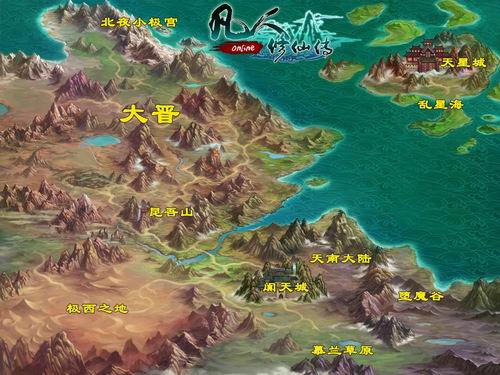
引言:修仙世界的纳什均衡
天南修仙界的政治格局,表面上是正邪之争的简单二元对立,实际上却是一个精妙的多方博弈系统。正道七派、魔道六宗、天道盟、九国盟——这四大势力集团构成了一个经典的多人非合作博弈模型。而这个模型之所以能维持数千年不崩溃,恰恰在于各方都找到了一个微妙的"纳什均衡":没有任何一方能通过单方面改变策略来获取更多利益。
四方势力的基本面分析
正道七派:名义上的主导者
正道七派——掩月宗、灵兽山、黄枫谷等——占据了天南修仙界最优质的灵脉资源。它们的核心优势在于"合法性叙事":以正道之名占据道德高地,使得联合行动的协调成本远低于魔道。然而七派之间同样存在严重的利益分歧。掩月宗作为七派之首,其元婴修士数量占据绝对优势,但这种优势恰恰让其他六派心存忌惮——盟友过强与敌人过强,对中小宗门而言同样危险。
这种内部猜忌在正魔大战前表现得尤为明显。黄枫谷等中等宗门始终在"全力支持掩月宗"与"保留实力以自保"之间摇摆,这是一个典型的搭便车困境:每个宗门都希望其他宗门多出力,自己坐享其成。
魔道六宗:被低估的理性行为者
魔道六宗常被视为混乱邪恶的代名词,但从博弈论角度看,它们的行为模式同样高度理性。六宗修士确实行事更为极端,修炼之法往往需要大量资源甚至以他人性命为代价,但这恰恰是资源劣势下的最优策略——当你无法通过正常途径获得足够资源时,高风险高回报的修炼路线就成为理性选择。
魔道六宗的联盟结构比正道更为松散,这并非劣势,反而是一种反脆弱设计。六宗之中,任何一宗被消灭都不会导致联盟整体崩溃,而正道一旦失去掩月宗这个核心节点,七派联盟就可能瓦解。从网络理论来看,魔道的去中心化结构具有更强的抗毁性。
天道盟与九国盟:平衡者的角色
天道盟和九国盟在四方博弈中扮演着关键的平衡者角色。它们的存在使得正魔之争无法演变为全面战争——任何一方若倾尽全力进攻对手,都会面临第三方趁虚而入的风险。这就是国际关系理论中经典的"离岸平衡"策略:当某一方过于强大时,其余各方会自动结成联盟加以制衡。
九国盟的特殊之处在于其内部由多个世俗王国的修仙家族组成,这种与凡人政权深度绑定的模式赋予了它独特的动员能力——在总体战中,九国盟能调动的人力物力远超其修仙实力所暗示的水平。
均衡的维持机制
天南四方势力的均衡之所以能维持千年之久,依赖三个关键机制:
第一,元婴修士的威慑均衡。 元婴修士是天南修仙界的"核武器",其战力足以独自毁灭一个中等宗门。各方元婴修士数量的大致均衡,构成了类似冷战时期"相互确保毁灭"的威慑格局。任何一方率先发动元婴级别的攻击,都将招致对方元婴修士的报复,最终两败俱伤。
第二,资源的地理分割。 天南各大势力的势力范围基本沿灵脉走向自然分割,各方核心利益区域重叠较少。这种地理缓冲大大降低了摩擦发生的频率。只有在边缘地带——如蛮荒之境、秘境出口等——才会发生频繁冲突,而这些有限冲突恰恰起到了"压力释放阀"的作用,避免矛盾积累到不可收拾的地步。
第三,低阶修士的流动性。 金丹以下修士在各势力间的流动相对自由。散修群体的存在提供了一个人才市场,使得各方在人才竞争中保持动态平衡。这种流动性也意味着信息的流通——各方对彼此实力的了解相对透明,降低了因误判而引发冲突的风险。
均衡的崩溃:正魔大战
然而,纳什均衡并非永恒不变。当外部条件发生剧烈变化时,旧的均衡会被打破,各方将被迫寻找新的均衡点。天南正魔大战的爆发,正是旧均衡崩溃的产物。
崩溃的导火索是多重的:魔道某宗门获得了改变力量对比的关键资源,打破了元婴级别的威慑均衡;多个宗门内部的权力更迭改变了决策层的风险偏好;更重要的是,天南灵气的整体衰减使得"蛋糕"缩小,维持原有均衡的代价越来越高——当现状已经无法保障各方的最低利益时,打破现状就成为理性选择。
值得注意的是,韩立在正魔大战中的角色恰恰说明了个体变量对博弈格局的影响。他以结丹修士的身份击杀多名同阶乃至越阶对手,在局部战场上改变了力量对比。但更重要的是,他在战后迅速晋升元婴,直接改变了黄枫谷乃至整个正道的战略资产负债表。
战后重组:新均衡的形成
正魔大战的结果并非一方彻底消灭另一方——这在多方博弈中几乎不可能发生。战争的真正结果是重新划定了势力范围,调整了资源分配比例,建立了新的威慑均衡。魔道势力虽然遭受重创,但其核心力量得以保存,这并非正道"仁慈"的表现,而是理性计算的结果:彻底消灭魔道意味着正道内部将失去共同敌人,七派之间的矛盾将迅速浮出水面。
从这个意义上说,天南修仙界的正魔之争是一个自我维持的系统:正道需要魔道作为团结内部的理由,魔道需要正道的压力作为维持联盟的动力。双方在对抗中共生,在冲突中维持着一种扭曲却稳定的秩序。
结语:博弈论视角的启示
天南四大势力的博弈模型揭示了一个深刻的真理:修仙世界的秩序并非建立在道德或正义之上,而是建立在利益计算与力量均衡之上。正道之"正"与魔道之"魔",不过是联盟标签而已,真正驱动各方行为的是生存与利益的永恒逻辑。韩立能在这套体系中游刃有余,不是因为他站在了"正确"的一方,而是因为他始终清醒地认识到这套体系的本质——并在合适的时机,选择了对自己最有利的位置。
这或许正是凡人修仙传最深刻的世界观表达:在一个由理性利己者构成的世界里,秩序不是被设计出来的,而是博弈出来的。
Introduction: The Nash Equilibrium of the Cultivation World
The political landscape of the Tiannan (天南, "Southern Heaven") cultivation world may appear on the surface to be a simple binary struggle between righteous and evil. In reality, it is an exquisitely crafted multi-party game system. The Seven Righteous Sects (正道七派), the Six Devil Sects (魔道六宗), the Heavenly Dao Alliance (天道盟), and the Nine Nations Union (九国盟) — these four major faction groups constitute a classic multi-player non-cooperative game model. The reason this model has endured for thousands of years without collapsing is precisely because all parties have found a delicate "Nash Equilibrium": no single party can gain additional benefit by unilaterally changing its strategy.
Cultural Context: In xianxia fiction, the terms "righteous path" (正道, zhengdao) and "devil path" (魔道, modao) denote broad alignment categories rather than moral absolutes. The "righteous" sects follow orthodox cultivation traditions, while "devil" sects practice heterodox methods that may involve exploiting others. However, as this analysis demonstrates, both sides operate according to rational self-interest rather than pure morality or evil.
Fundamental Analysis of the Four Factions
The Seven Righteous Sects: Nominal Hegemony
The Seven Righteous Sects — including the Masked Moon Sect (掩月宗), Spirit Beast Mountain (灵兽山), Yellow Maple Valley (黄枫谷, Huang Feng Gu), and others — occupy the highest-quality spiritual vein resources in the Tiannan cultivation world. Their core advantage lies in their "legitimacy narrative": by claiming the mantle of the righteous path, they hold the moral high ground, which makes coordination costs for joint action far lower than for the devil sects. Yet the seven sects also harbor serious internal conflicts of interest. As the foremost of the seven, the Masked Moon Sect holds a decisive advantage in the number of Nascent Soul cultivators — but this very advantage breeds wariness among the other six sects. An overly powerful ally is just as dangerous to a mid-sized sect as an overly powerful enemy.
This internal suspicion was particularly evident before the Righteous-Devil War. Mid-tier sects like Yellow Maple Valley constantly wavered between "fully supporting the Masked Moon Sect" and "preserving strength for self-protection" — a classic free-rider dilemma: each sect hopes the others will contribute more while it reaps the benefits.
The Six Devil Sects: Underestimated Rational Actors
The Six Devil Sects are often dismissed as synonymous with chaotic evil, but from a game theory perspective, their behavioral patterns are equally rational. While their cultivators do act more extremely — their cultivation methods often require vast resources or even sacrifice lives — this is precisely the optimal strategy when operating from a resource disadvantage. When you cannot obtain sufficient resources through conventional means, a high-risk, high-reward cultivation path becomes the rational choice.
The alliance structure of the Six Devil Sects is looser than that of the righteous sects, which is not a weakness but rather an anti-fragile design. If any single sect among the six is destroyed, the alliance as a whole does not collapse. By contrast, if the righteous sects lose the Masked Moon Sect — their central node — the entire seven-sect alliance could unravel. From network theory, the devil sects' decentralized structure possesses greater resistance to destruction.
The Heavenly Dao Alliance and Nine Nations Union: The Role of Balancers
The Heavenly Dao Alliance and Nine Nations Union play a crucial balancing role in the four-way game. Their existence prevents the righteous-devil conflict from escalating into total war — if either side commits all its forces to attacking the other, it faces the risk of a third party exploiting the vacuum. This mirrors the classic "offshore balancing" strategy in international relations theory: when one party becomes too powerful, the remaining parties automatically form a coalition to counterbalance it.
The Nine Nations Union is distinctive in that its internal composition consists of cultivation families from multiple secular kingdoms. This model of deep integration with mortal political power gives it a unique mobilization capacity — in total war, the Nine Nations Union can marshal manpower and resources far exceeding what its cultivation strength alone would suggest.
Mechanisms That Sustain the Equilibrium
The equilibrium among Tiannan's four factions has endured for millennia thanks to three key mechanisms:
First, the deterrence equilibrium of Nascent Soul cultivators. Nascent Soul cultivators are the "nuclear weapons" of the Tiannan cultivation world — their combat power is sufficient to single-handedly annihilate a mid-tier sect. The approximate balance in the number of Nascent Soul cultivators across all factions creates a deterrence framework analogous to the Cold War-era doctrine of "mutually assured destruction." Any party that initiates a Nascent Soul-level attack will invite retaliatory strikes from the other side's Nascent Soul cultivators, resulting in mutual ruin.
Cultural Context: The Nascent Soul (元婴, yuanying) stage is a pivotal cultivation realm in xianxia fiction. A cultivator at this level has formed a miniature spiritual body within their core — essentially a "second self" that can survive even the destruction of the physical body. Nascent Soul cultivators are strategic-level assets in any faction.
Second, geographic segmentation of resources. The spheres of influence of Tiannan's major factions are naturally divided along the courses of spiritual veins, with relatively little overlap in core interest areas. This geographic buffering significantly reduces the frequency of friction. Only in peripheral zones — such as the wilds, secret realm entrances, and borderlands — do frequent clashes occur, and these limited conflicts paradoxically serve as "pressure release valves," preventing grievances from accumulating to the point of explosion.
Third, the mobility of low-ranking cultivators. Cultivators below Core Formation enjoy relatively free movement between factions. The existence of the loose cultivator (sanxiu) community provides a talent market that maintains dynamic balance in the competition for personnel. This mobility also means a flow of information — each faction has relatively transparent knowledge of the others' strength, reducing the risk of conflict triggered by strategic miscalculation.
The Collapse of Equilibrium: The Righteous-Devil War
However, a Nash Equilibrium is not eternally immutable. When external conditions change dramatically, the old equilibrium breaks down and all parties are forced to seek a new equilibrium point. The eruption of the Tiannan Righteous-Devil War was precisely the product of the old equilibrium's collapse.
The triggers for collapse were multiple: a devil sect obtained a key resource that shifted the balance of power, breaking the Nascent Soul-level deterrence equilibrium; internal power transitions in multiple sects altered their leadership's risk preferences; and most critically, the overall decline in Tiannan's spiritual energy caused the "pie" to shrink, making it increasingly costly to maintain the existing equilibrium. When the status quo can no longer guarantee each party's minimum interests, breaking the status quo becomes the rational choice.
It is worth noting that Han Li's (韩立) role in the Righteous-Devil War illustrates the impact of individual variables on the game's dynamics. At Core Formation stage, he killed multiple same-stage opponents and even punched above his grade, altering the local balance of power. More importantly, his rapid advancement to Nascent Soul after the war directly changed the strategic balance sheet of Yellow Maple Valley and the entire righteous faction.
Post-War Reorganization: The Formation of a New Equilibrium
The outcome of the Righteous-Devil War was not the total annihilation of one side by the other — something virtually impossible in multi-party games. The war's true result was a redrawing of spheres of influence, an adjustment of resource allocation ratios, and the establishment of a new deterrence equilibrium. Although the devil faction suffered heavy losses, its core strength was preserved. This was not an act of "mercy" by the righteous sects but a product of rational calculation: the complete elimination of the devil sects would mean that the righteous faction loses its common enemy, and internal contradictions among the seven sects would rapidly surface.
In this sense, the righteous-devil struggle of the Tiannan cultivation world is a self-sustaining system: the righteous sects need the devil sects as a justification for internal unity, while the devil sects need the pressure of the righteous sects as a motivating force for maintaining their own alliance. The two sides coexist through opposition, maintaining a warped yet stable order through conflict.
Conclusion: Insights from a Game Theory Perspective
The game model of Tiannan's four major factions reveals a profound truth: the order of the cultivation world is built not on morality or justice, but on interest calculation and power equilibrium. The "righteousness" of the righteous path and the "devilry" of the devil path are nothing more than alliance labels. What truly drives each party's behavior is the eternal logic of survival and self-interest. Han Li's ability to navigate this system with such deftness stems not from standing on the "right" side, but from his clear-eyed understanding of the system's true nature — and his consistent choice, at the right moment, of the position most advantageous to himself.
This is perhaps the deepest expression of the novel's worldview: in a world composed of rational, self-interested actors, order is not designed — it is gamed into existence.