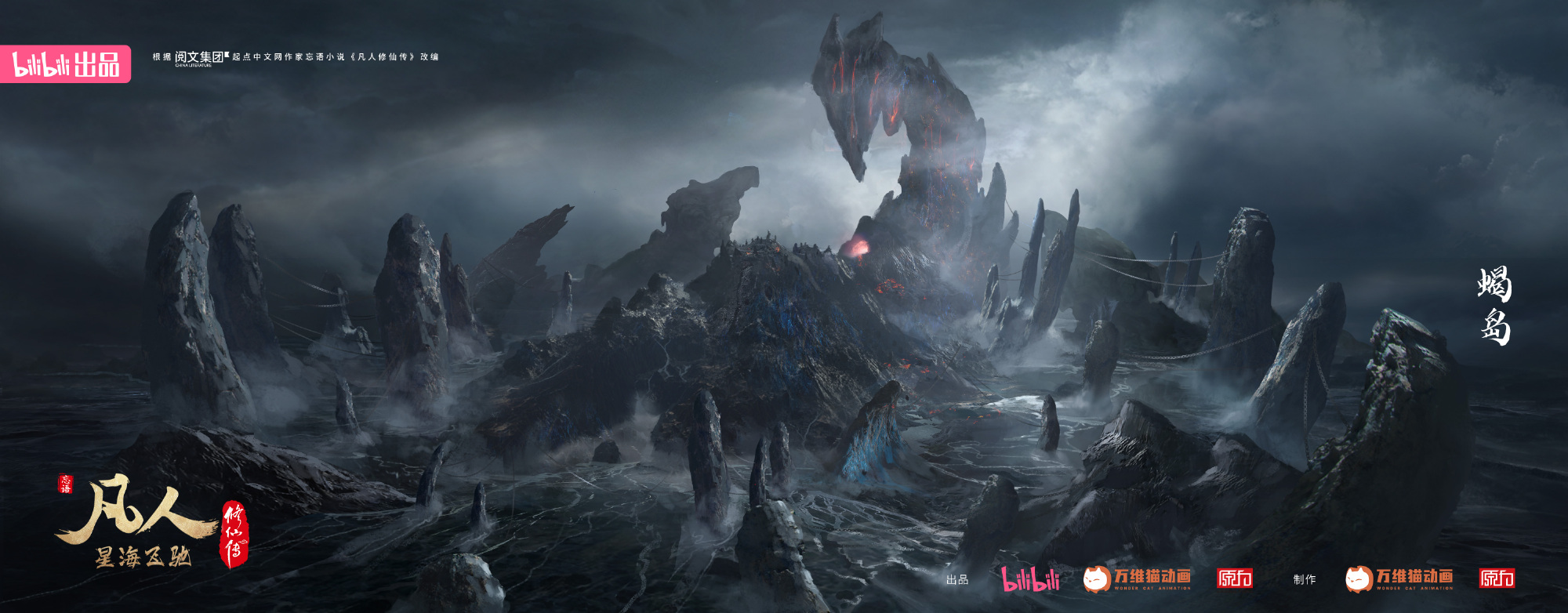
乱星海:人界篇的关键战场
乱星海是凡人修仙传人界篇中最重要的战场之一。这片广袤的海域上散布着无数岛屿,人族修士与妖族势力在此对峙了数千年。当矛盾最终激化为全面战争时,一场决定乱星海归属的人妖大战拉开了帷幕。
这场战争不是简单的两军对垒,而是牵涉了多个势力、多个层级的立体化战争。从结丹期修士的小规模遭遇战,到元婴期大修士的巅峰对决,每一个层面的战斗都对最终结局产生了影响。
人族阵营战力分析
星宫(人族核心力量)
星宫是乱星海人族势力的绝对核心。作为乱星海最大的人族势力,星宫坐拥多位元婴期修士,掌控着大量资源和阵法防御体系。
星宫的最大优势在于组织性。与妖族相对松散的联盟不同,星宫有着完整的指挥体系和后勤保障。他们能够调动大量结丹期修士形成阵法配合,以群体战力弥补个体差距。
星宫长老中,凌液子等元婴期修士是人族一方的中坚力量。虽然单个来看,他们的实力未必能与妖族顶级大妖抗衡,但通过阵法协作和地利优势,他们能够有效地牵制和消耗妖族战力。
万剑宗等盟友势力
除了星宫本身,人族一方还拉拢了万剑宗等乱星海中的其他人族势力。万剑宗以剑修闻名,攻击力极为强悍,在正面战场上是人族一方最锋利的矛。
各势力的加入使得人族在元婴期修士的总数量上勉强能与妖族抗衡,但质量上的差距仍然是一个隐忧。
韩立的角色
韩立在这场大战中扮演了一个极为特殊的角色。他的修为在战争初期虽然不是最高的,但他拥有的几个关键能力使他成为了战场上的变数:
- 噬金虫群:对任何对手都是噩梦级的存在,妖族大妖也不例外
- 竹蜂云剑阵:灵活多变的攻击手段
- 丰富的法宝储备:韩立手中的底牌之多,在场很少有人能比
更重要的是,韩立的战场判断力极为出色。他不是那种会被热血冲昏头脑的人——在该进攻时果断出手,在该撤退时毫不犹豫。这种冷静的战术素养,使得他在混乱的战场上始终能做出最正确的选择。
妖族阵营战力分析
妖族高层战力
妖族一方的优势在于顶级战力的质量。妖族大妖的肉身强度和妖力深度往往超过同阶的人族修士,这使得在最高层面的对决中,妖族占据了先天优势。
妖族之中最令人畏惧的是那些修炼了数千年的老牌大妖。它们不仅修为高深,而且许多拥有特殊的妖族血脉天赋,这些天赋往往是人族修士无法复制的。
金蛟王
金蛟王是妖族一方的核心战力之一,蛟龙血脉赋予他恐怖的肉身强度和水系神通。在乱星海这个以海洋为主的战场上,金蛟王的水系能力得到了最大程度的发挥。
金蛟王的战力在妖族元婴期大妖中属于顶尖行列。他的蛟龙之躯几乎刀枪不入,水系术法在海面上的威力更是成倍放大。对人族修士而言,在海面上遭遇金蛟王几乎等同于遭遇天灾。
风希等妖族元婴
风希等其他妖族元婴期大妖同样不容小觑。妖族的特点是个体战力往往强于同阶人族修士,这是种族天赋所决定的。风希等大妖各有各的独门神通,在战场上都是能够左右局部战局的存在。
妖族的数量优势
除了顶级战力,妖族在中低阶战力的数量上也有明显优势。大量的妖兽可以通过简单的驱使形成海浪般的攻势,即便单个妖兽不起眼,数以万计的妖兽冲击也足以淹没任何防线。
这种以量取胜的战术,给人族的结丹期和筑基期修士造成了巨大的压力。
战术层面分析
人族的防守策略
人族在这场战争中采取的主要是防守反击的策略。利用星宫的大型护岛阵法和各岛屿的地理优势,人族修士能够在防御战中极大地削弱妖族的攻势。
这种策略的核心逻辑是:妖族虽然个体强大,但在大型阵法面前,个体的力量会被极大地削弱。人族修士通过阵法将自己的力量凝聚在一起,形成远超个体之和的战斗力。
妖族的攻势特点
妖族的战术则更加直接——以强攻强,以数量碾压。妖族大妖率领妖兽军团直扑人族据点,试图凭借蛮力破开人族的防御。
这种战术在初期确实取得了不小的成果。多个外围岛屿在妖族的猛攻下失守,人族被迫收缩防线。但随着战线的推进,妖族的补给线越拉越长,攻势也逐渐显露疲态。
关键战役节点
这场大战中有几个决定性的转折点:
第一,元婴期修士的正面对决。 双方元婴期战力的几次直接碰撞,决定了各自势力范围的消长。每一位元婴期修士的胜负,都意味着一大片区域的归属变更。
第二,韩立的关键介入。 韩立在几场关键战斗中的表现,多次打破了妖族一方的攻势节奏。特别是他的噬金虫群,在对付妖族大妖时展现了惊人的克制效果。
第三,后期的战略平衡。 随着双方都付出了巨大代价,战争逐渐进入了消耗战阶段。在这个阶段,谁先撑不住,谁就输了。
双方战力对比总结
顶级战力(元婴后期)
| 对比项 | 人族 | 妖族 |
|---|---|---|
| 数量 | 略少 | 略多 |
| 个体质量 | 中上 | 上等 |
| 综合评价 | 依赖阵法和配合 | 个体优势明显 |
中层战力(元婴中前期/结丹后期)
| 对比项 | 人族 | 妖族 |
|---|---|---|
| 数量 | 相当 | 相当 |
| 组织度 | 高 | 中 |
| 综合评价 | 阵法配合下优势明显 | 单挑有优势 |
基层战力(结丹期及以下)
| 对比项 | 人族 | 妖族 |
|---|---|---|
| 数量 | 少 | 多(大量妖兽) |
| 战斗意志 | 高(保家卫国) | 中(驱使为主) |
| 综合评价 | 质量优势 | 数量优势 |
这场战争的本质
乱星海人妖大战的本质,是两种文明模式的碰撞。
人族修士的优势在于组织、传承和协作。他们能够建立阵法体系、制造法宝、传授功法,将个体的力量通过制度和技术放大数倍。这是一种文明的力量。
妖族的优势在于天赋、肉身和生命力。他们不需要复杂的社会组织,每一只妖兽天生就是战士。这是一种本能的力量。
当文明遇上本能,结果往往取决于战争的形态。短期冲突中,妖族的爆发力更强;长期消耗中,人族的组织优势更大。 乱星海大战的走向,恰恰印证了这一点。
最终,这场战争没有简单的赢家。双方都付出了惨重的代价,乱星海的格局也因此发生了深刻的变化。而韩立——这个来自天南的"外人"——却在这场大战中收获了远超预期的东西:战斗经验、修炼资源,以及对修仙界残酷本质更深的理解。
The Scattered Star Seas: A Critical Battlefield of the Mortal Realm Arc
The Scattered Star Seas (Luan Xing Hai) is one of the most important battlegrounds in the Mortal Realm Arc. This vast ocean dotted with countless islands saw human cultivators and demon factions locked in confrontation for millennia. When tensions finally erupted into full-scale war, a conflict to determine the fate of the Scattered Star Seas began.
This was no simple two-army standoff, but a multi-dimensional war involving multiple factions and combat tiers. From small-scale skirmishes between Core Formation cultivators to pinnacle duels between Nascent Soul great cultivators, every level of combat influenced the final outcome.
Human Faction Power Analysis
Star Palace (Human Core Force)
Star Palace (Xing Gong) was the absolute core of human power in the Scattered Star Seas. As the largest human faction, it commanded multiple Nascent Soul cultivators, controlling vast resources and formation defense systems.
Star Palace's greatest advantage lay in its organizational structure. Unlike the relatively loose demon alliance, Star Palace had a complete command system and logistical support network. They could mobilize large numbers of Core Formation cultivators into coordinated formation combat, using collective power to compensate for individual gaps.
Among the Star Palace elders, Ling Yuzi (Ling Ye Zi) and other Nascent Soul cultivators served as the human side's backbone. While their individual strength might not match the top-tier demon great beasts, through formation coordination and terrain advantages, they could effectively pin down and wear out demon forces.
Myriad Sword Sect and Allied Forces
Beyond Star Palace itself, the human side also recruited the Myriad Sword Sect (Wan Jian Zong) and other human factions in the Scattered Star Seas. The Myriad Sword Sect, renowned for its sword cultivators, possessed extremely formidable offensive power and served as the sharpest spear on the frontlines.
The addition of these factions allowed the human side to barely match the demons in total Nascent Soul cultivator count, though the quality gap remained a concern.
Han Li's Role
Han Li (Han Li) played an exceptionally unique role in this war. Though his cultivation was not the highest at the war's outset, several key capabilities made him a wild card on the battlefield:
- Gold Devouring Beetle swarm: A nightmare-level threat to any opponent, demon great beasts included
- Azure Bamboo Cloudswarm Sword formation: Flexible and versatile attack methods
- Extensive treasure reserves: Few on the field could match the sheer number of Han Li's trump cards
More importantly, Han Li's battlefield judgment was outstanding. He was not the type to be carried away by adrenaline -- striking decisively when offense was called for, retreating without hesitation when withdrawal was prudent. This calm tactical temperament allowed him to consistently make the right decisions amid the chaos of the battlefield.
Demon Faction Power Analysis
Demon High Command
The demon side's advantage lay in the quality of their top-tier fighters. Demon great beasts' physical strength and demonic energy depth typically exceeded same-stage human cultivators, giving them an innate advantage in the highest-level confrontations.
The most feared among the demons were those ancient great beasts who had cultivated for millennia. Not only were their cultivation levels deep, but many possessed unique bloodline talents that human cultivators simply could not replicate.
Golden Flood Dragon King (Jin Jiao Wang)
The Golden Flood Dragon King was one of the core combat forces on the demon side. His flood dragon bloodline granted him terrifying physical strength and water-element divine abilities. In the Scattered Star Seas -- a primarily oceanic battlefield -- the Golden Flood Dragon King's water abilities were amplified to their maximum potential.
His combat power ranked among the elite of demon Nascent Soul great beasts. His flood dragon body was virtually impervious to attacks, and his water-element techniques were multiplied in power on the open seas. For human cultivators, encountering the Golden Flood Dragon King at sea was practically equivalent to facing a natural disaster.
Feng Xi and Other Demon Nascent Souls
Feng Xi (Feng Xi) and other demon Nascent Soul great beasts were equally formidable. The demon faction's hallmark is that individual combat power typically exceeds same-stage human cultivators -- a consequence of racial talent. Each great beast commanded unique divine abilities capable of shifting the outcome of local engagements.
Demon Numerical Advantage
Beyond top-tier combat power, the demons held a clear advantage in mid-to-low-tier troop numbers. Vast quantities of demon beasts could be driven in wave-like assaults; even if individual beasts were unremarkable, tens of thousands charging together could overwhelm any defensive line.
This quantity-based tactic placed enormous pressure on the human side's Core Formation and Foundation Establishment cultivators.
Tactical Analysis
Human Defensive Strategy
The human side primarily adopted a defensive counterattack strategy. Leveraging Star Palace's large-scale island-protecting formations and the geographical advantages of various islands, human cultivators could significantly weaken demon offensives during defensive engagements.
The core logic: though demons are individually powerful, the power of individuals is greatly diminished against large formations. By channeling collective power through formations, human cultivators generated combat strength far exceeding the sum of individual contributions.
Demon Offensive Approach
Demon tactics were more direct -- overwhelm with strength, crush with numbers. Demon great beasts led demon beast armies in direct assaults on human strongholds, attempting to break through defenses through sheer force.
This approach initially achieved considerable success. Multiple outlying islands fell under demon assault, forcing the human side to contract their defensive lines. But as the front extended, demon supply lines grew increasingly strained, and the offensive began showing signs of fatigue.
Critical Battle Turning Points
Several decisive turning points shaped this war:
First, direct confrontations between Nascent Soul cultivators. Each clash between Nascent Soul-level forces on both sides determined the expansion or contraction of territorial control. Every single Nascent Soul cultivator's victory or defeat meant the transfer of a large swathe of territory.
Second, Han Li's key interventions. Han Li's performance in several critical battles repeatedly disrupted the demon side's offensive rhythm. His Gold Devouring Beetle swarm proved particularly devastating against demon great beasts.
Third, the late-war strategic equilibrium. As both sides paid heavy costs, the war gradually entered a war of attrition. At this stage, whoever broke first, lost.
Overall Power Comparison Summary
Top-Tier Power (Late Nascent Soul)
| Category | Human | Demon |
|---|---|---|
| Quantity | Slightly fewer | Slightly more |
| Individual quality | Upper-mid | Upper |
| Overall assessment | Reliant on formations and coordination | Clear individual advantage |
Mid-Tier Power (Early-Mid Nascent Soul / Late Core Formation)
| Category | Human | Demon |
|---|---|---|
| Quantity | Comparable | Comparable |
| Organization | High | Medium |
| Overall assessment | Clear advantage under formation support | Advantage in duels |
Base-Tier Power (Core Formation and below)
| Category | Human | Demon |
|---|---|---|
| Quantity | Fewer | More (vast demon beast armies) |
| Fighting spirit | High (defending homeland) | Medium (driven by command) |
| Overall assessment | Quality advantage | Quantity advantage |
The True Nature of This War
The Human-Demon War of the Scattered Star Seas was, at its core, a collision between two civilizational models.
The human cultivators' advantage lay in organization, legacy, and cooperation. They could establish formation systems, manufacture treasures, transmit cultivation techniques, and multiply individual power through institutions and technology. This is the power of civilization.
The demons' advantage lay in talent, physical prowess, and vitality. They needed no complex social organization -- every demon beast was a born warrior. This is the power of instinct.
When civilization meets instinct, the outcome depends on the form of conflict. In short-term clashes, the demons' explosive power is greater; in prolonged attrition, the humans' organizational advantage prevails. The course of the Scattered Star Seas war confirmed exactly this.
Ultimately, there was no simple winner. Both sides paid devastating costs, and the Scattered Star Seas' power structure was fundamentally reshaped. And Han Li -- this "outsider" from the Heavenly South -- harvested far more than expected from this great war: combat experience, cultivation resources, and a deeper understanding of the cultivation world's brutal nature.