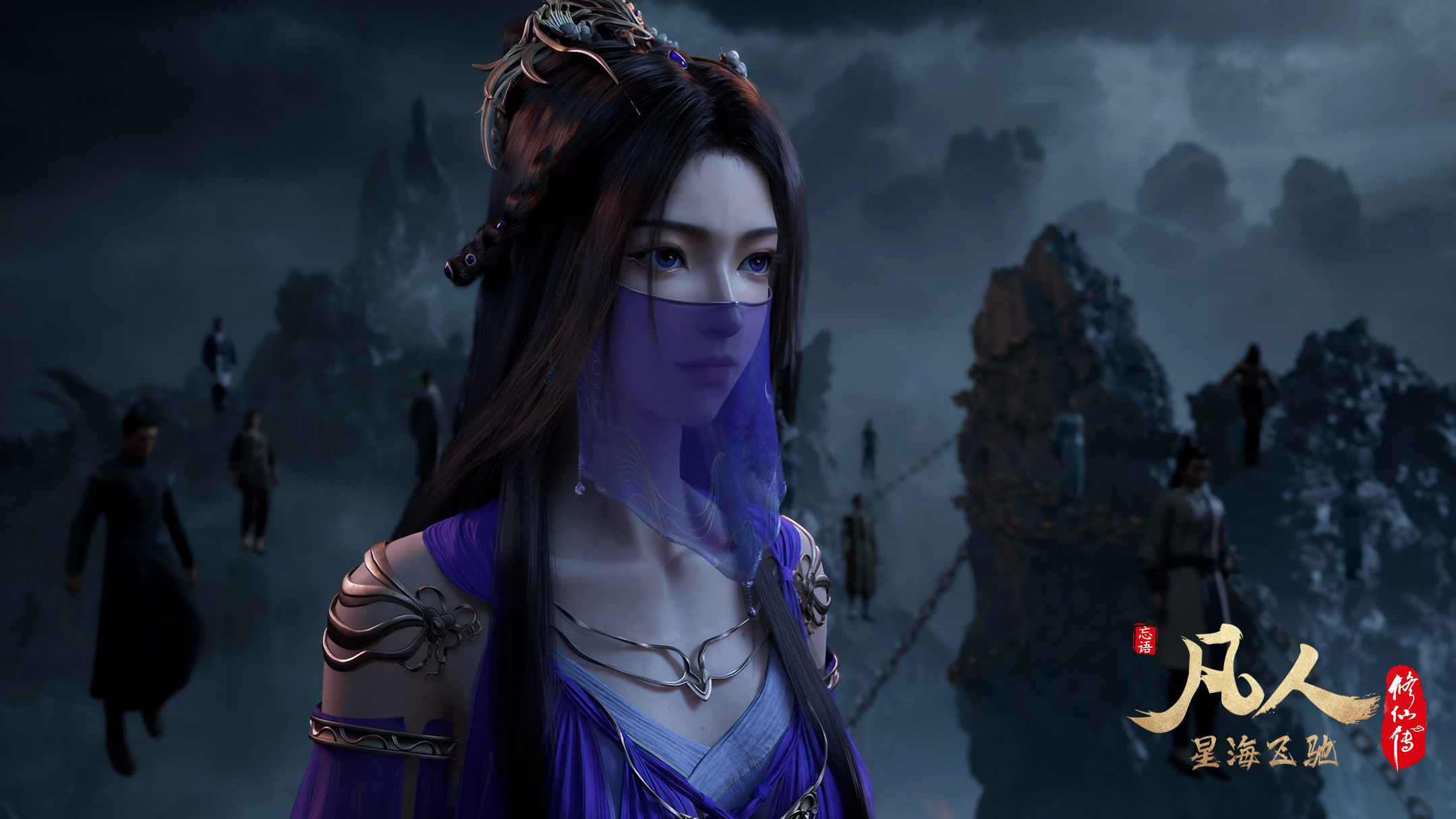
从人界到灵界:战力标准的颠覆
当韩立踏入灵界的那一刻,他在人界建立的所有战力认知都被推翻了。
在人界,化神期是最高峰,元婴期修士就是一方霸主。但在灵界,化神期只是修炼的中间阶段,元婴期修士甚至不够资格参与高层事务。灵界的境界体系在化神期之上延伸出了炼虚、合体、大乘三个大境界,而大乘期之上还有渡劫飞升、成就真仙的可能。
这意味着,灵界的战力天花板比人界高了不止一个数量级。而灵界的政治格局和势力版图,也因此呈现出远比人界复杂得多的面貌。
灵界三族鼎立
人族
灵界的人族势力庞大而分散,分布在灵界的各个区域。人族的核心优势在于数量、传承和协作能力。
人族的顶级战力集中在几大超级势力中。各大势力都拥有合体期甚至大乘期的老祖坐镇,这些老祖级人物是各势力的定海神针。
人族修士的特点是功法体系最为完善。从炼器、阵法、丹道到各种战斗术法,人族在技术层面的积累远超其他两族。这使得人族修士在同阶对决中,虽然个体天赋可能不如妖族或魔族,但通过法宝和术法的加持,往往能弥补先天差距。
灵界人族中几个值得关注的顶级存在:
玄武真人等合体期大修士:他们是人族势力的核心战力,每一位都是修炼了数万年的老牌强者。合体期修士的战力已经远超化神期和炼虚期——他们不仅法力浑厚,更重要的是对天地法则有了深刻的领悟,能够驱动自然之力为己用。
大乘期老祖:大乘期是灵界的最高战力层级(不算渡劫飞升者)。大乘期修士的实力已经接近传说中的仙人,他们对天地法则的掌控达到了极致。每一位大乘期修士都是一个势力的终极威慑,他们的存在本身就足以维持一方平衡。
妖族
灵界的妖族同样势力庞大,且在个体战力上往往强于同阶的人族修士。
妖族的优势来源于血脉天赋。不同种族的妖族拥有各自独特的天赋能力——龙族的肉身强度、凤族的火系天赋、麒麟一族的感知能力等。这些天赋是与生俱来的,不需要后天修炼就能发挥作用。
灵界妖族的真灵家族是妖族战力的巅峰代表。所谓真灵,是指那些拥有上古真灵血脉的妖族大能。真灵家族的核心成员,在同阶中几乎是无敌的存在——真灵血脉赋予他们超越常理的力量。
妖族的社会结构比人族更加简单直接:强者为尊。这种结构的好处是决策效率高,坏处是内部争斗也更加激烈。妖族的势力版图,往往随着顶级强者的兴衰而剧烈变动。
魔族
魔族是灵界的最大外部威胁。与人族和妖族不同,魔族来自另一个位面——魔界,他们入侵灵界的目的是征服和掠夺。
魔族的战力体系与灵界修士截然不同。魔族大能修炼的是魔功,这种功法路线与灵界的修仙体系有本质区别。魔功的特点是破坏力极强,但在精细操控和持久战方面不如灵界修士。
魔族的顶级战力极为可怕。魔族的祖魔级存在,实力堪比甚至超越灵界的大乘期修士。在魔族入侵灵界的战争中,这些祖魔级存在是灵界联军最头疼的对手。
宝花是魔族祖魔级中一个极为特殊的存在。她的实力在祖魔级中也属于顶尖,但她行事风格独立,立场并不像其他祖魔那样单纯——在魔族入侵灵界的战争中,她因自身利益考量而与韩立等灵界修士有过多次合作,是魔族中最难以捉摸的变数。
灵界战力层级
大乘期:凡人修炼的极致
大乘期是灵界凡人修士所能达到的最高境界(不算飞升成仙)。大乘期修士的战力已经达到了一个令人难以想象的高度:
- 法力深度:一位大乘期修士的法力总量,可能抵得上数十位合体期修士之和
- 法则掌控:大乘期修士对天地法则有了极深的领悟,能够直接操控自然规律
- 领域能力:大乘期修士通常拥有自己的"领域",在领域内他们几乎是无所不能的
- 寿元:大乘期修士的寿命极长,这意味着他们有充足的时间积累和准备
合体期:灵界的中坚力量
合体期修士在灵界的地位,类似于元婴期修士在人界的地位——一方霸主级别的存在。
合体期的修士已经将元神与天地初步合一,这赋予他们远超炼虚期的战力。但合体期内部的差距同样巨大——合体初期和合体后期之间的实力差距,比人界元婴初期和元婴后期之间的差距还要大。
炼虚期:高层的入场券
炼虚期是灵界修士进入高层的门槛。炼虚期修士已经有资格参与各大势力的核心事务,但在顶级战争中,他们更多扮演的是辅助和补位的角色。
化神期及以下:灵界的"凡人"
在灵界,化神期以下的修士虽然数量庞大,但在战力版图上几乎没有存在感。他们是灵界各势力的基层力量,在大规模战争中扮演炮灰或后勤的角色。
魔族入侵与灵界战力的重组
战争的起因与规模
魔族入侵灵界是灵界篇最核心的大事件。这场战争的规模远超人界的任何冲突——参战者从化神期到大乘期,战场覆盖灵界的多个大陆,持续时间以千年计。
这场战争迫使灵界的人族和妖族放下成见,组成联盟共同对抗魔族。这种前所未有的联合,本身就说明了魔族威胁的严重性。
双方的战力对比
在顶级战力层面,魔族与灵界联军大致势均力敌。魔族的祖魔级存在实力极为恐怖,但灵界联军的大乘期修士也不是吃素的。双方在最高层面的对决,往往决定了整个战区的走向。
在中层战力方面,灵界联军的优势更加明显。人族修士的阵法配合和妖族的个体战力结合在一起,产生了一加一大于二的效果。
但魔族的最大优势在于不计代价的攻势。魔族大军可以源源不断地从魔界涌入灵界,而灵界联军的兵力是有限的。这种消耗战对灵界一方极为不利。
韩立在灵界战争中的成长
韩立来到灵界后,经历了从化神期到合体期甚至更高境界的成长过程。在这个过程中,他从一个新来者逐步成长为灵界战力版图上的重要一极。
韩立在灵界的优势延续了他在人界的特点——多元化的战力构成。噬金虫群在灵界继续进化,成为了更加恐怖的存在;竹蜂云剑在灵界的材料升级后威力倍增;加上他在灵界获得的新功法和新法宝,韩立的综合战力在同阶中始终处于顶尖位置。
灵界与人界战力体系的本质差异
法则的权重
人界的战斗更多依赖法力对拼和法宝碰撞,对天地法则的运用很少。但在灵界,越高的境界对法则的依赖越大。大乘期修士之间的对决,本质上是法则层面的博弈,纯粹的法力对拼反而退居次要地位。
底蕴的差距
灵界各大势力经过数十万年的积累,拥有人界势力无法想象的底蕴。从顶级功法、古老阵法到各种逆天法宝,灵界的修炼资源比人界丰富了无数倍。这也是为什么灵界能培养出大乘期这样的顶级存在,而人界连化神期都凤毛麟角。
战争形态的升级
人界的战争更像是中世纪的领主争斗——规模有限,手段有限。灵界的战争则是文明级别的碰撞——三个种族的命运在战场上决定,每一场大战都可能改变灵界的历史走向。
结语:力量的边界在哪里?
灵界篇最令人深思的问题是:力量的边界在哪里?
在人界时,化神期似乎就是极限。但来到灵界后,化神期只是起点。合体期、大乘期,乃至传说中的真仙境界,每一层都打开了一个新的世界。
而凡人修仙传要表达的或许是:没有什么是终极的强大。无论站在多高的位置,头顶永远有更广阔的天空。韩立从七玄门的练气小修士一路走来,每到一个新的层次都发现自己仍然渺小——但他从未因此停下脚步。
这种永不止步的攀登精神,才是凡人修仙传最核心的主题。而灵界的战力格局,不过是这个主题的一个宏大注脚而已。
From Mortal Realm to Spirit Realm: A Revolution in Power Standards
The moment Han Li (Han Li) stepped into the Spirit Realm, every power-level assumption he had built in the Mortal Realm was overturned.
In the Mortal Realm, Deity Transformation was the highest peak, and Nascent Soul cultivators were regional overlords. But in the Spirit Realm, Deity Transformation is merely a mid-tier cultivation stage, and Nascent Soul cultivators are not even qualified to participate in high-level affairs. The Spirit Realm's cultivation hierarchy extends above Deity Transformation into three additional major stages: Void Refinement (Lian Xu), Body Integration (He Ti), and Grand Ascension (Da Cheng), with the possibility of tribulation-crossing ascension to True Immortal status beyond Grand Ascension.
This means the Spirit Realm's power ceiling is higher than the Mortal Realm's by more than an order of magnitude. And the Spirit Realm's political landscape and faction map are correspondingly far more complex.
In the Spirit Realm's cultivation hierarchy, each stage represents a qualitative transformation in power. Void Refinement begins the process of refining the void itself; Body Integration merges the cultivator's spirit with heaven and earth; Grand Ascension represents the pinnacle of mortal achievement -- any further means transcending to immortality.
The Spirit Realm's Tripartite Balance
Human Race
The Spirit Realm's human race commands vast but dispersed forces, distributed across multiple regions. The human race's core advantage lies in numbers, legacy, and cooperative ability.
Human top-tier combat power concentrates within several super-factions. Each major faction has Body Integration or even Grand Ascension patriarchs as guardians -- these patriarch-level figures serve as each faction's immovable anchors.
Human cultivators' hallmark is their most complete technique systems. From artifact refining, formation arts, and pill-making to various combat spells, the human race's technological accumulation far surpasses the other two races. This means that in same-stage duels, while human cultivators' individual talent may not match the demon or devil races, they can often compensate for innate gaps through treasures and spells.
Several noteworthy supreme existences among the Spirit Realm's humans:
Daoist Xuan Wu and other Body Integration great cultivators: They constitute human factions' core combat power, each a veteran powerhouse with tens of thousands of years of cultivation. Body Integration cultivators' combat strength vastly exceeds Deity Transformation and Void Refinement -- they not only possess abundant spiritual power but, more importantly, have gained deep comprehension of the laws of heaven and earth, enabling them to harness natural forces.
Grand Ascension patriarchs: Grand Ascension is the Spirit Realm's highest combat tier (excluding those who cross tribulation and ascend). Grand Ascension cultivators' strength approaches legendary immortals, with their mastery of heavenly laws reaching the ultimate level. Every Grand Ascension cultivator serves as a faction's supreme deterrent, their mere existence sufficient to maintain regional balance.
Demon Race
The Spirit Realm's demon race commands equally vast forces, and in individual combat power they typically surpass same-stage human cultivators.
The demon advantage stems from bloodline talents. Different demon races possess unique innate abilities -- the dragon clan's physical might, the phoenix clan's fire talent, the qilin clan's perceptive abilities, and so forth. These talents are inborn and require no cultivation to manifest.
The Spirit Realm's True Spirit families represent the absolute pinnacle of demon combat power. True Spirits are demon powerhouses who carry ancient True Spirit bloodlines. Core members of True Spirit families are virtually invincible at their stage -- True Spirit bloodlines grant them power that defies conventional limits.
Demon social structure is simpler and more direct than humans': the strong rule. This structure's advantage is high decision-making efficiency; its disadvantage is more intense internal conflict. The demon faction's power map frequently shifts dramatically with the rise and fall of top-tier powerhouses.
Devil Race (Mo Zu)
The devil race is the Spirit Realm's greatest external threat. Unlike the human and demon races, the devil race originates from another plane -- the Devil Realm (Mo Jie) -- and their purpose in invading the Spirit Realm is conquest and plunder.
The devil race's combat system fundamentally differs from Spirit Realm cultivators'. Devil powerhouses cultivate demonic arts (Mo Gong), a cultivation path with essential differences from the Spirit Realm's immortal cultivation system. Demonic arts are characterized by extreme destructive power, though they fall short in precise control and sustained combat compared to Spirit Realm cultivators.
The devil race's top-tier combat power is terrifying. Devil Ancestor-level existences possess strength comparable to or even exceeding Spirit Realm Grand Ascension cultivators. During the devil race's invasion of the Spirit Realm, these Devil Ancestor-level beings were the Spirit Realm alliance's most formidable opponents.
Bao Hua is a highly unusual existence among the devil race. Her strength ranks among the elite even among Devil Ancestors, but she operates independently and her stance is not as straightforward as other Devil Ancestors'. During the devil race's invasion of the Spirit Realm, she cooperated with Han Li and other Spirit Realm cultivators on multiple occasions due to her own interests, making her the most unpredictable variable within the devil race.
Spirit Realm Power Hierarchy
Grand Ascension: The Pinnacle of Mortal Cultivation
Grand Ascension is the highest stage attainable by mortal cultivators in the Spirit Realm (excluding ascension to immortality). Grand Ascension cultivators' combat power reaches levels almost beyond imagination:
- Spiritual power depth: A single Grand Ascension cultivator's total spiritual power may equal that of dozens of Body Integration cultivators combined
- Law mastery: Grand Ascension cultivators have achieved extremely deep comprehension of heavenly laws, able to directly manipulate natural principles
- Domain abilities: Grand Ascension cultivators typically possess personal "domains" where they are virtually omnipotent
- Lifespan: Grand Ascension cultivators live extraordinarily long, giving them ample time for accumulation and preparation
Body Integration: The Spirit Realm's Backbone
Body Integration cultivators hold a position in the Spirit Realm analogous to Nascent Soul cultivators' status in the Mortal Realm -- regional overlord-level existences.
Body Integration cultivators have preliminarily merged their primordial spirit with heaven and earth, granting them combat power far surpassing Void Refinement. But the internal gap within Body Integration is equally enormous -- the power difference between early Body Integration and late Body Integration exceeds the gap between early Nascent Soul and late Nascent Soul in the Mortal Realm.
Void Refinement: Entry Ticket to the Upper Echelon
Void Refinement is the threshold for Spirit Realm cultivators to enter the upper echelon. Void Refinement cultivators qualify to participate in major factions' core affairs, but in top-tier warfare, they primarily serve in support and reserve roles.
Deity Transformation and Below: The Spirit Realm's "Commoners"
In the Spirit Realm, cultivators below Deity Transformation, though vast in number, have virtually no presence on the power map. They constitute the base-level forces of Spirit Realm factions, serving as cannon fodder or logistics personnel in large-scale wars.
Devil Race Invasion and the Spirit Realm's Power Restructuring
Cause and Scale of the War
The devil race's invasion of the Spirit Realm is the Spirit Realm Arc's most central event. This war's scale far surpasses any conflict in the Mortal Realm -- participants range from Deity Transformation to Grand Ascension, the battlefield spans multiple Spirit Realm continents, and the duration is measured in millennia.
This war forced the Spirit Realm's human and demon races to set aside their differences and form an alliance against the devil race. This unprecedented union itself speaks to the severity of the devil threat.
Power Comparison Between the Two Sides
At the top-tier power level, the devil race and Spirit Realm alliance are roughly evenly matched. Devil Ancestor-level existences possess terrifying strength, but the Spirit Realm alliance's Grand Ascension cultivators are equally formidable. Confrontations at the highest level between both sides often determine the fate of entire war zones.
At the mid-tier power level, the Spirit Realm alliance holds a more pronounced advantage. The combination of human cultivators' formation coordination and demon race's individual combat prowess produces a one-plus-one-greater-than-two effect.
But the devil race's greatest advantage lies in its relentless offensive regardless of cost. Devil armies can pour endlessly from the Devil Realm into the Spirit Realm, while the Spirit Realm alliance's forces are finite. This war of attrition is extremely unfavorable for the Spirit Realm side.
Han Li's Growth During the Spirit Realm War
After arriving in the Spirit Realm, Han Li underwent growth from Deity Transformation to Body Integration and even higher stages. Throughout this process, he evolved from a newcomer into a significant force on the Spirit Realm's power map.
Han Li's advantages in the Spirit Realm continue the patterns from the Mortal Realm -- diversified combat composition. The Gold Devouring Beetle swarm continues evolving into an even more fearsome existence; the Azure Bamboo Cloudswarm Swords multiply in power after Spirit Realm material upgrades; combined with new techniques and treasures acquired in the Spirit Realm, Han Li's comprehensive combat power consistently remains at the apex of his stage.
Essential Differences Between Spirit and Mortal Realm Power Systems
The Weight of Laws
Mortal Realm combat relies more heavily on spiritual power contests and treasure clashes, with minimal utilization of heavenly laws. But in the Spirit Realm, the higher the stage, the greater the dependence on laws. Duels between Grand Ascension cultivators are essentially contests at the level of laws, with pure spiritual power competition relegated to secondary importance.
The Gap in Accumulated Heritage
Spirit Realm factions have accumulated heritage over hundreds of thousands of years that Mortal Realm factions cannot begin to imagine. From supreme techniques and ancient formations to various heaven-defying treasures, the Spirit Realm's cultivation resources exceed the Mortal Realm's by an inconceivable magnitude. This is why the Spirit Realm can produce Grand Ascension-level supreme existences while the Mortal Realm can barely produce a handful of Deity Transformation cultivators.
The Evolution of Warfare
Mortal Realm wars more closely resemble medieval feudal conflicts -- limited in scale, limited in methods. Spirit Realm wars are civilization-level collisions -- the fates of three races are decided on the battlefield, and every great battle may alter the Spirit Realm's historical trajectory.
Conclusion: Where Are the Limits of Power?
The Spirit Realm Arc's most thought-provoking question is: where are the limits of power?
In the Mortal Realm, Deity Transformation seemed like the absolute limit. But upon reaching the Spirit Realm, Deity Transformation proves to be merely a starting point. Body Integration, Grand Ascension, and even the legendary True Immortal realm -- each layer opens an entirely new world.
What A Record of a Mortal's Journey to Immortality may be expressing is: nothing is ultimately powerful. No matter how high one's position, there is always a vaster sky overhead. Han Li has walked all the way from a Qi Condensation novice at the Seven Mysteries Sect, discovering at each new level that he remains small -- yet he has never stopped because of it.
This spirit of ceaseless climbing is the most essential theme of A Record of a Mortal's Journey to Immortality. And the Spirit Realm's power landscape is merely a grand footnote to that theme.