远古遗产的诱惑
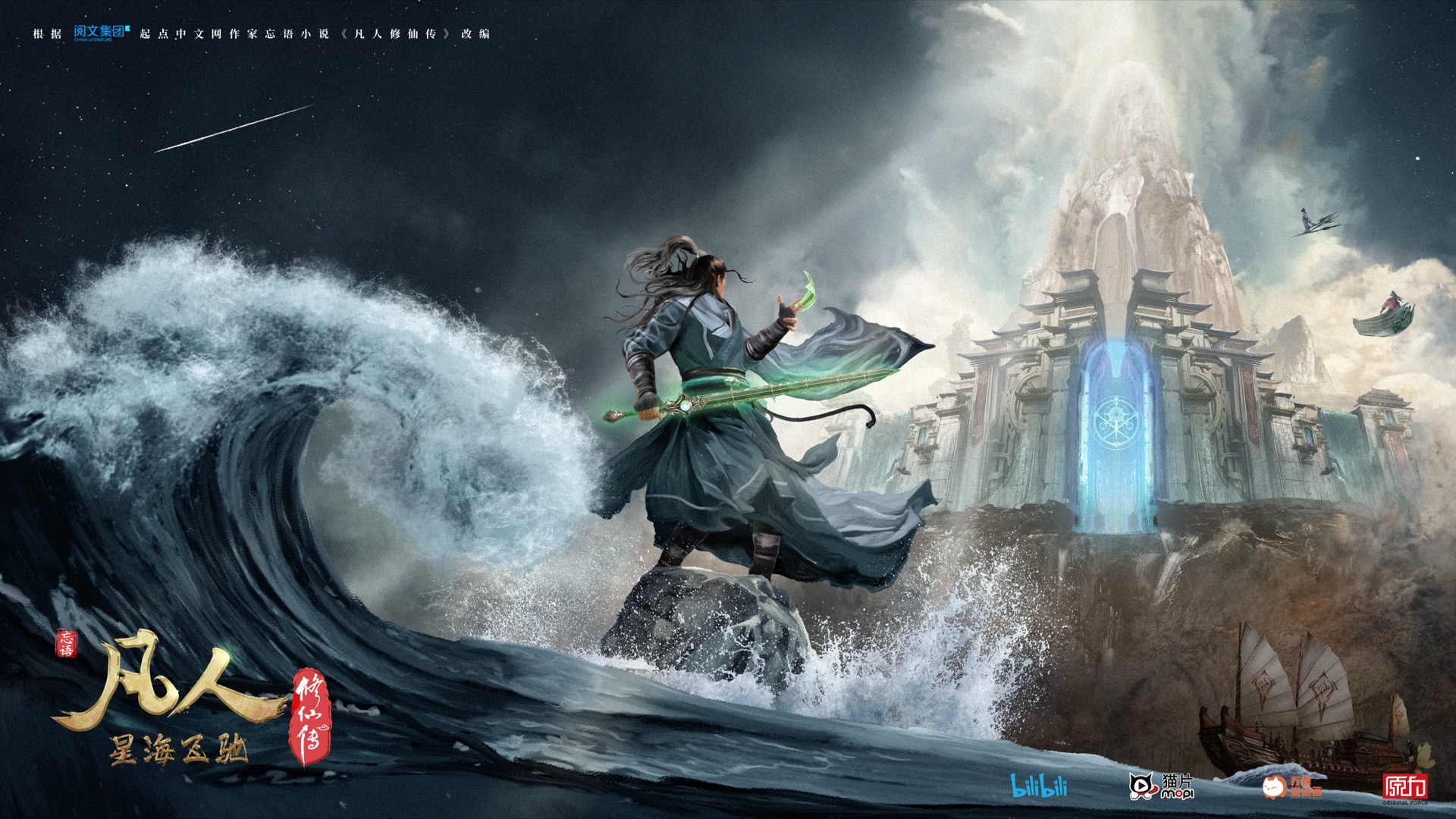
虚天殿,传说是一位远古大修士遗留的洞府宝库,封存着无数珍稀法宝、灵药和功法。对于天南修仙界的元婴期修士来说,虚天殿的开启是百年一遇的机缘——也是改变命运的契机。
但虚天殿的真正价值不仅在于它的宝物,更在于它作为叙事装置的功能:它是一面照妖镜,照出了每个进入者最真实的欲望和本性。
宝物分类
虚天殿中的宝物大致可以分为以下几个层次:
远古法宝
虚天殿中保存的法宝大多出自远古时代,其炼制工艺和品质远超当代修士的水平。这些法宝的特点是:材料珍稀(许多材料在当世已经绝迹)、威能强大(远古修士的炼器术已经失传)、但需要极高的修为才能驱动。
对于元婴期修士来说,这些法宝中有相当一部分超出了他们的驾驭范围——但即使只能发挥三成威力,也已经足以碾压当代同级法宝。
远古灵药
虚天殿中的灵药经过数千上万年的封存,其中一部分已经失去药效,但也有一部分因为特殊的封存阵法而保持甚至提升了品质。这些灵药的价值对韩立来说尤其重大——配合掌天瓶的催熟能力,一株千年灵药的种子可以在他手中变成万年珍品。
功法玉简
也许是虚天殿中最容易被忽视但最有长期价值的收获。远古修士的功法理念在很多方面超越当代,这些功法即使无法直接修炼,其中蕴含的修炼理念也能为修士打开新的思路。
阵法与禁制
虚天殿本身就是一个巨大的阵法作品。它的防御禁制、空间结构、甚至宝物的保管方式都蕴含着高深的阵法之道。对于精通阵法的修士来说,研究虚天殿的结构本身就是一笔巨大的财富。
夺宝者群像
虚天殿的精彩之处不仅在于宝物本身,更在于进入夺宝的人们各怀心思。
韩立——进入虚天殿的目标明确:获取突破修为所需的资源。他的策略一如既往地务实——不争最显眼的宝物,不与人正面冲突,利用噬金虫和青竹蜂云剑的独特能力获取别人拿不到的东西。韩立在虚天殿中的行为完美体现了他的核心哲学:不要最好的,要最适合的。
南陇侯——虚天殿是南陇侯人生转折点。在此之前,他和韩立是表面上的盟友;在此之后,两人走向了不可调和的对立。南陇侯的行为暴露了他的根本问题:他把虚天殿视为翻盘的唯一机会,因此愿意为了宝物付出任何代价——包括背叛韩立。
其他元婴修士——虚天殿中还有其他各方势力的高手,他们之间的合纵连横、尔虞我诈构成了一幅修仙世界政治博弈的缩影。有人结盟、有人背叛、有人渔翁得利、有人血洒当场。
虚天殿的叙事功能
从叙事角度看,虚天殿完成了几个关键任务:
一、实力跃升。韩立在虚天殿中获得的宝物和资源,为他后续的修炼突破提供了物质基础。这是一次"装备升级"的情节节点。
二、关系断裂。南陇侯的背叛在虚天殿中达到高潮,两人从盟友变成死敌。这条感情线的断裂推动了后续人界篇的核心冲突。
三、世界观扩展。虚天殿中的远古遗物暗示了一个比当代修仙界更加辉煌的过去——远古修士的实力远超当代,这为后续灵界、仙界的世界观扩展埋下了伏笔。
四、角色考验。虚天殿是一个道德的试炼场。面对巨大的利益诱惑,每个人的选择都暴露了他们最真实的本性。韩立的克制与务实,南陇侯的贪婪与背叛,都在这里得到了最清晰的展现。
远古文明的回响
虚天殿提出了凡人修仙传中一个反复出现的主题:当代修仙界是一个衰落的文明。
远古修士的法宝、阵法、灵药,每一样都远超当代水平。虚天殿不是一个宝库,而是一座纪念碑——纪念一个已经消逝的辉煌时代。
为什么远古文明会衰落?小说没有给出明确的答案,但散布在各处的线索暗示了几种可能:灵气浓度下降导致修炼困难增加、远古大战消耗了大量顶级修士和资源、传承断裂导致知识流失。
韩立从虚天殿中带出的不仅仅是宝物,还有一种认知:他所在的世界远不是这个宇宙的全部,在时间和空间的更远处,有着远比他当前能想象的更广阔的天地。
这种认知,也许比任何法宝都更有价值。它让韩立意识到,修仙之路没有终点——永远有更高的山、更远的路、更深的秘密等待着他。
而他,只是刚刚出发。
The Lure of an Ancient Legacy
The Void Heaven Hall (虚天殿, Xūtiān Diàn) was, according to legend, the cave abode treasury left behind by a great ancient cultivator, sealed away with countless rare treasures, spirit herbs, and cultivation techniques. For the Nascent Soul cultivators of the Heavenly South cultivation world, the opening of the Void Heaven Hall was a once-in-a-century opportunity — and a chance to change one's destiny.
But the Void Heaven Hall's true value lay not only in its treasures — it also functioned as a narrative device: it was a magic mirror that reflected the truest desires and natures of everyone who entered.
Treasure Classification
The treasures within the Void Heaven Hall could be broadly categorized into several tiers:
Ancient Magical Treasures
The treasures preserved in the Void Heaven Hall mostly dated from the ancient era. Their craftsmanship and quality far exceeded what contemporary cultivators could produce. These treasures were characterized by: rare materials (many of which had gone extinct in the modern era), tremendous power (the ancient treasure-refining arts having been lost to time), and requirements for extremely high cultivation to operate.
For Nascent Soul cultivators, a significant portion of these treasures exceeded their capacity to fully control — yet even at just thirty percent of their full power, they could already overwhelm same-level contemporary treasures.
Ancient Spirit Herbs
The spirit herbs within the Void Heaven Hall had been sealed for thousands or even tens of thousands of years. Some had lost their efficacy, but others, thanks to special preservation formations, had maintained or even enhanced their quality. These herbs were of particular value to Han Li (韩立) — combined with the Heavenly Bottle's (掌天瓶) maturation-accelerating ability, a thousand-year herb seed could become a ten-thousand-year treasure in his hands.
Cultivation Technique Jade Slips
Perhaps the most easily overlooked yet most enduringly valuable harvest from the Void Heaven Hall. Ancient cultivators' cultivation philosophies surpassed the contemporary era in many respects. Even if these techniques could not be directly practiced, the cultivation insights they contained could open entirely new avenues of thought for cultivators.
Formations and Restrictions
The Void Heaven Hall itself was a monumental formation masterwork. Its defensive restrictions, spatial architecture, and even the methods of treasure preservation all embodied profound formation arts. For cultivators skilled in formations, studying the Hall's structure was itself an immense fortune.
Profiles of the Treasure Seekers
The brilliance of the Void Heaven Hall lay not only in its treasures but in the varied agendas of those who entered.
Han Li — His goals upon entering the Void Heaven Hall were clear: obtain resources needed for cultivation breakthroughs. His strategy was characteristically pragmatic — avoid the most eye-catching treasures, avoid direct confrontation, and use the unique capabilities of the Gold Devouring Beetles (噬金虫) and Azure Bamboo Cloudswarm Swords (青竹蜂云剑) to secure what others could not. Han Li's conduct in the Hall perfectly embodied his core philosophy: Don't take the best — take what suits you best.
Marquis Nanlong (南陇侯, Nánlǒng Hóu) — The Void Heaven Hall was the turning point of Marquis Nanlong's life. Before it, he and Han Li were ostensible allies; afterward, they became irreconcilable enemies. Nanlong's actions revealed his fundamental flaw: he viewed the Hall as his only chance to turn his fortunes around, and was therefore willing to pay any price for its treasures — including betraying Han Li.
Other Nascent Soul cultivators — Various other factions' experts were present in the Hall, and their alliances, betrayals, and machinations formed a microcosm of the cultivation world's political gamesmanship. Some formed alliances, some betrayed allies, some fished in troubled waters, and some paid with their blood.
The Void Heaven Hall's Narrative Function
From a storytelling perspective, the Void Heaven Hall accomplished several key objectives:
One: Power escalation. The treasures and resources Han Li obtained in the Hall provided the material foundation for his subsequent cultivation breakthroughs. It was a pivotal "equipment upgrade" moment in the story.
Two: Relationship rupture. Marquis Nanlong's betrayal reached its climax within the Hall, turning the two from allies into mortal enemies. The severing of this relationship drove the core conflicts of the later Mortal Realm Arc.
Three: Worldbuilding expansion. The ancient relics within the Hall hinted at a past far more glorious than the contemporary cultivation world — ancient cultivators were vastly more powerful than their modern counterparts. This foreshadowed the later worldbuilding expansion into the Spirit Realm (灵界) and Immortal Realm (仙界).
Four: Character testing. The Void Heaven Hall served as a crucible of moral testing. In the face of enormous temptation, each person's choices revealed their truest nature. Han Li's restraint and pragmatism, Nanlong's greed and betrayal — all were displayed with crystalline clarity.
Echoes of an Ancient Civilization
The Void Heaven Hall raised a recurring theme in A Record of a Mortal's Journey to Immortality: the contemporary cultivation world is a declining civilization.
The treasures, formations, and spirit herbs of the ancients — every single one surpassed contemporary standards. The Void Heaven Hall was not merely a vault — it was a monument, commemorating a glorious era that had already vanished.
Why did the ancient civilization decline? The novel never provided a definitive answer, but clues scattered throughout suggested several possibilities: declining spiritual energy concentrations making cultivation more difficult, ancient wars consuming vast numbers of top-tier cultivators and resources, and broken lineages leading to knowledge loss.
What Han Li carried out of the Void Heaven Hall was not just treasures but a revelation: the world he inhabited was far from the totality of this universe. Further in time and space lay realms far vaster than he could currently imagine.
This realization was perhaps more valuable than any treasure. It made Han Li understand that the path of cultivation has no endpoint — there are always higher mountains, longer roads, and deeper secrets awaiting him.
And he was only just setting out.