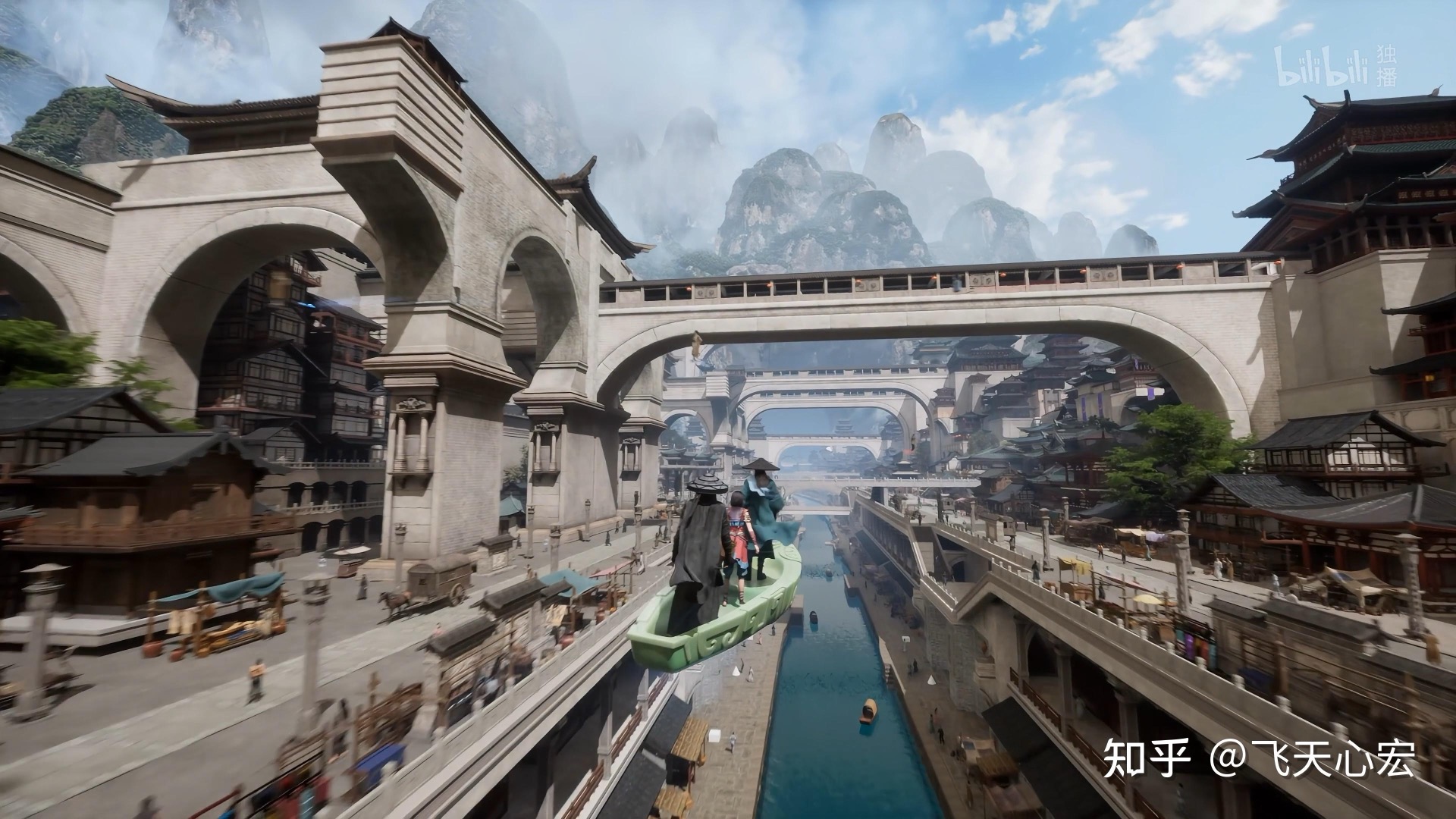
引言:交易会的本质是权力的货币化
天南交易会是凡人修仙传中一个极具叙事深度的场景设定。表面上看,它是修仙界高阶修士之间的资源互通平台——灵药换法器、丹方换矿石、秘术换情报。但深入分析便会发现,交易会的真正功能远不止于物质层面的等价交换。它是天南修仙界各方势力的政治舞台,是元婴老怪们展示实力、试探虚实、编织同盟的隐蔽战场。每一笔交易的背后,都暗藏着对未来修仙界格局的战略算计。
在忘语的笔下,天南交易会并非一个单纯的过渡情节,而是人界篇中期权力格局重组的关键节点。它直接催生了坠魔谷探险、昆吾山大战等一系列重大事件的前因,堪称天南修仙界"暴风雨前的宴会"。
交易会的规则与运作机制
举办周期与选址逻辑
天南交易会并非定期举办的固定集市,而是由天南几大正道宗门轮流主持、数十年乃至百年才召开一次的顶级盛会。举办时机往往与修仙界的资源周期、势力格局变动密切相关——当各方势力都积累了足够多的闲置资源,同时又面临新的修炼瓶颈时,交易会的召开便水到渠成。
选址通常设在中立区域或主办宗门的势力范围边缘。这一安排既体现了主办方的诚意,也为各方提供了安全感。交易会场地往往设有多层禁制,既防止外部干扰,也约束内部冲突。这些禁制由多家宗门联合布设,任何单一势力都无法独立操控,从而形成一种制度化的互信机制。
交易层级与准入门槛
交易会内部存在严格的分层体系。最外层是结丹期修士的公开交易区,物品以常见灵药、中品法器、基础功法为主,规模虽大但价值有限。中层是元婴初期修士的半封闭交易区,开始出现珍稀材料和高阶秘术。而最核心的交易圈——元婴中后期老怪的私密磋商——则完全不对外开放,甚至没有固定的交易规则,全凭双方的实力、信誉和需求来定价。
这种分层机制本身就是修仙界等级森严的缩影。修为即资格,实力即货币。一个结丹期修士即便手握天材地宝,若无元婴期修士引荐,也无法进入核心交易区。这种设计从制度层面确保了高阶资源的流通始终掌控在金字塔顶端的少数人手中。
交易媒介与信用体系
交易会中灵石虽是基础货币单位,但在高阶交易中几乎无人使用灵石——元婴老怪之间的交易通常采取以物易物的形式。一枚万年灵药换一件残缺的上古法器,一份秘境地图换一瓶突破瓶颈的珍稀丹药。这种交易模式使得"信息差"成为最大的利润来源:如果你知道某件看似普通的古物实际上是开启某处秘境的钥匙,那么你就能以极低的成本获取极高的回报。
信用体系则建立在声望和实力的双重基础上。元婴老怪们在数百年的修炼生涯中积累的人际关系网,就是他们在交易会上最大的资本。失信一次,意味着在整个天南修仙界的社交网络中被永久标记。对于寿命以千年计的元婴修士来说,这种代价是不可承受的。
参与者资格与势力分布
正道宗门的集体亮相
天南交易会是正道宗门难得的齐聚时刻。落云宗、御灵宗、掩月宗等大派均会派出元婴长老率队参加。各宗门在交易会上的表现——带来什么样的交易品、展示什么级别的底蕴、与哪些势力频繁接触——都是外界评估其实力消长的重要依据。
值得注意的是,正道宗门虽然对外保持团结形象,但在交易会内部的竞争同样激烈。一件珍稀材料花落谁家,可能直接影响某个宗门能否在未来百年内培养出新的元婴修士。这种内部竞争被包裹在礼貌和规矩之下,却丝毫不亚于正魔之间的明争暗斗。
魔道势力的隐秘参与
虽然正魔对立是天南修仙界的基本格局,但交易会却是一个默认的"灰色地带"。魔道修士不会以本来面目出席,但通过代理人、中间商、或者易容伪装的方式参与交易,已是公开的秘密。交易会的组织者对此心知肚明,却采取睁一只眼闭一只眼的态度——因为完全排斥魔道参与,只会导致黑市交易更加猖獗,反而不如在可控范围内允许灰色交易的存在。
这种制度性的暧昧恰恰反映了修仙界的政治现实:正魔之分是意识形态层面的对立,但在资源和利益面前,务实主义才是所有修士的共同语言。
散修群体的生存博弈
对于散修而言,交易会是为数不多的能够接触到高阶资源的渠道。散修没有宗门的庇护和信息网络,他们在交易会上往往处于信息劣势——不知道市场真实行情,不了解物品的隐藏价值,更缺乏讨价还价的筹码。但也正因如此,偶尔会出现散修"捡漏"的情况——他们从偏僻之地带来的某些不起眼的材料,可能恰好是某位老怪物苦寻百年的关键物品。
韩立早期参加交易会时的身份,本质上就是一个实力不俗的散修。他没有大宗门的背景支撑,只能凭借自身的眼力、知识储备和小心谨慎来在交易会中周旋。
韩立的参与经过与关键交易
低调入场的策略选择
韩立参与天南交易会时正处于结丹期巅峰至元婴初期的关键阶段。以他一贯的行事风格,他选择了尽可能低调的方式入场——不主动展示实力,不与大势力深度接触,只在确认安全的情况下进行必要的交易。这种策略看似保守,实际上是韩立长期生存哲学的体现:在信息不对称的环境中,暴露自身底牌的风险远大于错过交易机会的损失。
韩立在交易会上的首要目标是获取突破修炼瓶颈所需的关键材料。他需要特定的灵药来炼制丹药,需要某些罕见的材料来提升法器威力,更需要关于秘境和机缘的情报来规划未来的修炼路线。这些需求驱使他不得不在保持低调与主动出击之间寻找平衡点。
关键交易的战术价值
韩立在交易会中完成的几笔关键交易,表面上是资源获取,深层看却是他整个修炼战略布局的重要一环。他以看似常规的灵药和法器为交换筹码,获取了若干珍稀材料和一些关键情报。这些收获在当时或许不显眼,但在后续的坠魔谷探险和昆吾山大战中都发挥了不可忽视的作用。
更重要的是,韩立在交易过程中展现出的炼丹术和炼器术水平,引起了部分有心人的注意。一个没有宗门背景却拥有如此深厚炼丹功底的修士,本身就是一个值得投资的潜力对象。这也为南陇侯后来的主动接触埋下了伏笔。
信息获取与情报分析
对韩立而言,交易会最大的价值或许不在于获得了什么物品,而在于他从各种渠道收集到的情报。关于坠魔谷的传闻、关于某处上古遗迹的线索、关于各方势力近期动向的只言片语——这些碎片化的信息在韩立的脑中拼凑成了一幅天南修仙界的动态地图。凭借这幅地图,他才能在后续的一系列危机中做出相对正确的判断。
南陇侯的初次登场与暗中拉拢
元婴后期老怪的降维姿态
南陇侯在交易会上的出场是整个天南交易会情节中最耐人寻味的段落。作为天南修仙界公认的顶级强者之一,南陇侯的一举一动都牵动着各方势力的神经。然而他在交易会上展现出的并非高高在上的傲慢,而是一种刻意收敛的亲和力——这本身就是一个危险的信号。
元婴后期的老怪物主动释放善意,只有一种可能:他需要什么东西,而这个东西靠他一己之力无法获得。后来的剧情证实了这一推断——南陇侯真正的目标是坠魔谷中的宝物,而他需要足够多的帮手来分担探险中的风险。交易会正是他物色和筛选合作者的理想场所。
对韩立的定向拉拢
南陇侯选择韩立作为拉拢对象并非随机之举。他通过情报网络对韩立进行了深入的背景调查:没有强大宗门背景(不会受到宗门指令的掣肘),个人实力出众(能够在探险中发挥作用),炼丹术高超(团队中不可或缺的辅助能力),性格谨慎但不胆怯(不会在关键时刻掉链子)。这些条件综合起来,使韩立成为了南陇侯心目中近乎完美的合作人选。
南陇侯的拉拢方式也极为老练。他没有直接提出坠魔谷的计划,而是先通过交易会中的"偶遇"建立初步联系,再以利益交换的方式逐步加深关系,最后才在信任建立到一定程度时抛出真正的提议。这种循序渐进的策略既体现了南陇侯数百年修炼生涯积累的人际智慧,也暗示了坠魔谷计划的重要性——重要到他愿意花费如此多的精力来经营一个结丹期修士的关系。
南陇侯的双重面具
交易会上的南陇侯展现的是一个慷慨豪迈、重信守诺的正道前辈形象。但从后续剧情回溯来看,这一切都是精心设计的人设。南陇侯在坠魔谷中对韩立和王婵的背叛证明,他在交易会上的每一句话、每一个表情、每一次"无意间"的帮助,都是服务于他个人利益的精密计算。
这种对比使得天南交易会的情节在重读时获得了完全不同的阅读体验——原本看似温馨的前辈提携后辈的叙事,变成了一场令人不寒而栗的猎手与猎物的周旋。
各方势力的情报交换
交易会作为情报枢纽
天南交易会的另一个隐藏功能是情报中转站。对于各大宗门的情报系统而言,交易会提供了一个绝佳的信息采集窗口——通过观察各方的交易行为,可以推断出他们的修炼方向、资源缺口和战略意图。
例如,某个宗门突然大量收购火属性灵材,可能意味着他们正在培养一位火属性灵根的核心弟子冲击元婴期;某位老怪物高价求购特定的解毒灵药,可能暗示他在近期的历险中中了某种罕见的毒物。这些看似零散的交易信息,在情报分析者眼中都是极有价值的拼图碎片。
正魔之间的灰色情报通道
交易会还充当了正魔两道之间非正式的信息沟通渠道。在正式的外交层面,正道与魔道势不两立,没有任何官方对话机制。但在交易会的灰色空间中,双方可以通过中间人传递某些关键信息——比如对于某处新出现的秘境,各方是选择争夺还是合作开发;比如对于某个共同威胁的应对策略。
这种非正式沟通机制对于维持天南修仙界的基本秩序至关重要。正是因为有了这种灰色通道,正魔两道才能在避免全面战争的前提下维持一种脆弱的均势。
散修情报网络的形成
交易会也是散修群体中少有的能够形成横向联系的场合。平日里各自为战的散修,在交易会上有机会交流各地的见闻和情报,形成一种松散但覆盖面极广的信息网络。虽然这个网络的可靠性远不如宗门的正式情报系统,但其信息来源的多样性和覆盖范围的广泛性却是任何单一宗门都无法比拟的。
韩立在交易会上与其他散修的交流,为他提供了许多宗门内部情报渠道无法获取的第一手信息。这些来自修仙界"底层"的视角,往往能揭示出被高阶修士忽略的微妙变化。
交易会对后续剧情的伏笔作用
坠魔谷探险的起源
天南交易会最直接的剧情影响就是催生了坠魔谷探险。南陇侯在交易会上的布局——拉拢韩立、联络王婵、收集坠魔谷的最新情报——构成了整个坠魔谷篇章的序幕。可以说,没有天南交易会上的这一系列铺垫,坠魔谷探险就不可能以现有的方式展开。
更深层地看,交易会上各方势力的互动模式——合作中暗含算计、信任中潜藏背叛——也为坠魔谷中南陇侯的最终翻脸奠定了心理预期。读者在交易会章节中已经能感受到那种"人人皆有所图"的氛围,只是在坠魔谷中,这种氛围被推向了极致。
人际关系网络的重塑
交易会上建立的人际关系深刻影响了韩立后续的修仙道路。他在交易会上结识或加深关系的修士——无论是后来成为盟友的还是变成对手的——都在不同的关键节点上影响了剧情的走向。交易会就像一个社交网络的"节点事件",将原本彼此孤立的人物关系线索汇聚到一起,为后续的剧情爆发积蓄了能量。
天南修仙界格局的暗示
交易会上各方势力的表现,也暗示了天南修仙界即将到来的重大变局。某些宗门的颓势、某些老怪物的异常活跃、魔道势力的暗中渗透——这些在交易会上初露端倪的趋势,在后续的昆吾山大战和魔道入侵中都得到了充分的印证。
从叙事结构的角度看,天南交易会扮演了一个经典的"暴风雨前的平静"角色。所有的矛盾、所有的野心、所有的秘密,都在交易会这个看似和平的场景中完成了最后的蓄力,等待着一个触发点将它们全部引爆。
韩立修仙哲学的深化
天南交易会对韩立个人成长最重要的影响,在于进一步深化了他"不可轻信任何人"的修仙哲学。南陇侯在交易会上展现的亲切可信,与他后来在坠魔谷中的冷酷背叛形成了最强烈的反差。这次经历让韩立彻底明白了一个道理:在修仙界中,元婴老怪的善意比敌意更危险,因为善意往往意味着他需要你去做一件你可能不愿意做的事情。
这一认知成为韩立后续处理所有人际关系的底层逻辑——无论对方表现得多么真诚,他都会先思考"这个人需要我做什么"。这种近乎偏执的警觉性,恰恰是他在凶险的修仙界中一次次化险为夷的核心竞争力。
结语:交易会作为修仙界的微缩模型
天南交易会在凡人修仙传的叙事体系中,远不仅仅是一个"买卖东西"的功能性场景。它是整个天南修仙界运行逻辑的微缩模型——资源决定权力,信息创造优势,信任是最昂贵的奢侈品,而背叛是最廉价的工具。在这个看似文明有序的交易场所中,每一个参与者都在用自己的方式诠释着修仙界最残酷的生存法则:在通往长生的道路上,没有永恒的盟友,只有永恒的利益。
Introduction: The Trade Fair's True Nature Is Power Monetized
The Tiannan Trade Fair is one of A Record of a Mortal's Journey to Immortality's most narratively rich settings. On the surface, it is a platform for resource exchange among high-level cultivators -- spiritual medicines traded for magical instruments, pill formulas for ores, secret arts for intelligence. But deeper analysis reveals that the trade fair's true function extends far beyond material-level equal exchange. It is the political stage of the Tiannan (天南) cultivation world's various factions, the concealed battlefield where Nascent Soul (元婴期) patriarchs display their strength, probe one another, and weave alliances. Behind every transaction lurks strategic calculation about the future configuration of cultivation world power.
Cultural Context: The Tiannan Trade Fair functions as a narrative device similar to "gatherings of the powerful" in Chinese wuxia tradition -- events where martial arts masters meet ostensibly for commerce or celebration but where the real business is political maneuvering. The Chinese literary tradition of "drinking and composing poetry" (以文会友) finds its xianxia parallel here: cultivation world elites meeting under the guise of trade while really engaged in intelligence warfare and alliance building.
In the author Wang Yu's (忘语) narrative, the Tiannan Trade Fair is not a mere transitional episode but a key node in the mid-Mortal Realm Arc's power restructuring. It directly catalyzed the Devilfall Valley expedition, the Battle of Kunwu Mountain, and a chain of other major events -- making it the "banquet before the storm" of the Tiannan cultivation world.
Rules and Operating Mechanisms of the Trade Fair
Hosting Cycle and Site Selection Logic
The Tiannan Trade Fair was not a regularly scheduled market but a top-tier event co-hosted in rotation by several major righteous sects of Tiannan, convened only once every several decades or even centuries. The timing of each hosting was closely tied to the cultivation world's resource cycles and shifts in power dynamics -- when various factions had accumulated sufficient idle resources while simultaneously facing new cultivation bottlenecks, convening the trade fair became a natural development.
Sites were typically chosen in neutral territory or at the edge of the host sect's sphere of influence. This arrangement demonstrated the host's sincerity while providing all parties a sense of security. Trade fair venues were typically protected by multiple layers of restrictions, jointly deployed by several sects, preventing any single faction from exercising sole control -- thereby creating an institutionalized mutual trust mechanism.
Trading Tiers and Access Thresholds
The trade fair maintained a strict internal tiering system. The outermost layer was the open trading area for Core Formation (结丹期) cultivators, featuring common spiritual medicines, medium-grade magical instruments, and basic techniques -- large in scale but limited in value. The middle tier was the semi-enclosed trading area for early Nascent Soul cultivators, where rare materials and advanced secret arts began to appear. The innermost trading circle -- the private consultations among mid-to-late Nascent Soul patriarchs -- was entirely closed to outsiders, with no fixed trading rules; pricing depended entirely on both parties' strength, reputation, and needs.
This tiering mechanism was itself a microcosm of the cultivation world's strict hierarchy. Cultivation was qualification; strength was currency. Even if a Core Formation cultivator held a priceless treasure, without a Nascent Soul cultivator's introduction, they could not enter the core trading area. This design ensured at an institutional level that high-level resource circulation remained firmly in the hands of the few at the pyramid's apex.
Trading Media and Credit Systems
While spirit stones served as the basic currency unit at the trade fair, virtually no one used them in high-level transactions -- trades among Nascent Soul patriarchs typically took the form of direct barter. A ten-thousand-year spiritual medicine exchanged for a damaged ancient magical instrument; a secret realm map traded for a bottle of rare breakthrough pills. This trading model made "information asymmetry" the greatest source of profit: if you knew that a seemingly ordinary ancient artifact was actually the key to opening a particular secret realm, you could acquire something of enormous value at minimal cost.
The credit system was built on the dual foundation of reputation and strength. The interpersonal networks Nascent Soul patriarchs had built over centuries of cultivation were their greatest capital at the trade fair. A single breach of trust meant being permanently marked within the entire Tiannan cultivation world's social network. For Nascent Soul cultivators whose lifespans were measured in millennia, this cost was unbearable.
Participant Qualifications and Faction Distribution
The Collective Appearance of Righteous Sects
The Tiannan Trade Fair was one of the rare occasions when the righteous sects gathered together. Major sects like the Falling Cloud Sect (落云宗), the Spirit Beast Mountain (御灵宗), and the Moon Concealment Sect (掩月宗) all sent Nascent Soul elders to lead their delegations. Each sect's performance at the trade fair -- what goods they brought, what level of depth they displayed, which factions they frequently contacted -- served as key indicators for outsiders assessing their rising or falling fortunes.
Notably, though the righteous sects maintained a united front externally, internal competition at the trade fair was equally fierce. Where a particular rare material ended up could directly determine whether a certain sect could produce a new Nascent Soul cultivator within the next century. This intra-faction competition was wrapped in politeness and protocol yet was no less intense than the open struggle between righteous and demonic paths.
The Covert Participation of the Demonic Path
Though righteous-demonic opposition was the fundamental dynamic of the Tiannan cultivation world, the trade fair was a tacitly acknowledged "grey zone." Demonic cultivators would not attend in their true identities, but their participation through proxies, intermediaries, or magical disguises was an open secret. The fair's organizers were fully aware of this yet adopted a policy of strategic blindness -- completely excluding demonic participation would only drive black-market trading further underground, making it less controllable than allowing grey-zone transactions within manageable bounds.
This institutional ambiguity perfectly reflected the cultivation world's political reality: the righteous-demonic divide was ideological opposition, but when faced with resources and interests, pragmatism was the common language of all cultivators.
The Survival Game of Independent Cultivators
For independent cultivators (散修), the trade fair was one of the few channels through which they could access high-level resources. Without sect protection or information networks, independent cultivators at the trade fair typically operated at an information disadvantage -- unaware of true market prices, ignorant of items' hidden values, and lacking bargaining leverage. Yet precisely because of this, occasional instances of independents "finding hidden gems" occurred -- some unremarkable material from a remote region might happen to be the exact item a certain patriarch had been seeking for a century.
Han Li's (韩立) status when he first attended the trade fair was essentially that of an unusually capable independent cultivator. Without the backing of a major sect, he could only rely on his own discerning eye, knowledge base, and careful caution to navigate the trade fair.
Han Li's Participation and Key Transactions
The Strategic Choice of a Low-Profile Entrance
When Han Li participated in the Tiannan Trade Fair, he was at the critical juncture between peak Core Formation and early Nascent Soul. True to his characteristic approach, he chose to enter as low-profile as possible -- not proactively displaying strength, not deeply engaging major factions, only conducting necessary transactions under confirmed safe conditions. This seemingly conservative strategy was actually the embodiment of Han Li's long-standing survival philosophy: in an environment of information asymmetry, the risk of exposing one's hand far outweighs the loss of missing a trading opportunity.
Han Li's primary objective at the trade fair was obtaining key materials needed to break through his cultivation bottleneck. He needed specific spiritual herbs for pill refinement, certain rare materials to enhance his magical instruments' power, and -- most importantly -- intelligence about secret realms and opportunities to plan his future cultivation trajectory. These needs drove him to find a balance between maintaining his low profile and proactive acquisition.
The Tactical Value of Key Transactions
Several key transactions Han Li completed at the trade fair appeared to be simple resource acquisitions on the surface but were in fact important components of his entire cultivation strategic plan. Using seemingly routine spiritual medicines and magical instruments as exchange chips, he obtained several rare materials and crucial pieces of intelligence. These gains may not have seemed impressive at the time, but they played non-negligible roles in the subsequent Devilfall Valley expedition and the Battle of Kunwu Mountain.
More importantly, the pill-refining and artifact-crafting expertise Han Li displayed during the trading process caught the attention of certain observant parties. A cultivator without sect backing who possessed such deep pill-refining foundations was inherently a worthwhile investment prospect. This also laid the groundwork for Marquis Nanlong's (南陇侯) later proactive approach.
Information Gathering and Intelligence Analysis
For Han Li, the trade fair's greatest value may not have been in any physical item obtained, but in the intelligence he gathered through various channels. Rumors about the Devilfall Valley, leads about certain ancient ruins, scattered fragments about various factions' recent movements -- these bits of information assembled in Han Li's mind into a dynamic map of the Tiannan cultivation world. Only with this map could he make relatively sound judgments in the series of crises that followed.
Marquis Nanlong's First Appearance and Covert Recruitment
A Late Nascent Soul Patriarch's Calculated Condescension
Marquis Nanlong's (南陇侯) appearance at the trade fair was the most intriguing passage of the entire Tiannan Trade Fair arc. As one of the Tiannan cultivation world's acknowledged top-tier powerhouses, Nanlong's every move commanded the attention of all factions. Yet what he displayed at the trade fair was not the arrogance of a superior but a deliberately restrained affability -- which was itself a dangerous signal.
A late Nascent Soul patriarch voluntarily projecting goodwill could only mean one thing: he needed something, and that something was beyond his ability to obtain alone. Later plot developments confirmed this inference -- Nanlong's true objective was the treasures within the Devilfall Valley, and he needed enough companions to share the risks of exploration. The trade fair was his ideal venue for identifying and screening potential collaborators.
The Targeted Recruitment of Han Li
Marquis Nanlong's selection of Han Li as a recruitment target was no random choice. Through his intelligence network, he had conducted thorough background research on Han Li: no powerful sect backing (meaning no sect directives constraining his actions), outstanding individual capability (useful in exploration), superb pill-refining skills (an indispensable support ability for the team), and a cautious but not cowardly personality (unlikely to fall apart at critical moments). These factors combined made Han Li, in Nanlong's assessment, a near-perfect candidate for cooperation.
Nanlong's recruitment approach was masterfully practiced. Rather than directly proposing the Devilfall Valley plan, he first established initial contact through "chance encounters" at the trade fair, then gradually deepened the relationship through exchanges of interest, and only once trust had been built to a certain degree did he present his true proposal. This graduated strategy demonstrated both Nanlong's centuries of accumulated interpersonal wisdom and hinted at the Devilfall Valley plan's importance -- important enough that he was willing to invest such extensive effort in cultivating a relationship with a Core Formation cultivator.
Nanlong's Dual Mask
The Nanlong presented at the trade fair was a generous, magnanimous, trustworthy righteous senior. But retrospectively through later plot developments, all of this was carefully designed persona management. Nanlong's betrayal of Han Li and Wang Chan in the Devilfall Valley proved that every word he spoke at the trade fair, every expression, every seemingly "incidental" act of assistance was precise calculation in service of his personal interests.
This contrast gives the Tiannan Trade Fair arc a completely different reading experience upon rereading -- what initially appeared to be a heartwarming narrative of a senior nurturing a junior transforms into a chilling drama of a hunter stalking his prey.
Intelligence Exchange Among Various Factions
The Trade Fair as Intelligence Hub
Another hidden function of the Tiannan Trade Fair was its role as an intelligence relay station. For the intelligence services of major sects, the trade fair provided an excellent information-collection window -- by observing each party's trading behavior, one could infer their cultivation directions, resource gaps, and strategic intentions.
For example, if a certain sect suddenly began purchasing large quantities of fire-attribute spiritual materials, it might mean they were cultivating a fire-root core disciple toward Nascent Soul breakthrough; if a certain patriarch was offering premium prices for specific antidote medicines, it might hint that they had encountered a rare poison during a recent expedition. These seemingly scattered trading details were, in the eyes of intelligence analysts, extremely valuable puzzle pieces.
Grey Intelligence Channels Between Righteous and Demonic Paths
The trade fair also served as an unofficial information channel between the righteous and demonic paths. On the formal diplomatic level, the two sides were irreconcilably opposed with no official dialogue mechanism. But within the trade fair's grey space, both sides could pass certain critical information through intermediaries -- for instance, whether to compete or cooperate in developing a newly appeared secret realm, or response strategies for a common threat.
This informal communication mechanism was crucial for maintaining basic order in the Tiannan cultivation world. It was precisely because of this grey channel that the righteous and demonic paths could maintain a fragile equilibrium while avoiding total war.
The Formation of Independent Cultivator Networks
The trade fair was also one of the few occasions where independent cultivators could form horizontal connections. Independents who normally fought alone had the opportunity at the trade fair to exchange local observations and intelligence, forming a loose but broadly-covering information network. Though this network's reliability fell far short of formal sect intelligence systems, its diversity of sources and breadth of coverage were unmatched by any single sect.
Han Li's exchanges with other independents at the trade fair provided him with much first-hand information that sect internal intelligence channels could not obtain. These perspectives from the cultivation world's "grassroots" often revealed subtle changes that high-level cultivators overlooked.
The Trade Fair's Foreshadowing Role in Subsequent Plot
Origin of the Devilfall Valley Expedition
The Tiannan Trade Fair's most direct plot impact was catalyzing the Devilfall Valley expedition. Marquis Nanlong's maneuvering at the trade fair -- recruiting Han Li, contacting Wang Chan, gathering the latest Devilfall Valley intelligence -- constituted the prologue to the entire Devilfall Valley arc. Without the groundwork laid at the Tiannan Trade Fair, the Devilfall Valley expedition could not have unfolded as it did.
On a deeper level, the interaction patterns among factions at the trade fair -- cooperation concealing calculation, trust harboring betrayal -- also set the psychological expectation for Nanlong's eventual betrayal in the Devilfall Valley. Readers could already sense the atmosphere of "everyone has their own agenda" during the trade fair chapters; it was simply pushed to its extreme in the Devilfall Valley.
Reshaping the Interpersonal Network
The relationships established or deepened at the trade fair profoundly influenced Han Li's subsequent cultivation path. The cultivators with whom he connected or strengthened ties at the trade fair -- whether they later became allies or adversaries -- all influenced the plot's direction at different critical junctures. The trade fair functioned as a "nodal event" in the social network, converging previously isolated character relationship threads and building energy for subsequent plot explosions.
Hints About Tiannan's Power Structure
The performances of various factions at the trade fair also foreshadowed the Tiannan cultivation world's impending upheaval. The decline of certain sects, the unusual activity of certain patriarchs, the demonic path's covert infiltration -- these trends that first surfaced at the trade fair were all fully confirmed in the subsequent Battle of Kunwu Mountain and demonic path invasion.
From a narrative structure perspective, the Tiannan Trade Fair played the classic role of "the calm before the storm." All the contradictions, all the ambitions, all the secrets completed their final buildup in this seemingly peaceful setting, waiting for a trigger to detonate them all.
The Deepening of Han Li's Cultivation Philosophy
The Tiannan Trade Fair's most important impact on Han Li's personal growth was the further deepening of his philosophy of "trust no one readily." The warmth and reliability Nanlong displayed at the trade fair, contrasted with his cold-blooded betrayal in the Devilfall Valley, formed the sharpest possible contrast. This experience made Han Li thoroughly understand a truth: in the cultivation world, a Nascent Soul patriarch's kindness is more dangerous than hostility, because kindness usually means they need you to do something you might not be willing to do.
This insight became the foundational logic governing all of Han Li's subsequent interpersonal relationships -- no matter how sincere someone appeared, he would first consider "what does this person need from me?" This near-paranoid vigilance was precisely the core competitive advantage that allowed him to escape danger time and again in the perilous cultivation world.
Conclusion: The Trade Fair as a Microcosm of the Cultivation World
The Tiannan Trade Fair, within the narrative system of A Record of a Mortal's Journey to Immortality, is far more than a functional "buying and selling" scene. It is a microcosm of the entire Tiannan cultivation world's operating logic -- resources determine power, information creates advantage, trust is the most expensive luxury, and betrayal the cheapest tool. Within this seemingly civilized and orderly trading venue, every participant interprets in their own way the cultivation world's most brutal survival law: on the path to longevity, there are no eternal allies, only eternal interests.