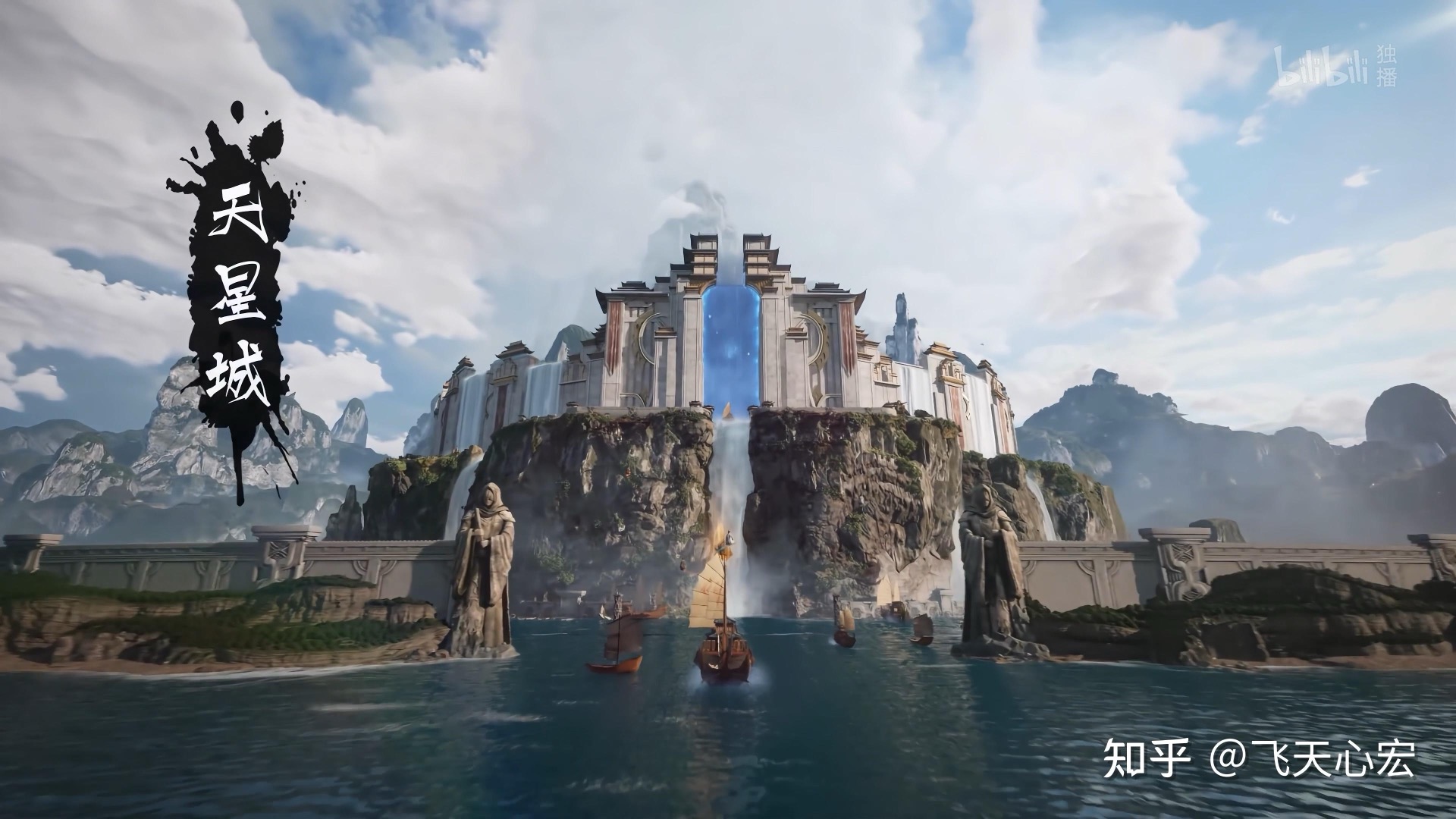
外海地理与妖兽分布
乱星海分为内海与外海两大区域,以极阳岛、天星城等核心岛屿为界,向外延伸的广袤海域统称为外海。与内海修仙者聚居、岛屿星罗棋布的格局不同,外海是一片真正意义上的蛮荒之地。海域辽阔无边,岛屿稀疏且多为无人荒岛,灵气浓度反而高于内海,但危险程度也成倍增长。
外海妖兽的分布呈现出明显的层级特征。近海区域以二三级妖兽为主,多为巨蟹、海蛇、水母类低阶妖物,对结丹期修士威胁有限。然而随着深入外海,妖兽的等级急剧攀升。中层海域活跃着大量四五级妖兽,相当于结丹后期至元婴初期的修仙者战力,其中不乏拥有天赋神通的异种妖兽。深海区域则是六级以上妖兽的领地,等同于元婴中后期乃至化神期的恐怖存在,即便是元婴老怪也不敢轻易涉足。
值得注意的是,外海妖兽并非毫无秩序地分布。许多高阶妖兽拥有固定的领地范围,以海底山脉、深海沟壑或灵脉汇聚之处为巢穴。低阶妖兽则围绕高阶妖兽的领地外围活动,形成一种类似于修仙界宗门势力范围的妖兽生态圈。这种分布规律为经验丰富的猎妖修士提供了可预判的行动依据——既可以根据低阶妖兽的种类推断附近是否存在高阶妖兽,也可以通过规避特定海域来降低遭遇致命威胁的概率。
外海海域的气候同样变幻莫测。雷暴、飓风、迷雾等恶劣天象频繁出现,部分区域甚至存在天然的空间裂缝和灵气紊乱带,对修士的飞行遁术构成极大干扰。这些自然屏障在客观上将外海分割为若干相对独立的区域,也使得外海的全面探索至今仍是一项未竟的事业。
韩立的猎妖经历
韩立进入外海猎妖,是其修仙生涯中一段极为关键的历练。彼时韩立已晋入元婴期,但面对即将到来的更大挑战,无论是修为的精进还是资源的积累,都亟需通过实战来完成。外海丰富的高阶妖兽资源,恰好为他提供了绝佳的磨砺场所。
韩立的猎妖策略体现了他一贯的谨慎与精明。他并非盲目深入妖兽密集区域,而是先在外海边缘地带试探,逐步摸清妖兽的活动规律与实力分布。面对四五级妖兽,韩立凭借丰富的斗法经验和多样的攻击手段,往往能够以较小代价将其击杀或驱逐。他善于利用傀儡术、阵法和各类法宝进行组合攻击,在节省法力消耗的同时最大化战斗效率。
猎妖过程中最具价值的收获莫过于妖兽的内丹与特殊材料。高阶妖兽的内丹不仅是炼丹的珍贵主材,更可直接吸收其中的妖力辅助修炼。部分异种妖兽的皮骨、血液、鳞甲等,则是炼制高阶法宝和防具的上乘材料,在内海修仙者的交易市场上往往能卖出天价。韩立通过系统性的猎妖活动,积累了大量修炼资源,这些资源在他日后突破更高境界时发挥了不可忽视的作用。
然而外海猎妖绝非一帆风顺。韩立也曾多次遭遇险境——误入高阶妖兽的领地、被多只妖兽围攻、以及在恶劣天象中与妖兽缠斗等。正是这些九死一生的经历,极大地锤炼了他的战斗意识和临机应变能力,使他在后来面对更为强大的敌人时能够保持冷静与果决。
风雷翅获取:雷鹏之战
在韩立的外海历险中,获取风雷翅无疑是最惊心动魄、也最具战略意义的一役。风雷翅乃是上古异种妖兽雷鹏的双翅所炼制而成的飞行法宝,蕴含风雷之力,一旦炼化成功,可令修士的飞遁速度暴增数倍,甚至能在短时间内爆发出超越元婴后期修士的极限速度。
雷鹏乃是外海深处罕见的上古异种,天生掌控风雷之力,实力约在六级妖兽之列。其体型庞大,双翅展开可遮天蔽日,振翅间风雷齐发,攻防一体。即便以韩立当时的修为,正面对抗雷鹏也颇为吃力。
这场大战的过程可谓跌宕起伏。韩立先以万剑诀的剑阵消耗雷鹏的妖力护罩,再以铜甲尸等傀儡缠斗牵制,自身则寻找时机释放致命一击。雷鹏的风雷之力极为狂暴,数次将韩立逼入险境,周围数十里海域被风雷之力搅得天翻地覆。最终韩立凭借噬金虫群的特殊克制能力,在雷鹏防御出现破绽的瞬间一举将其重创,经过数个时辰的苦战方才将其斩杀。
风雷翅的炼化同样是一个漫长而艰辛的过程。雷鹏双翅中残留的风雷之力极为暴烈,需要修士以精纯的法力反复祭炼,逐步驯服其中的狂暴能量。韩立耗费了相当长的时间才将风雷翅初步炼化,使其成为自己的本命飞行法宝。此后风雷翅在韩立的诸多战斗和逃遁中发挥了至关重要的作用,其超凡的飞遁速度多次帮助韩立在绝境中脱身,堪称韩立最核心的保命手段之一。
内海外海格局差异
乱星海的内海与外海虽同属一片海域,却在势力格局、资源分布和生存法则上呈现出截然不同的面貌。理解这种差异,对于把握乱星海整体的修仙生态至关重要。
内海是乱星海修仙文明的核心区域。以天星城和星宫为首的两大势力长期对峙,形成了相对稳定的权力格局。星宫控制着大量富含灵脉的岛屿,以女修为主体的门派体系组织严密;天星城则以商业和佣兵体系为支柱,吸引各方散修汇聚。在这两大势力之下,还有数十个中小型岛屿势力各据一方,彼此之间既有合作也有摩擦。内海的秩序虽不如天南修仙界那般严整,但至少存在基本的规则框架,修士之间的冲突多在可控范围内解决。
外海则完全是另一番景象。这里没有占据主导地位的修仙势力,也不存在维护秩序的权威机构。外海的"规则"只有一条——实力为尊。高阶妖兽是外海的真正主人,修士在此不过是闯入者和掠夺者。少数在外海建立据点的修士团体,多为猎妖队或探宝团,组织松散,聚散无常。他们与妖兽之间的关系也并非单纯的对立:某些修士团体会与个别拥有灵智的高阶妖兽达成默契,互不侵犯甚至进行交易。
资源分布上,内海的灵脉和矿藏已被各大势力瓜分殆尽,普通修士难以染指核心资源。外海虽然危险重重,却拥有大量未被开发的灵脉、矿脉和天材地宝。高阶妖兽的内丹、骨血更是内海无法获取的稀缺资源。这种资源差异驱动着一批又一批修士冒险进入外海,形成了从内海到外海的单向资源流动链条——修士以性命为赌注,从外海掠夺资源回到内海交易变现,再用所得资源提升修为后重返外海。
从战略层面看,内海与外海之间还存在一个微妙的缓冲地带。这一区域既有零星的修士定居点,也有低阶妖兽的活动范围,是猎妖新手的练手之地,也是内海势力向外海投射影响力的前沿。天星城和星宫偶尔会在这一地带组织联合猎妖行动,既是为了获取资源,也是为了遏制外海妖兽向内海扩张的趋势。
海底遗迹与隐秘宝藏
外海深处隐藏着大量上古时期遗留下来的海底遗迹,这些遗迹的存在为外海探险增添了巨大的诱惑力。据修仙界的记载和传说,远古时期乱星海区域曾存在过数个强大的修仙门派和妖兽族群,在历次大劫中沉没于海底,留下了无数宝藏与秘密。
最引人注目的当属散落在外海各处的上古传送阵遗迹。这些传送阵规模宏大,连接着乱星海与其他未知区域,部分阵法至今仍保留着残余的空间之力。然而由于年代久远且缺乏维护,这些传送阵大多已经失效甚至发生了畸变,贸然激活可能将修士传送至空间夹缝等致命之地。
海底洞府是另一类常见的遗迹形态。上古时期的高阶修士或妖兽首领往往选择在海底灵脉汇聚处开辟洞府修炼,并布下重重禁制以守护洞府中的宝物。这些洞府在主人陨落后成为了无主秘境,其中可能藏有失传的功法秘籍、珍稀灵药、上古法宝等无价之物。但与此同时,洞府中的禁制经过万年岁月的侵蚀变得极不稳定,触发后可能引发灵气爆炸甚至空间崩塌。此外,许多海底洞府已被高阶妖兽占据为巢穴,闯入者将直面妖兽的怒火。
韩立在外海期间也曾探索过若干海底遗迹,收获与风险并存。他凭借敏锐的感知和丰富的阵法知识,成功规避了多处致命禁制,获取了一些珍贵材料和古籍残卷。但也有数次险些陷入不可逆的困境。这些经历让韩立深刻认识到——海底遗迹的宝藏虽然诱人,但对修士的综合素质要求极高,不仅需要足够的实力,更需要渊博的知识储备和冷静的判断力。
值得一提的是,部分海底遗迹中还保存着关于乱星海上古历史的珍贵记录。这些记录零星地揭示了远古大战的片段、上古修仙体系的特征、以及某些已经失传的功法原理。对于致力于探索大道的修士而言,这些知识本身的价值或许远超任何具体的宝物。
外海探险的风险与收益分析
外海探险是乱星海修士生涯中风险最高、但回报也最为丰厚的活动之一。对其进行系统性的风险收益分析,有助于修士做出更为理性的决策。
主要风险因素:
第一,高阶妖兽的威胁是外海最直接也最致命的风险来源。四五级妖兽对元婴初期修士已构成实质性威胁,六级以上妖兽更是近乎不可战胜的存在。妖兽的攻击往往毫无预兆,且许多妖兽拥有独特的天赋神通,令修士防不胜防。
第二,外海的自然环境本身就是一道难关。风暴、暗流、空间裂缝等自然灾害随时可能降临,在修士与妖兽交战或法力消耗较大时尤其致命。部分海域还存在干扰神识的特殊磁场,导致修士无法有效探查周围环境。
第三,人为威胁不可忽视。外海远离内海势力的管辖,修士之间的劫杀行为时有发生。尤其是满载猎妖战利品返回内海途中的修士,极易成为其他修士的目标。所谓"杀人夺宝"在外海并非罕见之事。
第四,补给困难是长期滞留外海的重大挑战。外海缺乏稳定的灵石和丹药补给渠道,修士必须携带充足的物资或具备自给自足的能力。一旦法力恢复速度跟不上消耗速度,修士将陷入极为被动的境地。
核心收益来源:
其一,高阶妖兽材料是外海最稳定的收益来源。五级以上妖兽的内丹在内海市场上价值连城,一颗六级妖兽内丹足以让一名结丹期修士衣食无忧数十年。妖兽的骨骼、鳞甲、血液等附属材料同样价格不菲。
其二,海底遗迹中的宝藏具有极高的爆发性收益。一次成功的遗迹探索可能获得传承功法、上古法宝或失传丹方等改变命运的机缘。当然,这类收益的不确定性极大,空手而归甚至付出生命代价的概率远高于满载而归。
其三,外海的实战历练本身就是一种无形的收益。在高强度的战斗环境中,修士的战斗技巧、危机应对能力和心境修为都能得到快速提升。韩立正是通过外海的磨砺,将自身的综合战力提升到了远超同阶修士的水平。
综合评估:
总体而言,外海探险最适合两类修士——一类是修为已至瓶颈、需要通过实战和机缘寻求突破的高阶修士;另一类是实力足够自保、急需积累资源的中阶修士。对于修为不足或经验欠缺的修士而言,外海无异于一座巨大的坟场。韩立的成功经验表明,充分的准备、谨慎的策略、以及关键时刻的果断决策,是在外海生存并获取丰厚回报的核心要素。外海既是吞噬无数修士的深渊,也是铸就顶级强者的熔炉——这正是乱星海修仙生态最真实的写照。
Outer Sea Geography and Demon Beast Distribution
The Scattered Star Seas (乱星海) is divided into two major regions — the inner sea and the outer sea. Beyond core islands like the Polar Yang Island and Starfall City, the vast expanse of ocean extending outward is collectively known as the outer sea. Unlike the inner sea, which is populated by cultivators and dotted with countless islands, the outer sea is a true wilderness. The seas stretch endlessly, islands are sparse and mostly uninhabited, and spiritual qi concentration is actually higher than in the inner sea, though the danger level increases proportionally.
The distribution of outer sea demon beasts displays clear hierarchical characteristics. Near-shore areas are dominated by grade two and three demon beasts — mostly giant crabs, sea serpents, and jellyfish-type low-level creatures that pose limited threat to Core Formation cultivators. However, as one ventures deeper into the outer sea, beast grades escalate dramatically. Mid-level waters teem with grade four and five demon beasts, equivalent to late Core Formation through early Nascent Soul combat power, including no shortage of variant species possessing innate divine abilities. The deep sea regions are the domain of grade six and above demon beasts — terrifying entities equivalent to mid-to-late Nascent Soul or even Deity Transformation cultivators — and even Nascent Soul old monsters dare not tread there lightly.
Notably, outer sea demon beasts are not distributed without order. Many high-grade demon beasts maintain fixed territories centered around undersea mountain ranges, deep trenches, or spirit vein convergence points. Lower-grade beasts orbit the periphery of high-grade territories, forming an ecosystem reminiscent of cultivation sect spheres of influence. This distribution pattern provides experienced monster-hunting cultivators with predictable operational intelligence — one can infer the presence of high-grade beasts from the types of low-grade beasts encountered, and reduce the probability of fatal encounters by avoiding specific waters.
The outer sea's climate is equally unpredictable. Thunderstorms, hurricanes, and fog banks appear frequently, and some areas even contain natural spatial rifts and chaotic spiritual energy zones that severely interfere with cultivators' flight techniques. These natural barriers objectively divide the outer sea into relatively independent zones and ensure that comprehensive exploration of the outer sea remains an unfinished endeavor.
Han Li's Monster-Hunting Experience
Han Li's venture into the outer sea for monster hunting was an extremely critical phase of tempering in his cultivation career. By then, Han Li had already advanced to the Nascent Soul stage, but facing upcoming challenges, both cultivation advancement and resource accumulation urgently required completion through actual combat. The outer sea's rich supply of high-grade demon beast resources provided him with an ideal training ground.
Han Li's hunting strategy reflected his characteristic caution and shrewdness. Rather than blindly charging into beast-dense areas, he first tested the waters at the outer sea's edges, gradually mapping out beast activity patterns and strength distribution. Against grade four and five beasts, Han Li leveraged his rich combat experience and diverse attack methods to dispatch or drive them off with minimal cost. He excelled at using puppet techniques, formation arrays, and various magical treasures in combination attacks, maximizing combat efficiency while conserving spiritual power expenditure.
The most valuable gains from monster hunting were beast inner cores and special materials. High-grade demon beast inner cores were not only precious primary ingredients for alchemy but could also be directly absorbed to supplement cultivation through demonic power. Parts from variant demon beasts — hide, bone, blood, scales — served as superior materials for crafting high-grade magical treasures and defensive equipment, often fetching astronomical prices in the inner sea's cultivation markets. Through systematic hunting activities, Han Li accumulated substantial cultivation resources that would play a significant role when he later broke through to higher realms.
Yet outer sea monster hunting was far from smooth sailing. Han Li faced danger multiple times — accidentally entering high-grade beast territories, being ambushed by multiple beasts simultaneously, and battling creatures amid severe weather conditions. These near-death experiences enormously tempered his combat instincts and adaptive abilities, enabling him to maintain composure and decisiveness when facing even more powerful enemies in the future.
Acquiring the Thunderstorm Wings: Battle with the Thunder Roc
Among Han Li's outer sea adventures, obtaining the Thunderstorm Wings (风雷翅) was undoubtedly the most heart-stopping and strategically significant battle. The Thunderstorm Wings were a flight treasure refined from the wings of the ancient variant demon beast known as the Thunder Roc (雷鹏), containing the power of wind and lightning. Once successfully refined, they could multiply a cultivator's flight speed several fold, even allowing short bursts exceeding the maximum speed of late Nascent Soul cultivators.
The Thunder Roc was a rare ancient variant from the deep outer sea, born with mastery over wind and lightning, roughly equivalent to a grade six demon beast in strength. Its massive body, with wings that could blot out the sky, unleashed simultaneous wind and lightning attacks with each beat, combining offense and defense. Even with Han Li's cultivation at the time, a direct confrontation with the Thunder Roc was challenging.
The battle was a dramatic affair. Han Li first used his Myriad Sword Formation to drain the Thunder Roc's demonic energy shield, then deployed Copper-Armored Corpses and other puppets to tie it down while he sought openings for lethal strikes. The Thunder Roc's wind-lightning powers were violently explosive, pushing Han Li into dire straits multiple times and churning the surrounding waters for dozens of miles into chaos. Ultimately, Han Li leveraged the Gold Devouring Beetles' special suppressive ability to exploit a gap in the Thunder Roc's defenses, critically wounding it in an instant and finally slaying it after hours of grueling combat.
Refining the Thunderstorm Wings was equally long and arduous. The residual wind-lightning power in the Thunder Roc's wings was extremely volatile, requiring the cultivator to repeatedly temper them with refined spiritual power, gradually taming the wild energy. Han Li spent a considerable time before completing the initial refinement, making the Thunderstorm Wings his primary flight treasure. Thereafter, the Thunderstorm Wings played a vitally important role in Han Li's many battles and escapes — their extraordinary flight speed helped him escape desperate situations on multiple occasions, making them arguably his most critical life-saving asset.
Inner Sea vs. Outer Sea: Structural Differences
Though the inner and outer seas of the Scattered Star Seas belong to the same waters, they present entirely different faces in terms of power dynamics, resource distribution, and survival rules. Understanding these differences is essential for grasping the overall cultivation ecology of the Scattered Star Seas.
The inner sea is the core area of Scattered Star Seas cultivation civilization. The long-standing confrontation between the two dominant powers — the Star Palace and Starfall City — created a relatively stable power structure. The Star Palace controlled numerous spirit-vein-rich islands, operating as a primarily female-cultivator sect with a tightly organized hierarchy. Starfall City was built on a foundation of commerce and mercenary systems, attracting independent cultivators from all directions. Beneath these two great powers, dozens of mid-to-small island factions each held their territory, maintaining relationships of both cooperation and friction. While the inner sea's order was less strict than the Heavenly South cultivation world's, at least a basic framework of rules existed, with conflicts between cultivators typically resolved within controllable bounds.
The outer sea was an entirely different world. There were no dominant cultivation forces and no authoritative bodies maintaining order. The only "rule" of the outer sea was: might makes right. High-grade demon beasts were the true masters of the outer sea, with cultivators merely intruders and plunderers. The few cultivator groups that had established outposts in the outer sea were mostly monster-hunting teams or treasure-seeking parties — loosely organized and constantly shifting. Their relationship with demon beasts was not purely adversarial either: some cultivator groups had reached tacit understandings with certain intelligent high-grade beasts, maintaining non-aggression pacts and even engaging in trade.
In terms of resource distribution, the inner sea's spirit veins and mineral deposits had long been divided among the major powers, making it nearly impossible for ordinary cultivators to access core resources. The outer sea, while incredibly dangerous, possessed vast quantities of undeveloped spirit veins, mineral deposits, and natural treasures. High-grade beast inner cores, blood, and bone were scarce resources unobtainable in the inner sea. This resource disparity drove wave after wave of cultivators to risk their lives in the outer sea, forming a one-way resource pipeline — cultivators gambled their lives to plunder outer sea resources, returned to the inner sea for trading, then used their gains to improve cultivation before returning to the outer sea.
From a strategic perspective, a subtle buffer zone existed between the inner and outer seas. This area contained scattered cultivator settlements alongside low-grade beast activity ranges, serving as a training ground for novice monster hunters and as the front line for inner sea powers to project influence outward. Starfall City and the Star Palace occasionally organized joint hunting expeditions in this zone, both to acquire resources and to check the expansion of outer sea beasts toward the inner sea.
Undersea Ruins and Hidden Treasures
The deep outer sea conceals numerous undersea ruins from ancient times, and these ruins' existence adds tremendous allure to outer sea exploration. According to cultivation world records and legends, during the primordial era, the Scattered Star Seas region hosted several powerful cultivation sects and demon beast clans that sank beneath the ocean during successive great calamities, leaving behind countless treasures and secrets.
Most notable among these were the scattered ancient teleportation array ruins throughout the outer sea. These massive arrays once connected the Scattered Star Seas to other unknown regions, with some still retaining residual spatial energy. However, due to their extreme age and lack of maintenance, most arrays had either failed or mutated, and recklessly activating them could teleport a cultivator into spatial interstices or other fatal locations.
Undersea cave dwellings represented another common type of ruin. Ancient high-level cultivators or demon beast leaders often chose to establish dwellings at undersea spirit vein convergence points for cultivation, protecting them with layers of restrictions. When these dwellings' masters perished, they became ownerless secret realms potentially containing lost cultivation manuals, rare spiritual herbs, ancient magical treasures, and other priceless items. But simultaneously, restrictions within these dwellings had become extremely unstable after tens of thousands of years of erosion, potentially triggering spiritual energy explosions or even spatial collapse. Moreover, many undersea dwellings had been occupied by high-grade demon beasts as lairs, and intruders would face their wrath directly.
During his time in the outer sea, Han Li explored several undersea ruins with mixed results. Using his keen perception and extensive formation knowledge, he successfully avoided multiple lethal restrictions and obtained some precious materials and ancient manuscript fragments. But he also nearly fell into irreversible predicaments on several occasions. These experiences gave Han Li a profound realization — while the treasures in undersea ruins are tempting, they demand extremely high comprehensive capabilities from cultivators, requiring not just sufficient strength but also deep knowledge reserves and calm judgment.
It is worth mentioning that some undersea ruins also preserved precious records of the Scattered Star Seas' ancient history. These records sporadically revealed fragments of the ancient wars, characteristics of ancient cultivation systems, and principles of certain lost techniques. For cultivators devoted to exploring the Great Dao, the knowledge itself may have been worth far more than any physical treasure.
Risk-Reward Analysis of Outer Sea Exploration
Outer sea exploration is one of the highest-risk yet most lucrative activities in a Scattered Star Seas cultivator's career. A systematic risk-reward analysis helps cultivators make more rational decisions.
Primary Risk Factors:
First, high-grade demon beasts are the most direct and lethal risk source. Grade four and five beasts pose substantive threats to early Nascent Soul cultivators, while grade six and above are nearly invincible. Beast attacks often come without warning, and many possess unique innate abilities that catch cultivators off guard.
Second, the outer sea's natural environment itself presents formidable obstacles. Storms, undercurrents, and spatial rifts can strike at any moment, proving especially lethal when cultivators are fighting beasts or running low on spiritual power. Some waters also feature special magnetic fields that interfere with spiritual sense, preventing cultivators from effectively scanning their surroundings.
Third, human threats cannot be ignored. Far from the inner sea's governance, ambush and robbery between cultivators occur regularly. Cultivators returning from the outer sea laden with hunting spoils are particularly vulnerable targets. So-called "kill and plunder" is no rare occurrence in the outer sea.
Fourth, supply difficulties pose a major challenge for extended outer sea stays. The outer sea lacks stable spirit stone and pill supply channels, requiring cultivators to carry sufficient supplies or be self-sufficient. Once spiritual power recovery falls behind consumption, a cultivator falls into an extremely passive position.
Core Revenue Sources:
First, high-grade beast materials represent the most stable revenue. Inner cores of grade five and above beasts command astronomical prices in the inner sea market — a single grade six beast inner core could support a Core Formation cultivator comfortably for decades. Subsidiary materials like bones, scales, and blood also fetch substantial prices.
Second, undersea ruin treasures offer explosive potential returns. A successful ruin exploration might yield inheritance techniques, ancient treasures, or lost pill formulas — fortune-changing opportunities. Of course, such returns carry extreme uncertainty, with the probability of coming away empty-handed or paying with one's life far exceeding that of a successful haul.
Third, the practical combat tempering of the outer sea itself is an intangible benefit. In the high-intensity combat environment, a cultivator's fighting techniques, crisis response abilities, and mental cultivation all improve rapidly. Han Li's outer sea tempering elevated his comprehensive combat ability far above that of cultivators at the same level.
Overall Assessment:
On the whole, outer sea exploration is best suited for two types of cultivators: those at cultivation bottlenecks who need combat experience and opportunities for breakthrough, and mid-level cultivators with sufficient self-preservation ability who urgently need to accumulate resources. For cultivators with insufficient strength or experience, the outer sea is nothing but a vast graveyard. Han Li's successful experience shows that thorough preparation, cautious strategy, and decisive judgment at critical moments are the core elements for survival and rich rewards in the outer sea. The outer sea is both an abyss that has swallowed countless cultivators and a crucible that forges top-tier powerhouses — this is the truest portrayal of the Scattered Star Seas' cultivation ecology.