黄枫谷的宗门背景:天南正道七派之一
黄枫谷位于天南修仙界的核心地带,是正道七大门派之一。宗门建立在一处中品灵脉之上,四周群山环抱,灵气充沛而不外泄,形成了天然的修炼圣地。与掩月宗、落云宗等同级门派相比,黄枫谷的综合实力处于中游偏上的位置——既有元婴期老祖坐镇,也拥有相对完善的弟子培养体系,但受限于灵脉品质和历史积累,始终无法跻身天南最顶尖的势力之列。
黄枫谷的立宗理念颇具务实色彩。与某些追求单一极致功法的宗门不同,黄枫谷走的是"均衡发展"路线:炼丹、炼器、阵法、符箓各个分支皆有涉猎,虽无哪一项能独步天南,但胜在体系完整、自给自足。这种策略的优劣在韩立的成长经历中体现得淋漓尽致——宗门提供了一个足够宽广的平台,却无法给予任何一名弟子压倒性的资源倾斜。对于天资卓绝者而言,黄枫谷或许只是一个跳板;但对于韩立这样资质平庸却暗藏机缘的修士而言,黄枫谷恰好提供了足够的自由空间,让他在不被过度关注的环境中悄然崛起。
宗门的组织架构采用典型的等级分层制度。掌门之下设有数位长老,各自管辖不同事务。外门弟子数以千计,内门弟子则精选百余人。从外门晋升内门需要达到炼气期一定层次,而从内门获得更多资源支持则需要在各类考核和任务中展现出足够的潜力。这套体系看似公平,实则暗含马太效应——资质好的弟子更容易获得资源,从而修炼更快、获得更多资源,而资质平平者则容易陷入恶性循环。
禁地试炼的规则与准入:生死之间的选拔机制
黄枫谷禁地并非一处简单的修炼场所,而是宗门数千年来精心构建的试炼秘境。禁地的核心功能在于筛选——通过极端环境和真实威胁,将那些真正有能力在修仙路上走得更远的弟子甄别出来。这种以生死为代价的选拔机制在凡人看来未免过于残酷,但在修仙界的逻辑中却有着冷酷的合理性:修仙之路本就是逆天而行,若连宗门设置的试炼都无法通过,又如何面对外界更加凶险的挑战?
禁地的准入条件有着明确的硬性门槛。首先,弟子必须达到炼气期中期以上的修为,这是最基本的生存保障。其次,参与者需要经过所属长老的推荐或在宗门考核中达到特定标准。值得注意的是,禁地试炼并非强制参加——宗门允许弟子选择安稳的修炼路径,但那也意味着主动放弃了获取稀有资源和快速晋升的机会。这种"自愿但代价巨大"的设计,本身就是一种心性考验:它迫使每一名弟子在安逸与风险之间做出抉择,而这种抉择能力恰恰是修仙者最重要的素质之一。
试炼的具体规则因每次开启而有所不同,但核心框架基本一致。参与者被送入禁地后需要在限定时间内完成特定目标——通常涉及采集珍稀灵药、击杀特定妖兽或找到隐藏的传承。禁地内部按区域划分危险等级,外围区域适合炼气期低阶弟子活动,越深入则危险越大,但机缘也越丰厚。宗门不禁止参与者之间的争斗,但明令禁止杀害同门——这条看似仁慈的规定,实则是防止宗门内部人才过度消耗的务实考量。
韩立入门与早期修炼:平庸中的隐忍
韩立被墨大夫带入黄枫谷时,几乎没有任何人看好这个来自贫苦农家的少年。他的灵根资质被评定为极其普通——四灵根,在修仙界的评价体系中属于最差的一档。四灵根意味着修炼任何单一属性的功法都会事倍功半,灵气的吸收和转化效率远低于双灵根或单灵根弟子。在黄枫谷的历史上,四灵根弟子能修炼到炼气期后期已属罕见,筑基更是近乎天方夜谭。
然而,韩立的入门经历本身就充满了不寻常的色彩。墨大夫并非出于惜才而收他为徒,而是另有所图——他需要一个足够平凡、不会引起关注的试验品来测试某些危险的功法和丹药。韩立在懵懂中成为了墨大夫的记名弟子,开始了他在黄枫谷的修仙生涯。这段早期经历奠定了韩立性格中最核心的特质:对人心的警惕和对自身利益的清醒认知。他很早就明白,在修仙界中,师徒关系并不总是意味着传道授业,有时候不过是另一种形式的利用与被利用。
韩立的早期修炼生涯堪称枯燥而艰辛。由于资质限制,他的修炼速度极慢,同期入门的弟子中,不少人已经进入炼气期四五层时,他还在二三层徘徊。黄枫谷对外门弟子的资源配给有限,每月发放的灵石和丹药仅够维持最基本的修炼,韩立不得不通过完成各种宗门任务来赚取额外的资源。这段经历让他养成了精打细算、绝不浪费的习惯——日后他在修仙界中以"节俭"著称,甚至在成为元婴大修士后依然保持着这种出身底层的朴素作风。
但正是在这段不被看好的时期,韩立悄然发现了改变他命运的关键——小绿瓶。
筑基丹的获取与炼制:修仙界的硬通货
在天南修仙界,筑基丹是从炼气期突破到筑基期的关键辅助灵药。没有筑基丹,即便是双灵根弟子想要自行突破筑基也是九死一生;而对于韩立这样的四灵根弟子而言,没有筑基丹则意味着筑基绝无可能。因此,筑基丹在整个天南的修仙经济体系中占据着极其特殊的地位——它是每一个炼气期弟子的终极追求,也是各大宗门控制人才晋升的核心手段。
筑基丹的炼制难度极高,所需灵药既稀有又苛刻。主药需要数种百年以上的珍稀灵草,辅药同样价值不菲,整套材料的市场价格足以让一名普通炼气期修士倾家荡产。更关键的是,炼制过程对炼丹师的要求极为严格——至少需要筑基期以上的炼丹师方能操控火候,而成功率即便在经验丰富的炼丹师手中也不过三四成。这意味着每一颗筑基丹的实际成本远超材料本身的价值。
黄枫谷作为正道七派之一,能够为门下弟子提供的筑基丹数量极为有限。通常每数十年才会分配少量名额,竞争之激烈可想而知。分配原则表面上以"功勋加资质"为标准,实际操作中则不可避免地掺杂了各位长老之间的利益博弈和门派政治。对于韩立这样既无背景又无突出资质的弟子来说,通过正常渠道获取筑基丹几乎是不可能的任务。
正是这种制度性的壁垒,使得韩立不得不另辟蹊径——而他手中的小绿瓶,恰好提供了打破这一壁垒的可能。
掌天瓶的关键作用:逆天改命的核心外挂
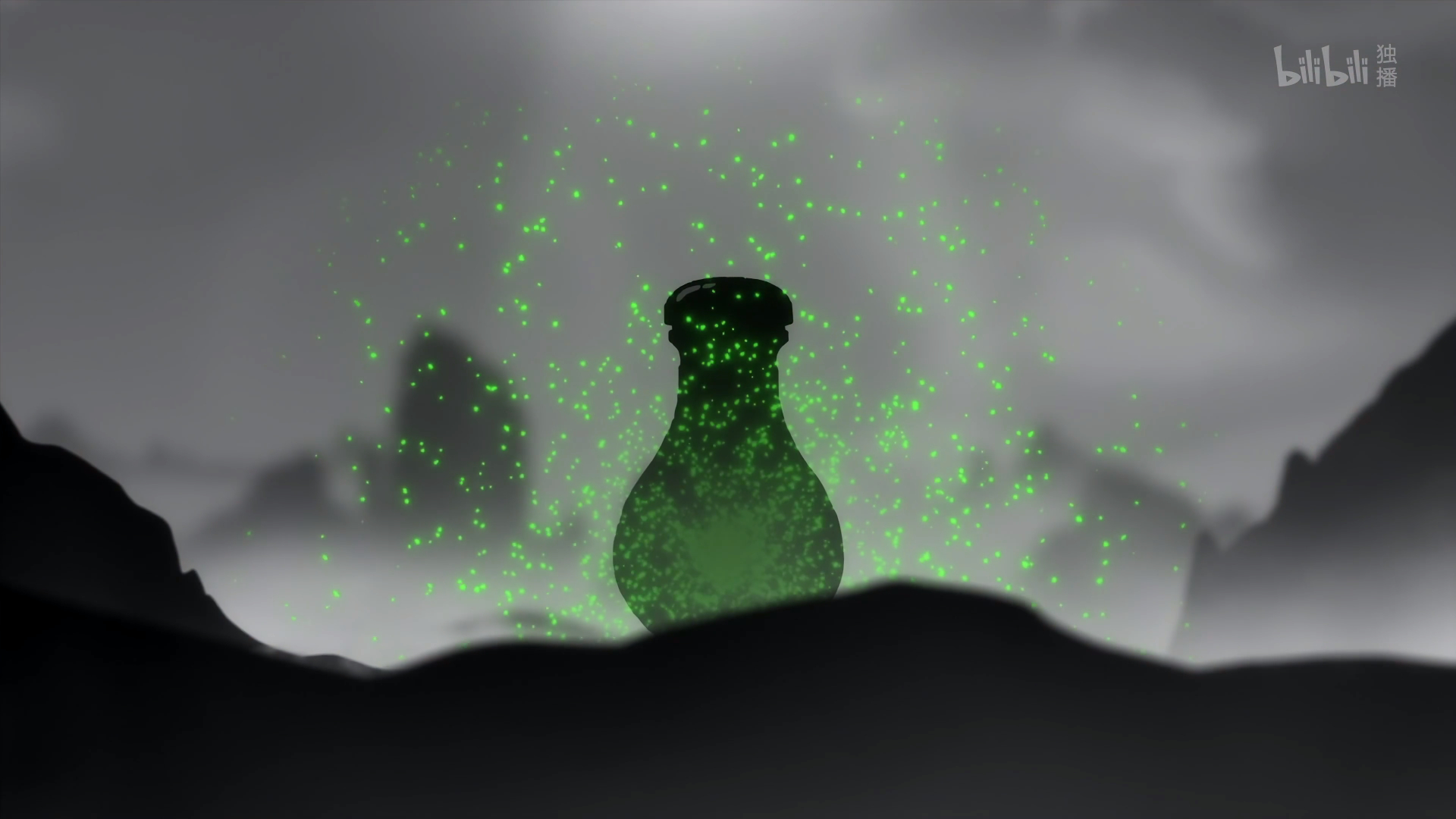
小绿瓶,又称掌天瓶,是韩立修仙生涯中最重要的作弊器。这件来历不明的神秘宝物拥有一个近乎逆天的能力:催熟灵药。将灵药种子或幼苗放入瓶中,以绿色灵液浇灌,即可在极短时间内将灵药催熟至数十年乃至数百年的药龄。这一能力直接打破了修仙界最根本的资源约束——时间。
在修仙界的经济逻辑中,灵药的价值与其药龄直接挂钩,而药龄的积累需要漫长的时间和适宜的灵气环境。一株百年灵药之所以珍贵,不仅因为其药效卓越,更因为它代表了百年时间的不可压缩成本。而掌天瓶恰恰压缩了这一成本,使韩立能够以极低的时间代价获取高龄灵药。从经济学角度看,这相当于韩立拥有了一台无限量产稀缺商品的印钞机。
对于筑基这一关键节点而言,掌天瓶的作用体现得尤为直接。韩立利用小瓶催熟筑基丹所需的各种灵药原材料,在相对较短的时间内积攒了足够的药材。这一过程并非毫无风险——他需要小心翼翼地隐藏小瓶的存在,避免引起任何人的注意。在修仙界,"匹夫无罪,怀璧其罪"绝非虚言,一旦小瓶的秘密暴露,等待韩立的不仅是被人夺宝,更可能是灭口。韩立对此有着清醒的认知,他从一开始就将小瓶视为绝对不可泄露的底牌,在使用时极尽谨慎。
值得深思的是,掌天瓶虽然是韩立崛起的核心外挂,但它并非万能钥匙。小瓶能催熟灵药,却无法替代修炼本身;它能提供突破所需的物质条件,却无法赋予修仙者突破所需的心境和领悟。韩立之所以能够成功筑基,除了小瓶提供的灵药保障外,更依赖于他自身的坚韧意志、谨慎性格和在关键时刻的果断决策。小瓶是条件,但韩立本人才是变量。
谷内资源与传承体系:中等宗门的资源分配逻辑
黄枫谷的资源体系可以分为三个层级:基础层、竞争层和核心层。基础层面向所有弟子,包括定期发放的灵石、低阶丹药和基础功法典籍。这一层级的资源虽然有限,但足以保证每一名弟子不至于完全停滞。竞争层面向有一定实力和潜力的弟子,包括中阶丹药、灵器以及进入灵药园等特殊区域的权限,获取这些资源需要通过任务积分或考核排名。核心层则仅面向极少数顶尖弟子和长老直传弟子,涉及高阶功法秘传、珍稀灵药以及元婴期长老的亲自指点。
这种三级分配体系的设计意图十分明确:以最低成本维持庞大的弟子基数(基础层),同时通过竞争机制筛选出值得投资的人才(竞争层),最终将有限的顶级资源集中在最有希望突破的精英身上(核心层)。这套逻辑在管理学中并无新意,但在修仙界的语境下却产生了一个独特的副作用——它极大地强化了弟子之间的竞争关系,甚至在同门之间制造了隐性的对立。
黄枫谷的传承体系以"长青功"为核心功法。长青功是一套木属性功法,修炼难度适中,适合大多数灵根配置的弟子。然而,正因为其"适合大多数"的特性,长青功在高阶领域的表现并不突出——它能帮助弟子稳步修炼到筑基期甚至结丹期,但想要以此功法突破元婴则难如登天。黄枫谷历代元婴老祖大多在结丹后另行修炼更高深的功法,长青功更多地扮演着"入门教材"的角色。
除了功法传承,黄枫谷还拥有一套相对完善的实践培养体系。宗门定期组织弟子外出历练,参与灵药采集、妖兽猎杀等实战任务。禁地试炼是这套培养体系中最高等级的环节,只有在日常任务中表现优异的弟子才有资格参加。这种"以战养战"的培养模式,在某种程度上弥补了黄枫谷在顶级资源上的不足——即便无法提供最好的灵药和功法,宗门至少能通过丰富的实战经验来提升弟子的综合战力。
韩立在黄枫谷的成长与离开:从无名小卒到破茧而出
韩立在黄枫谷的成长轨迹,是一条典型的"扮猪吃虎"路线。从入门时的四灵根废材,到悄然利用小绿瓶积累资源,再到最终完成筑基突破,他的每一步都走得极为隐蔽。黄枫谷的绝大多数弟子和长老对韩立的真实实力一无所知,在他们眼中,韩立不过是一个运气尚可、靠着宗门任务勉强维持修炼的普通弟子。
韩立在筑基过程中展现出的战略思维值得详细分析。他并未急于求成,而是花费大量时间进行准备。首先,他利用小瓶催熟各类灵药,在确保材料充足的前提下才开始寻求炼制筑基丹的途径。其次,他极为注重信息的收集——关于筑基的各种注意事项、成功率的影响因素、最佳的突破时机等,韩立都做了充分的功课。最后,在实际突破时,他选择了最为稳妥的方案,宁可多消耗一些资源也要最大程度地提高成功率。这种"不打无准备之仗"的行事风格,贯穿了韩立整个修仙生涯。
筑基成功后,韩立在黄枫谷的地位发生了质的变化。在天南修仙界,筑基期修士已经算得上有一定分量的角色,可以独立开府、接受更高级别的宗门任务,并且在宗门事务中拥有一定的话语权。然而,韩立深知黄枫谷这个平台的局限性——宗门能够提供给筑基期修士的资源和机会远远不能满足他的需求。更重要的是,随着修为的提升,他的一些特殊之处越来越难以隐藏,继续留在黄枫谷反而可能招来不必要的麻烦。
韩立最终选择离开黄枫谷,踏入更广阔的修仙世界。这一选择既是主动的战略决策,也是被动的环境倒逼。主动方面,韩立需要更多的资源和机缘来支撑进一步的修炼突破;被动方面,天南修仙界的局势日趋紧张,正魔两道的冲突不断升级,黄枫谷作为正道七派之一不可避免地被卷入其中。对于韩立这样一个信奉"实力为尊、自保为先"的务实修士而言,在宗门被绑上战车之前抽身而退,是最合理的选择。
回顾韩立在黄枫谷的整段经历,可以看到一个清晰的成长模型:外部条件的限制(四灵根、资源匮乏)迫使他发展出独特的生存策略(隐忍、谨慎、见机行事),而逆天机缘(小绿瓶)则为这套策略提供了物质基础。黄枫谷既是韩立的起点,也是他的试炼场——宗门没有给他多少直接的帮助,却在客观上提供了一个足够安全的环境让他完成最初的积累。从这个意义上说,韩立与黄枫谷的关系是一种微妙的互利共生:宗门为弟子提供庇护,弟子为宗门贡献战力,而当双方的需求不再匹配时,分道扬镳便成了最自然的结局。
这段黄枫谷岁月对韩立最深远的影响,或许不在于他学到了什么功法、获得了什么宝物,而在于他形成了一套完整的修仙世界观:不依赖任何人,不信任任何组织,一切以自身实力和利益为准绳。这套世界观在他日后漫长的修仙生涯中被反复验证,最终成为他从凡人一步步走向仙界的精神内核。
Yellow Maple Valley's Sect Background: One of the Seven Righteous Sects of Tiannan
Yellow Maple Valley (黄枫谷) was situated in the heartland of the Tiannan (天南, "Southern Sky") cultivation world and counted among the seven major sects of the righteous path. The sect was built atop a medium-grade spiritual vein, surrounded by encircling mountains that kept abundant spiritual energy contained -- a natural cultivation paradise. Compared to peer sects such as the Moon Concealment Sect (掩月宗) and the Falling Cloud Sect (落云宗), Yellow Maple Valley's overall strength was in the upper-middle range: it had Nascent Soul (元婴期) ancestors sitting in command and a relatively complete disciple training system, yet was constrained by its spiritual vein quality and historical accumulation, never quite breaking into the top tier of Tiannan's power hierarchy.
Cultural Context: In xianxia fiction, "sects" (宗门) are organized schools of cultivation, analogous to both martial arts schools and quasi-religious institutions. They control territory, resources, and spiritual veins (灵脉) -- natural concentrations of spiritual energy essential for cultivation. A sect's rank is largely determined by the quality of its spiritual vein and the cultivation level of its strongest members. The "righteous path" (正道) and "demonic path" (魔道) represent the major ideological and political divide in most xianxia settings.
Yellow Maple Valley's founding philosophy was notably pragmatic. Unlike some sects that pursued a single supreme technique, Yellow Maple Valley followed a path of "balanced development": pill refining, artifact crafting, formation arrays, and talismans all had practitioners, and while none of these specialties dominated Tiannan, the advantage was a complete, self-sustaining system. The strengths and weaknesses of this strategy were perfectly embodied in Han Li's (韩立) growth -- the sect provided a broad enough platform, but could not shower any single disciple with overwhelming resources. For the extraordinarily talented, Yellow Maple Valley was perhaps merely a stepping stone; but for someone like Han Li, who possessed mediocre aptitude yet secretly harbored hidden fortune, Yellow Maple Valley provided exactly enough freedom for him to quietly rise without drawing excessive attention.
The sect's organizational structure followed the typical hierarchical model. Below the Sect Master sat several elders, each overseeing different affairs. Outer disciples numbered in the thousands, while inner disciples were a select hundred or so. Promotion from outer to inner gate required reaching a certain level within the Qi Condensation stage (炼气期), and obtaining further resource support from the inner gate required demonstrating sufficient potential in various assessments and missions. Though this system appeared fair, it contained an implicit Matthew effect -- disciples with better aptitude more easily obtained resources, cultivated faster, and gained even more resources, while those with average aptitude easily fell into a vicious cycle.
Rules and Access to the Forbidden Zone Trial: Selection Through Life and Death
The Yellow Maple Valley forbidden zone was not a simple cultivation ground but a trial secret realm carefully constructed by the sect over thousands of years. The forbidden zone's core function was screening -- using extreme environments and real threats to identify those disciples truly capable of going further on the cultivation path. To ordinary mortals, this life-or-death selection mechanism might seem excessively cruel, but within the logic of the cultivation world, it carried cold rationality: the path of cultivation is itself a defiance of heaven's will; if one cannot pass a trial set by one's own sect, how can one face the even more dangerous challenges of the outside world?
The forbidden zone's access requirements had clear hard thresholds. First, disciples needed to have reached at least the middle stage of Qi Condensation -- the most basic survival guarantee. Second, participants required recommendation from their affiliated elder or had to meet specific standards in sect assessments. Notably, the forbidden zone trial was not mandatory -- the sect allowed disciples to choose a stable cultivation path, but that also meant voluntarily forfeiting the chance to obtain rare resources and rapid advancement. This "voluntary but with enormous stakes" design was itself a test of character: it forced every disciple to choose between comfort and risk, and this very ability to choose was one of a cultivator's most important qualities.
The specific rules varied with each opening, but the core framework remained consistent. Participants were sent into the forbidden zone and had to complete specific objectives within a time limit -- usually involving gathering rare spiritual herbs, slaying specific demon beasts, or finding hidden inheritances. The interior was divided into danger zones by area; the outer regions were suitable for lower-level Qi Condensation disciples, while deeper areas grew increasingly dangerous but offered richer opportunities. The sect did not prohibit conflict among participants but explicitly forbade killing fellow sect members -- a seemingly merciful rule that was actually a pragmatic measure to prevent excessive attrition of the sect's talent pool.
Han Li's Entry and Early Cultivation: Patience Amid Mediocrity
When Han Li was brought into Yellow Maple Valley by Doctor Mo (墨大夫), virtually no one had high expectations for this boy from a poor farming family. His spiritual root aptitude was assessed as utterly ordinary -- a four-element spiritual root (四灵根), the worst possible tier in the cultivation world's evaluation system. Four-element roots meant that cultivating any single-element technique would be doubly inefficient, with spiritual energy absorption and conversion rates far below those of dual-root or single-root disciples. In Yellow Maple Valley's history, it was already rare for a four-element root disciple to reach the late stage of Qi Condensation; Foundation Establishment (筑基期) was nearly inconceivable.
Cultural Context: In xianxia, "spiritual roots" (灵根) are an innate quality determining a cultivator's talent and compatibility with different elements (metal, wood, water, fire, earth). Fewer elements generally means higher aptitude -- a single-element root is ideal, while a four or five-element root is considered the worst, as spiritual energy is diluted across too many elements. This concept reflects a core theme of the genre: the tension between innate talent and personal effort.
However, the circumstances of Han Li's admission were themselves unusual. Doctor Mo did not take him on as a disciple out of appreciation for his talent, but for other purposes -- he needed a sufficiently ordinary, unremarkable test subject for dangerous experimental techniques and pills. Han Li unwittingly became Doctor Mo's nominal disciple and began his cultivation career at Yellow Maple Valley. This early experience established the most core trait of Han Li's character: wariness of human nature and a clear-eyed understanding of his own interests. He understood very early that in the cultivation world, the master-disciple relationship did not always mean the transmission of knowledge and skill; sometimes it was merely another form of exploitation.
Han Li's early cultivation was grueling and monotonous. Limited by his aptitude, his cultivation speed was extremely slow. When fellow disciples who entered at the same time had already reached the fourth or fifth level of Qi Condensation, he was still languishing at the second or third level. Yellow Maple Valley's resource allocation for outer disciples was limited; the monthly distribution of spirit stones and pills was barely enough to maintain the most basic cultivation, forcing Han Li to earn extra resources by completing various sect missions. This experience instilled in him the habit of careful budgeting and never wasting anything -- later, he became known in the cultivation world for his "frugality," maintaining this humble approach born from humble origins even after becoming a great Nascent Soul cultivator.
But it was precisely during this period when no one held any hopes for him that Han Li quietly discovered the key to changing his destiny -- the small green bottle.
Obtaining and Refining the Foundation Establishment Pill: The Hard Currency of the Cultivation World
In the Tiannan cultivation world, the Foundation Establishment Pill (筑基丹) was the critical supplementary spiritual medicine for breaking through from Qi Condensation to Foundation Establishment. Without a Foundation Establishment Pill, even a dual-root disciple attempting Foundation Establishment on their own faced a nine-in-ten chance of death; for a four-root disciple like Han Li, Foundation Establishment without the pill was absolutely impossible. Thus, the Foundation Establishment Pill occupied an extraordinarily special position in Tiannan's entire cultivation economy -- it was the ultimate aspiration of every Qi Condensation disciple, and the core lever through which major sects controlled talent advancement.
The pill's refinement was extremely difficult, requiring spiritual herbs that were both rare and demanding. The primary ingredients needed several types of spiritual grasses over a hundred years old; the auxiliary ingredients were similarly costly; the total material cost at market prices would bankrupt an ordinary Qi Condensation cultivator. More critically, the refining process required at least a Foundation Establishment-level pill master to control the heat, and even experienced pill masters achieved only a thirty to forty percent success rate. This meant each Foundation Establishment Pill's actual cost far exceeded the value of its materials alone.
As one of the seven righteous sects, Yellow Maple Valley could provide its disciples only an extremely limited number of Foundation Establishment Pills. Typically, only a small quota was allocated every few decades, with competition so fierce it defies imagination. Distribution criteria were nominally based on "merit plus aptitude," but in practice inevitably became entangled with the power dynamics and political maneuvering among various elders. For disciples like Han Li, who had neither backing nor outstanding aptitude, obtaining a Foundation Establishment Pill through normal channels was a nearly impossible task.
It was precisely this systemic barrier that forced Han Li to seek alternative paths -- and the small green bottle in his possession offered exactly the possibility of breaking through this barrier.
The Critical Role of the Heaven-Measuring Bottle: The Ultimate Cheat Code for Defying Destiny
The small green bottle, also known as the Heaven-Measuring Bottle (掌天瓶), was the single most important external aid in Han Li's cultivation career. This mysterious artifact of unknown origin possessed a nearly heaven-defying ability: accelerating the maturation of spiritual herbs. By placing spiritual herb seeds or seedlings inside the bottle and irrigating them with its green spiritual liquid, one could mature the herbs to decades or even centuries of age in an extremely short time. This ability directly shattered the cultivation world's most fundamental resource constraint -- time.
Cultural Context: The "golden finger" (金手指) or cheat-like advantage is a staple of xianxia fiction, where protagonists typically possess some unique item or ability that compensates for their otherwise unremarkable aptitude. The Heaven-Measuring Bottle is Han Li's signature "golden finger," but the novel is notable for how restrained and pragmatic Han Li is in using it -- reflecting the story's themes of caution and self-preservation.
In the economic logic of the cultivation world, a spiritual herb's value was directly tied to its age, and age accumulation required lengthy periods of time and suitable spiritual energy environments. A hundred-year-old spiritual herb was precious not merely because of its efficacy, but because it represented the incompressible cost of a hundred years of time. The Heaven-Measuring Bottle compressed precisely this cost, allowing Han Li to obtain aged spiritual herbs at extremely low time expenditure. From an economics perspective, this was equivalent to Han Li possessing an unlimited-production printing press for scarce commodities.
For the crucial juncture of Foundation Establishment, the Heaven-Measuring Bottle's role was especially direct. Han Li used the small bottle to accelerate the maturation of the various raw spiritual herb ingredients needed for the Foundation Establishment Pill, accumulating sufficient materials in a relatively short time. This process was not without risk -- he needed to meticulously conceal the bottle's existence, avoiding any attention whatsoever. In the cultivation world, the saying "a commoner's possession of jade invites disaster" (匹夫无罪,怀璧其罪) was no mere proverb; once the bottle's secret was exposed, what awaited Han Li was not merely having his treasure stolen but likely being silenced permanently. Han Li had a clear-eyed understanding of this, treating the bottle from the very beginning as an absolute secret, exercising extreme caution in its use.
It is worth reflecting that while the Heaven-Measuring Bottle was the core external advantage behind Han Li's rise, it was not a skeleton key. The bottle could accelerate herb growth but could not replace the act of cultivation itself; it could provide the material conditions for breakthrough but could not grant a cultivator the mindset and insight needed for breakthrough. Han Li's successful Foundation Establishment depended not only on the herbal guarantee provided by the bottle but also on his own tenacious willpower, cautious character, and decisive action at critical moments. The bottle was the condition, but Han Li himself was the variable.
Intra-Valley Resources and Inheritance System: The Resource Allocation Logic of a Mid-Tier Sect
Yellow Maple Valley's resource system could be divided into three tiers: the Base Tier, the Competitive Tier, and the Core Tier. The Base Tier served all disciples, including periodic distributions of spirit stones, low-grade pills, and basic technique manuals. Though limited, these resources ensured no disciple was completely stagnant. The Competitive Tier served disciples of demonstrated ability and potential, including mid-grade pills, spirit instruments, and access to special areas like the spiritual herb garden; acquiring these required mission points or assessment rankings. The Core Tier was reserved for an extremely select few -- top disciples and direct-line disciples of elders -- involving high-grade secret technique transmissions, rare spiritual medicines, and personal guidance from Nascent Soul elders.
This three-tier distribution system had clear design intent: maintain a large disciple base at minimal cost (Base Tier), use competitive mechanisms to identify talent worth investing in (Competitive Tier), and concentrate limited top-tier resources on the elites most likely to achieve breakthroughs (Core Tier). This logic is unremarkable in management theory, but in the cultivation world context it produced a unique side effect -- it greatly intensified competitive dynamics between disciples, even creating implicit antagonism among sect-mates.
Yellow Maple Valley's inheritance system centered on the "Evergreen Art" (长青功) as its core technique. The Evergreen Art was a wood-attribute technique of moderate cultivation difficulty, suitable for most spiritual root configurations. However, precisely because of its "suitable for most" nature, the Evergreen Art's performance in higher realms was unremarkable -- it could help disciples steadily cultivate to Foundation Establishment or even Core Formation, but attempting Nascent Soul breakthrough with this technique was extraordinarily difficult. Most of Yellow Maple Valley's historical Nascent Soul ancestors switched to more profound techniques after Core Formation, with the Evergreen Art serving more as an "introductory textbook."
Beyond technique inheritance, Yellow Maple Valley maintained a relatively complete practical training system. The sect regularly organized disciples for external missions including spiritual herb gathering and demon beast hunts. The forbidden zone trial was the highest-tier component of this system, with only disciples who excelled in routine missions qualifying to participate. This "learning through combat" approach somewhat compensated for Yellow Maple Valley's deficiency in top-tier resources -- even if the sect could not provide the best herbs and techniques, it could at least enhance disciples' comprehensive combat ability through rich practical experience.
Han Li's Growth and Departure from Yellow Maple Valley: From Nobody to Breaking Free
Han Li's growth trajectory within Yellow Maple Valley was a textbook case of "playing the pig to eat the tiger." From a four-root reject upon entry, to quietly accumulating resources via the small green bottle, to ultimately achieving Foundation Establishment breakthrough, every step was taken with extreme concealment. The vast majority of Yellow Maple Valley's disciples and elders were completely unaware of Han Li's true strength; in their eyes, he was merely an ordinary disciple of decent luck who barely sustained his cultivation through sect missions.
Han Li's strategic thinking during his Foundation Establishment process deserves detailed analysis. He did not rush but spent considerable time in preparation. First, he used the bottle to mature various spiritual herbs, ensuring materials were adequate before even beginning to seek paths for refining the Foundation Establishment Pill. Second, he placed enormous emphasis on information gathering -- all manner of considerations regarding Foundation Establishment, factors affecting success rates, optimal timing for breakthrough -- Han Li did his homework thoroughly on all of these. Finally, during the actual breakthrough, he chose the most conservative approach, preferring to expend extra resources to maximize his success rate. This "never fight an unprepared battle" approach permeated Han Li's entire cultivation career.
After successful Foundation Establishment, Han Li's position within Yellow Maple Valley underwent a qualitative shift. In the Tiannan cultivation world, a Foundation Establishment cultivator was already a figure of some significance, able to establish an independent residence, accept higher-level sect missions, and possess a certain voice in sect affairs. However, Han Li knew well the limitations of Yellow Maple Valley as a platform -- the resources and opportunities the sect could provide a Foundation Establishment cultivator fell far short of his needs. More importantly, as his cultivation advanced, certain extraordinary aspects about him became increasingly difficult to conceal, and remaining at Yellow Maple Valley might actually invite unnecessary trouble.
Han Li ultimately chose to leave Yellow Maple Valley and step into the broader cultivation world. This choice was both an active strategic decision and a passive response to environmental pressures. On the active side, Han Li needed more resources and opportunities to support further cultivation breakthroughs; on the passive side, the Tiannan cultivation world's political situation was growing increasingly tense, with conflicts between the righteous and demonic paths constantly escalating, and Yellow Maple Valley, as one of the seven righteous sects, was inevitably being drawn in. For a pragmatic cultivator like Han Li who believed in "strength above all, self-preservation first," withdrawing before the sect was tied to a war chariot was the most rational choice.
Looking back at Han Li's entire experience at Yellow Maple Valley, a clear growth model emerges: external limitations (four-element root, resource scarcity) forced him to develop unique survival strategies (patience, caution, seizing opportunities), while a heaven-defying fortune (the small green bottle) provided the material foundation for those strategies. Yellow Maple Valley was both Han Li's starting point and his proving ground -- the sect gave him little direct help, yet objectively provided a sufficiently safe environment for him to complete his initial accumulation. In this sense, Han Li's relationship with Yellow Maple Valley was one of subtle symbiosis: the sect provided shelter to its disciples, disciples contributed combat power to the sect, and when the needs of both no longer aligned, parting ways was the most natural outcome.
The deepest and most lasting impact of those Yellow Maple Valley years on Han Li was perhaps not any technique learned or treasure obtained, but the complete cultivation worldview he formed: depend on no one, trust no organization, measure everything by one's own strength and interests. This worldview was repeatedly validated throughout his long cultivation career, ultimately becoming the spiritual core that carried him step by step from mortal to immortal.