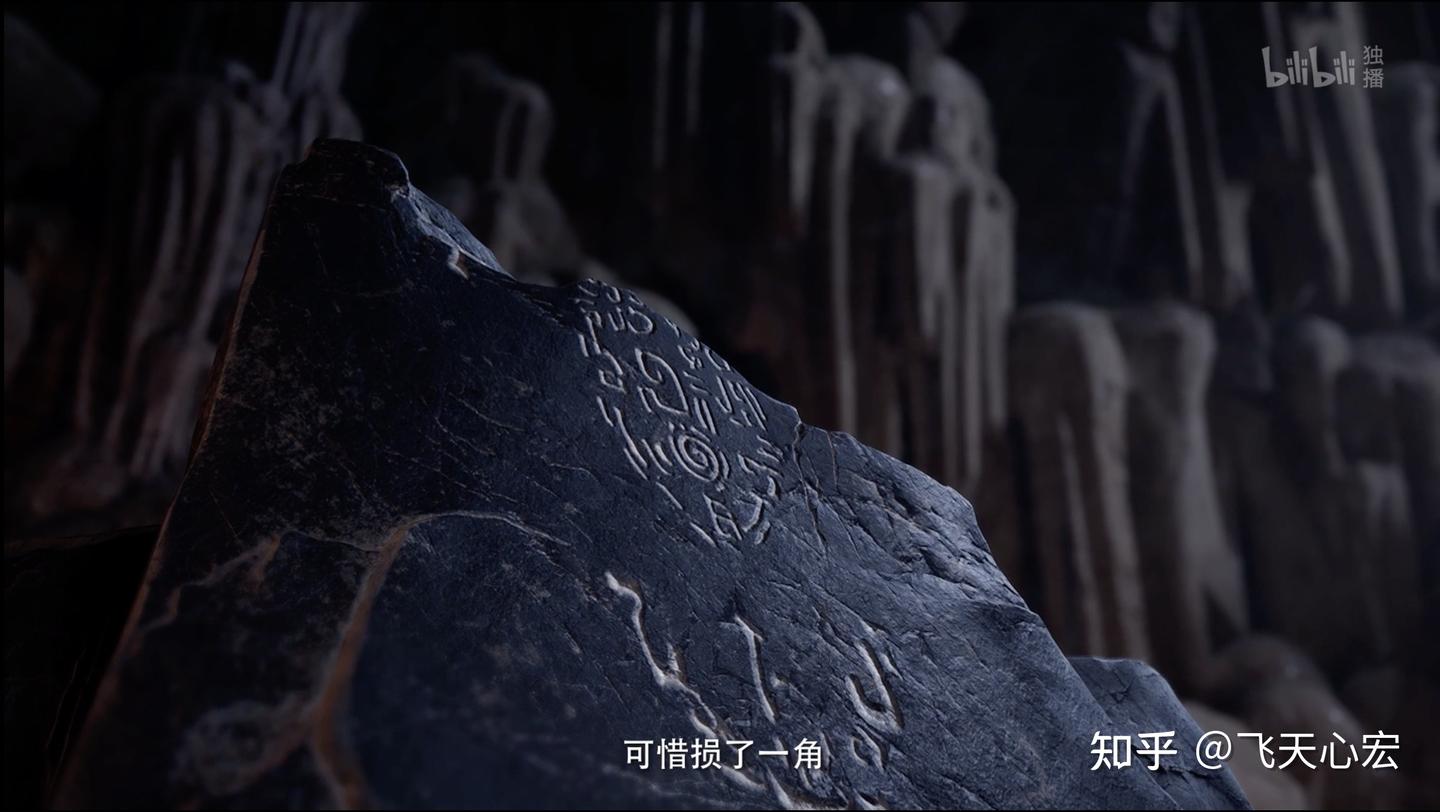
苍坤上人的身份背景与修为境界
苍坤上人是五千年前名震天南修仙界的一代狂修,以散修之身力压正道与魔道两大阵营,堪称天南修仙界数千年来最具传奇色彩的人物之一。其修为达到化神初期巅峰,在当时的人界已属于金字塔尖的绝顶存在。
苍坤上人修炼的核心功法为望月诀,这是一门极为高深的功法,与寻常修士所修炼的功法截然不同。他不仅将望月诀修炼至极致,更凭借自身对天地法则的深刻理解,自创了名为**"万尺一线"**的独门遁术。此遁术一旦施展,遁速之快令元婴期修士望尘莫及,即便是同阶强者也难以追踪其行踪。万尺一线后来被其后裔南陇侯部分继承,成为南陇侯在天南修仙界立足的重要倚仗之一。
苍坤上人最为人称道的,是他以一己之力对抗正魔两道的壮举。在那个强者辈出的年代,苍坤上人凭借化神期的恐怖修为和诡异莫测的手段,令正魔两道的元婴期强者们束手无策。最终,正魔两道不得不联手围攻,才将苍坤上人重创。这段往事在天南修仙界流传了数千年,至今仍被后辈修士津津乐道。
此外,苍坤上人还修炼了一种可以感应空间裂缝的罕见神通。这种神通在人界极为稀有,能够让修士察觉到常人无法感知的空间波动,对于寻找秘境入口和空间节点有着不可替代的作用。
遗迹的形成原因
苍坤上人被正魔两道联手重创后,并未就此陨落。凭借万尺一线的绝伦遁速和化神期的深厚底蕴,他成功逃脱了围杀。然而重伤之下,苍坤上人深知自己大限将至,于是在慕兰草原的某处隐秘之地开辟了一处洞府,将毕生所学与珍藏的宝物尽数封存其中。
这处洞府并非简单的藏宝之地,而是苍坤上人以化神期修为精心布置的一方秘境。他在洞府外围设下了重重禁制,意图将自己的传承留给有缘之人。洞府的选址颇为考究,位于慕兰草原深处,远离天南修仙界正魔两道的势力范围,使得这处遗迹在此后数千年间一直未被发现。
苍坤上人在布置完洞府后,又因感应到坠魔谷内存在空间裂缝,便孤身前往探索。然而此行成为了他最后的旅程——苍坤上人在坠魔谷深处遭遇了血焰分魂,最终被其吞噬,就此殒命。一代天南至强者,以如此方式落幕,不禁令人扼腕叹息。
苍坤上人虽然身陨,但他在慕兰草原留下的洞府遗迹却完好保存了数千年,成为后世修士趋之若鹜的宝地。
遗迹内部的结构与禁制
苍坤上人洞府最令人生畏的,便是其外围布设的太妙神禁。太妙神禁位列上古十大古阵之一,是远古时期由大能修士所创的顶级阵法。此阵法的特殊之处在于,它并非以灵力为核心驱动,而是以神识之力为根基。寻常的破阵手段对太妙神禁完全无效,即便是元婴后期的强者以蛮力强攻,也无法撼动分毫。
太妙神禁的破解之法极为苛刻:需要八位神识强大的修士同时施展神识化形神通,以八种不同的神识形态协同运作,方能瓦解阵法的核心节点。这一条件在修仙界极难满足,因为神识化形本身就是一种高阶神通,并非每位元婴期修士都能掌握;而要凑齐八位同时精通此术的修士,更是难上加难。这也是苍坤上人洞府在五千年间始终未被攻破的根本原因。
洞府内部的结构据推测应包含多重空间,以苍坤上人化神期的修为,完全有能力在洞府内部开辟独立的小型空间,用以分别存放功法、宝物和丹药等物资。每一层空间之间可能还设有额外的禁制和考验,以进一步筛选闯入者的实力与心性。
传承试炼的规则与考验
苍坤上人洞府的传承试炼,首先便是太妙神禁这一道天然屏障。能够组织起八位神识化形修士的人,本身就需要极高的声望和人脉,这从侧面筛选了探宝者的层次。
南陇侯作为苍坤上人的后裔,掌握了部分关于洞府的线索和破解太妙神禁的方法。他为此精心筹备,秘密邀请了多位元婴期强者参与探宝,其中包括韩立、鬼灵门的王天古、云长老等天南修仙界的顶尖人物。南陇侯选择这些修士的标准,正是其神识强度是否足以施展神识化形。
进入洞府后,探宝者需要面对的不仅是禁制的考验,更是来自同伴的威胁。在巨大利益面前,修仙者之间的合作往往脆弱不堪。苍坤上人是否有意设置这种"人心试炼"不得而知,但客观上,洞府内部的争夺往往比禁制本身更加凶险。这也是凡人修仙传一贯的叙事逻辑——修仙路上最大的敌人永远是人心。
关键宝物与功法传承
苍坤上人洞府中封存的宝物,件件都是修仙界罕见的至宝,足以令任何元婴期修士为之疯狂:
望月诀功法玉简:以淡蓝色玉简记载,内含苍坤上人毕生修炼望月诀的心得与感悟,以及数种独创的神通秘术。对于修炼相关功法的修士而言,这份传承的价值无可估量。
两仪环(阴环):两仪环是上古时期由玄黄老人炼制的古宝,分为阴环和阳环两部分。阴环由天外陨铁炼制而成,持有阴环的修士可以不惧北极元光的侵蚀,这在特定场景下是保命的关键。两仪环阴阳合一后威力更是倍增,阳环则可操纵元光攻敌。苍坤上人洞府中藏有的是阴环(一说为阳环),另一环则流落在外。
紫铖兜:这是一件源自蛮荒时期的顶阶古宝,外表呈层层叠叠的紫色丝网状,拥有极其惊人的防御神通。在修仙界中,攻击型法宝常见,但顶阶防御法宝极为稀少,紫铖兜的价值由此可见一斑。
碧鸠毒:装在绿色小瓷瓶中,乃是上古十绝毒之一。十绝毒是修仙界公认的十种最致命毒物,每一种都足以威胁元婴期修士的性命。碧鸠毒作为十绝毒之一,其毒性之烈可想而知。
除上述宝物外,洞府中可能还存有苍坤上人收集的各类灵药、材料和其他辅助修炼之物。以一位化神期强者五千年的积累,其收藏之丰富绝非常人所能想象。
韩立与此遗迹的交集
韩立参与苍坤上人洞府探宝,是在其元婴期阶段。彼时韩立已是天南修仙界的顶尖强者之一,神识强度更是远超同阶修士,这正是南陇侯邀请他参与的主要原因。
在探宝过程中,韩立凭借其一贯的谨慎性格和超强的临场应变能力,成功从洞府中获取了大量宝物。据记载,韩立在苍坤副本中狂揽九件宝物,收获之丰在所有参与者中首屈一指。其中淡蓝色功法玉简、两仪环、紫铖兜和碧鸠毒等核心宝物均被韩立收入囊中。
两仪环对韩立后续的修炼之路产生了深远影响。韩立后来在其他机缘中获得了两仪环的另一半,阴阳合一后的两仪环成为他手中的一件重要法宝。紫铖兜的防御之能更是在后续多次生死大战中发挥了关键作用,数度帮助韩立化险为夷。
值得一提的是,韩立在苍坤上人洞府中的表现,充分体现了他"闷声发大财"的行事风格。在众多元婴期修士明争暗斗之际,韩立不动声色地获取了最多的好处,这与他在乱星海、天南等地的一贯作风如出一辙。
对后续剧情的影响与伏笔
苍坤上人遗迹副本在凡人修仙传的整体叙事中承担了多重作用:
实力提升的关键节点:韩立从洞府中获得的宝物,极大地充实了他的底牌储备。两仪环、紫铖兜等古宝在后续的坠魔谷之行、天南大战乃至进入灵界后都发挥了不可忽视的作用。可以说,苍坤洞府是韩立元婴期最重要的机缘之一。
南陇侯命运线的延伸:南陇侯作为苍坤上人后裔,组织探宝本是为了获取先祖遗产、提升自身实力。然而命运弄人,南陇侯后来在坠魔谷中遭遇古魔,被夺舍吞噬,沦为古魔的傀儡,最终走向了与苍坤上人类似的悲剧结局。祖孙二人一个被血焰分魂吞噬,一个被古魔夺舍,这种命运的轮回构成了极具讽刺意味的叙事呼应。
坠魔谷伏笔:苍坤上人正是因为感应到坠魔谷的空间裂缝才前往探索,最终身陨。这为后续韩立等人进入坠魔谷的情节埋下了伏笔,也暗示了坠魔谷内隐藏的危险远超想象。苍坤上人以化神期修为尚且殒命于此,后来者自然更需万分小心。
修仙世界观的深化:苍坤上人的故事完整展现了凡人修仙传世界中强者的典型命运——即便强如化神期修士,也难逃天命的捉弄。他力压群雄却被围攻重创,留下传承却最终身陨异域,后裔寻宝却反遭灭顶之灾。这种"天道无常"的主题贯穿了整部小说,苍坤上人的经历正是其中最具代表性的缩影之一。
从宏观角度来看,苍坤上人遗迹副本是韩立修仙之路上的一块重要基石。它不仅为韩立提供了实质性的战力提升,更通过南陇侯等人的命运走向,再次强调了修仙路上的残酷与无常——这也正是"凡人修仙"这一主题最深层的内核所在。
The Identity and Cultivation Realm of Ancestor Cang Kun
Ancestor Cang Kun (苍坤上人) was a legendary rogue cultivator who dominated the Tiannan (天南, "Southern Sky") cultivation world five thousand years before Han Li's (韩立) era. As an unaffiliated cultivator, he single-handedly suppressed both the righteous and demonic factions -- a feat that made him one of the most legendary figures in Tiannan's millennia-long history. His cultivation had reached the early-stage peak of the Deity Transformation realm (化神期), placing him at the absolute pinnacle of power in the mortal world.
Cultural Context: In xianxia fiction, the cultivation hierarchy typically progresses through stages such as Qi Condensation, Foundation Establishment, Core Formation, Nascent Soul, Deity Transformation, and beyond. Each stage represents an exponential leap in power. A "rogue cultivator" (散修) is one who practices independently without sect affiliation -- a notoriously difficult path, as sects provide resources, protection, and guidance.
Ancestor Cang Kun's core cultivation technique was the Moongazing Art (望月诀), an extraordinarily profound method fundamentally different from those practiced by ordinary cultivators. Not only did he cultivate the Moongazing Art to its utmost limit, but he also drew upon his deep understanding of the laws of heaven and earth to create a unique movement technique called "Ten Thousand Feet in One Line" (万尺一线). Once unleashed, this technique's speed left Nascent Soul cultivators far behind -- even peers of the same cultivation stage could not track his movements. This technique was later partially inherited by his descendant Marquis Nanlong (南陇侯), becoming one of the key assets upon which Nanlong established his standing in the Tiannan cultivation world.
What earned Ancestor Cang Kun the greatest renown was his solo defiance against both the righteous and demonic paths. In an era brimming with powerful cultivators, Ancestor Cang Kun's terrifying Deity Transformation cultivation and unpredictable methods left the Nascent Soul experts of both factions completely helpless. Ultimately, the righteous and demonic paths had no choice but to join forces, and only through their combined assault were they able to severely wound him. This tale has been passed down in the Tiannan cultivation world for thousands of years and remains a favorite topic among later generations of cultivators.
Additionally, Ancestor Cang Kun cultivated a rare supernatural ability to sense spatial rifts. This power was exceedingly rare in the mortal world, allowing the cultivator to perceive spatial fluctuations invisible to ordinary people -- an irreplaceable asset for locating secret realm entrances and spatial nodes.
How the Ruins Came to Be
After being grievously wounded by the combined forces of the righteous and demonic paths, Ancestor Cang Kun did not perish on the spot. Relying on the peerless speed of "Ten Thousand Feet in One Line" and the deep reserves of his Deity Transformation cultivation, he successfully escaped the encirclement. However, knowing that his mortal injuries left him little time, he carved out a cave dwelling in a hidden location deep within the Moulan Prairie (慕兰草原), sealing within it his lifetime of learning and all his treasured possessions.
This cave dwelling was no mere treasure vault. It was a carefully arranged secret realm, constructed using the full power of a Deity Transformation cultivator. He laid down layer upon layer of restrictions around the exterior, intending to leave his legacy for a destined successor. The location was strategically chosen deep in the Moulan Prairie, far from the spheres of influence of both the righteous and demonic paths, which is why the ruins remained undiscovered for thousands of years.
After completing his cave dwelling, Ancestor Cang Kun sensed a spatial rift within the Devilfall Valley (坠魔谷) and ventured there alone to explore. This journey would prove to be his last -- deep within the Devilfall Valley, he encountered the Blood Flame Partition Soul (血焰分魂) and was consumed by it, meeting his end. That the supreme powerhouse of Tiannan should fall in such a manner is a cause for deep lamentation.
Though Ancestor Cang Kun perished, the cave dwelling he left behind in the Moulan Prairie remained perfectly preserved for thousands of years, becoming a coveted prize for later generations of cultivators.
Internal Structure and Restrictions of the Ruins
The most fearsome aspect of Ancestor Cang Kun's cave dwelling was the Tai Miao Divine Restriction (太妙神禁) guarding its exterior. Ranked among the Ten Great Ancient Formations (十大古阵) of antiquity, the Tai Miao Divine Restriction was a supreme formation created by powerful cultivators of the remote past. What made this formation unique was that it was not powered by spiritual energy, but rather operated on the foundation of divine sense (神识, spiritual consciousness). Conventional formation-breaking methods were completely ineffective against it, and even a late-stage Nascent Soul cultivator attacking with brute force could not budge it in the slightest.
The conditions for breaking the Tai Miao Divine Restriction were extraordinarily demanding: eight cultivators with powerful divine sense had to simultaneously execute the Divine Sense Materialization technique, coordinating eight different divine sense forms to dismantle the formation's core nodes. This condition was nearly impossible to satisfy in the cultivation world, since Divine Sense Materialization itself was an advanced technique that not every Nascent Soul cultivator could master; assembling eight cultivators all proficient in this art was harder still. This was the fundamental reason why Ancestor Cang Kun's cave dwelling remained unbreached for five thousand years.
The interior structure of the cave dwelling reportedly contained multiple spatial layers. With his Deity Transformation cultivation, Ancestor Cang Kun was fully capable of carving out independent sub-spaces within the dwelling to separately store techniques, treasures, and elixirs. Additional restrictions and trials likely existed between each layer, further screening intruders for both strength and character.
Rules and Challenges of the Inheritance Trial
The first barrier of Ancestor Cang Kun's inheritance trial was the Tai Miao Divine Restriction itself. Anyone capable of assembling eight Divine Sense Materialization cultivators already needed exceptional prestige and connections, which inherently filtered the caliber of treasure seekers.
Marquis Nanlong (南陇侯), as a descendant of Ancestor Cang Kun, possessed partial clues about the cave dwelling and the method for breaking the Tai Miao Divine Restriction. He prepared meticulously, secretly inviting multiple Nascent Soul experts to participate in the treasure hunt, including Han Li, Wang Tiangu (王天古) of the Ghost Spirit Sect (鬼灵门), Elder Yun (云长老), and other top figures of the Tiannan cultivation world. Nanlong's criterion for selecting these cultivators was precisely whether their divine sense was strong enough to execute Divine Sense Materialization.
After entering the cave dwelling, treasure seekers faced not only the challenges of the restrictions but also threats from their companions. In the face of enormous riches, cooperation between cultivators is often fragile at best. Whether Ancestor Cang Kun deliberately designed this "trial of the human heart" is unknown, but objectively, the struggles within the cave dwelling were often more dangerous than the restrictions themselves. This is a consistent narrative logic in A Record of a Mortal's Journey to Immortality -- on the path of cultivation, the greatest enemy is always the human heart.
Key Treasures and Technique Inheritances
The treasures sealed within Ancestor Cang Kun's cave dwelling were every one of them rare supreme treasures of the cultivation world, enough to drive any Nascent Soul cultivator mad with desire:
Moongazing Art Jade Slip: Recorded on a pale blue jade slip, containing Ancestor Cang Kun's lifetime of insights and reflections on cultivating the Moongazing Art, as well as several self-created supernatural techniques. For cultivators practicing related methods, the value of this inheritance was immeasurable.
Liangyi Ring (Yin Ring) (两仪环): The Liangyi Rings were ancient treasures refined by Ancestor Xuanhuang (玄黄老人) in antiquity, consisting of a Yin Ring and a Yang Ring. The Yin Ring was forged from extraterrestrial meteoric iron, and its holder could resist the erosion of the North Pole Primordial Light (北极元光) -- a life-saving advantage in certain scenarios. When the Yin and Yang rings were reunited, their power multiplied; the Yang Ring could manipulate the Primordial Light to attack enemies. Ancestor Cang Kun's cave dwelling contained the Yin Ring (some accounts say the Yang Ring), while the other ring had been scattered elsewhere.
Purple Silk Canopy (紫铖兜): A supreme ancient treasure from the Desolate Era, appearing as layer upon layer of purple silk mesh, possessing extraordinarily powerful defensive capabilities. In the cultivation world, offensive magical treasures are common, but top-tier defensive treasures are exceedingly rare, making the Purple Silk Canopy especially valuable.
Emerald Dove Poison (碧鸠毒): Stored in a small green porcelain bottle, this was one of the Ten Absolute Poisons (十绝毒) of antiquity. The Ten Absolute Poisons are universally recognized as the ten most lethal substances in the cultivation world, each capable of threatening the life of a Nascent Soul cultivator. As one of these ten, the Emerald Dove Poison's lethality speaks for itself.
Beyond these treasures, the cave dwelling likely contained various spiritual medicines, materials, and other cultivation aids collected by Ancestor Cang Kun. Given the five-thousand-year accumulation of a Deity Transformation powerhouse, the richness of his collection would be beyond ordinary imagination.
Han Li's Encounter with the Ruins
Han Li participated in the exploration of Ancestor Cang Kun's cave dwelling during his Nascent Soul stage. By this time, Han Li was already one of the top experts of the Tiannan cultivation world, and his divine sense far surpassed that of cultivators at the same level -- precisely the reason Marquis Nanlong invited him.
During the treasure hunt, Han Li relied on his characteristic caution and exceptional improvisational abilities to acquire a tremendous haul from the cave dwelling. According to records, Han Li swept up nine treasures in the Cang Kun dungeon, by far the greatest harvest among all participants. The pale blue technique jade slip, the Liangyi Ring, the Purple Silk Canopy, and the Emerald Dove Poison -- all these core treasures ended up in Han Li's possession.
The Liangyi Ring had a profound impact on Han Li's subsequent cultivation path. He later obtained the other half of the Liangyi Ring through separate fortunes; once reunited, the complete set became one of his important magical treasures. The defensive power of the Purple Silk Canopy played a critical role in multiple life-or-death battles that followed, saving Han Li from danger on numerous occasions.
It is worth noting that Han Li's performance in Ancestor Cang Kun's cave dwelling perfectly exemplified his signature style of "quietly making a fortune." While numerous Nascent Soul cultivators were locked in open and covert struggles, Han Li silently secured the greatest benefits -- entirely consistent with his approach in the Scattered Star Seas, Tiannan, and beyond.
Impact on Subsequent Plot and Foreshadowing
The Ancestor Cang Kun ruins dungeon served multiple narrative functions within the overall story of A Record of a Mortal's Journey to Immortality:
A Critical Node for Power Growth: The treasures Han Li obtained from the cave dwelling enormously bolstered his reserves of trump cards. Ancient treasures like the Liangyi Ring and Purple Silk Canopy played indispensable roles in the subsequent Devilfall Valley expedition, the great Tiannan war, and even after entering the Spirit Realm. The Cang Kun cave dwelling was arguably one of Han Li's most important opportunities during his Nascent Soul stage.
Extension of Marquis Nanlong's Fate Arc: As Ancestor Cang Kun's descendant, Marquis Nanlong organized the treasure hunt to obtain his ancestor's legacy and enhance his own strength. Yet fate is cruel -- Nanlong later encountered an Ancient Devil (古魔) in the Devilfall Valley, who seized his body and consumed his consciousness, reducing him to the devil's puppet and ultimately leading him to a tragic end mirroring that of Ancestor Cang Kun. Grandfather and descendant: one consumed by the Blood Flame Partition Soul, the other body-snatched by an Ancient Devil. This cyclical pattern of fate forms a deeply ironic narrative echo.
Foreshadowing the Devilfall Valley: Ancestor Cang Kun went to the Devilfall Valley specifically because he sensed the spatial rift there, only to meet his end. This foreshadowed the later plotline of Han Li and others entering the Devilfall Valley, while hinting that the dangers hidden within far exceeded imagination. If a Deity Transformation cultivator could perish there, those who followed would need to proceed with utmost caution.
Deepening the Cultivation Worldview: Ancestor Cang Kun's story provides a complete illustration of the typical fate of the powerful in the world of A Record of a Mortal's Journey to Immortality -- even a Deity Transformation cultivator cannot escape the machinations of destiny. He dominated all rivals yet was besieged and gravely wounded; he left behind his legacy yet ultimately perished in a foreign land; his descendant sought the treasure yet met catastrophe instead. This theme of "the Way of Heaven is inconstant" runs throughout the entire novel, and Ancestor Cang Kun's experience stands as one of its most representative examples.
From a macro perspective, the Ancestor Cang Kun ruins dungeon is a crucial stepping stone on Han Li's path of cultivation. It not only provided him with substantial combat power upgrades but also, through the fates of Marquis Nanlong and others, reinforced the cruelty and impermanence of the cultivation path -- the deepest core of the "mortal's journey to immortality" theme.